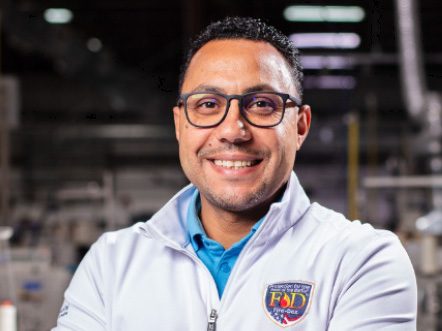

Managing Editor Rebecca Spayne speaks with Cyrille Kabbara, Founder and Chairman of Shark Robotics to discover all things robotics and automation in firefighting equipment
How do you see emerging technologies shaping the future of firefighting robotics? Are there any specific advancements you believe will significantly impact the field?
Instinctively, I would say that the artificial intelligence revolution is having a big impact on the use of firefighting robots. AI means greater autonomy for firefighting robots, enabling them to operate more independently and reducing the need for human intervention in dangerous situations. Additionally, the development of collaborative robotic systems, where multiple robots work together (swarm), can cover larger areas and perform more complex tasks, increasing efficiency and reducing time in operations.
What are the most significant challenges currently faced by robotics in the firefighting sector, and how can these be addressed?
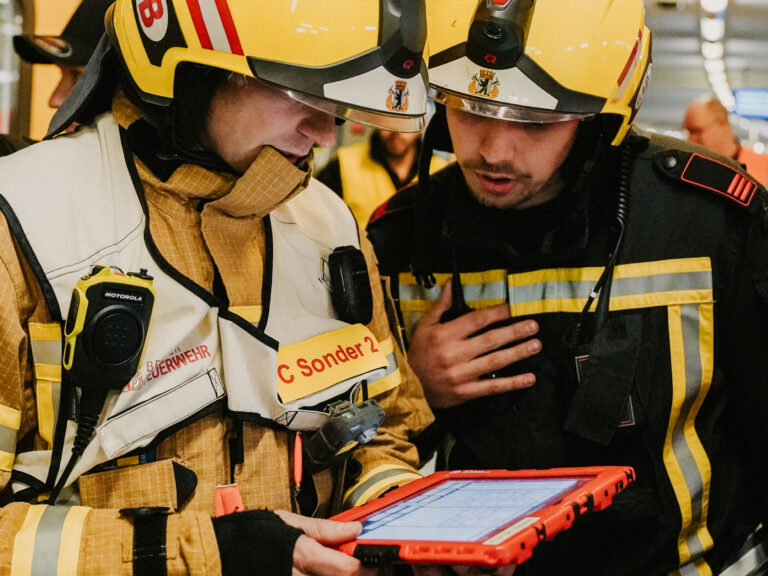
At Shark Robotics, we are acutely aware of the complexities involved in integrating robotics into the firefighting sector. A primary challenge we face is facilitating human-robot interaction. It’s imperative that human firefighters and robotic counterparts work in unison for effective and efficient operations. To this end, we’ve prioritised the development of user-friendly remote-control tablets. These intuitive devices are designed for ease of learning and use, ensuring that firefighters can quickly adapt to and effectively command our robotic units.
Another critical area is the unpredictable and hazardous nature of fire scenes. Each situation presents unique challenges such as navigating through smoke, overcoming debris, and traversing uneven terrain. These are substantial hurdles for any robotic system. Recognising this, our approach has been collaborative. We engage with various companies in a concerted research and development effort, striving to incorporate advanced optronics into our robots. Optronics is not just an add-on for us; it’s a fundamental component that elevates the capabilities of our robots, making them more adaptable and responsive in diverse and challenging environments.
Our focus is on creating firefighting robots that are not only technologically advanced but also intuitive and reliable partners to firefighters.
In what ways are artificial intelligence (AI) and machine learning (ML) contributing to the evolution of firefighting robots, particularly in terms of autonomous operations and decision-making in hazardous environments?
Artificial intelligence (AI) and machine learning (ML) are pivotal in how we approach firefighting, particularly in autonomous operations and decision-making within hazardous environments.
Firstly, the role of AI in navigation is groundbreaking. The last version of firefighting robots are equipped with an array of sensors and cameras, enabling them to generate real-time maps of their surroundings. AI algorithms interpret this data, identifying obstacles and calculating the most effective routes for intervention. Moreover, ML enable to be more efficient in operations, and the capacity of the robot to register, memorise and intervene with more efficiency with this adaptability to operate in diverse conditions.
Secondly, the ability of our robots to detect and analyse various hazards represents a significant advancement in firefighting technology. They are equipped to identify flames, smoke, and toxic gases, thanks to advanced image and sensor data processing capabilities. This feature allows them to distinguish between different fire types and environmental conditions, thereby greatly enhancing their situational awareness. Such precise analysis is instrumental in formulating effective firefighting strategies and in conducting thorough risk assessments.
The deployment of your Colossus during the Notre-Dame Cathedral fire in April 2019 was a landmark moment in the use of robotics for firefighting. Can you share insights into the key lessons learned from this operation?
Indeed, the deployment of the Colossus robot during the Notre Dame fire served as a global demonstration of how robots can be invaluable assets to firefighters. The key takeaway from this event is the practicality and effectiveness of human-robot collaboration in firefighting efforts. Far from being in opposition, this synergy significantly enhances our response capabilities.
Our firefighting robots, including the pioneering Colossus model, are actively assisting firefighters worldwide in a diverse array of scenarios. These include industrial fires, warehouse blazes, tunnel emergencies, car park incidents, and even fires at historical landmarks like Notre Dame.
Notably, the Colossus, which marked the inception of Shark Robotics’ journey, was first developed and sold to the Paris Fire Brigade. As of today, we have proudly expanded our reach, with over 120 robots operating in 16 different countries. This expansion underscores our commitment to advancing firefighting technology and safety on a global scale.
Wildfires pose unique challenges compared to urban fires. How can robotics be tailored to better address the complexities of wildfire detection, containment, and extinguishment?
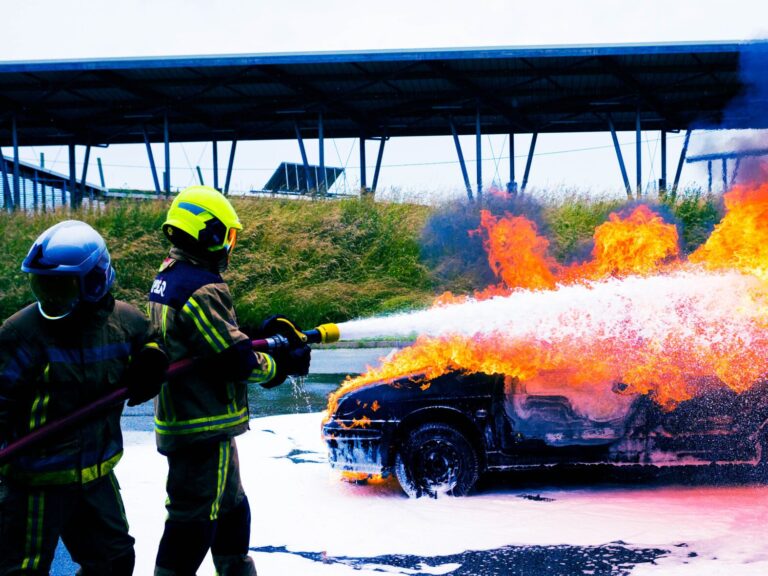
The key element in this strategy is the early detection of wildfires. This is achieved through a sophisticated integration of satellite imagery and ground-level surveillance technologies. By combining high-resolution satellite images with advanced camera systems on drones, we can maintain vigilant monitoring over vast forest areas. This dual-layered observation strategy enhances our ability to detect potential fire outbreaks at the earliest possible stage, allowing for quicker response and potentially mitigating the scale of the wildfires. Implementing firefighting robots offers an advancement in protecting homes, buildings, and critical infrastructure. When used in conjunction with drones and fire trucks, these robots enhance our firefighting arsenal, providing a more comprehensive and effective defense against fires. Their ability to operate continuously ensures ongoing surveillance and rapid response, filling critical gaps that traditional methods may leave.
To read more exclusive articles and latest news, see our last issue here.
Never miss a story… Follow us on:
International Fire Buyer
@Firebuyer
Fire Buyer
Media Contact
Rebecca Spayne Managing Editor, International Fire Buyer
Tel: +44 (0) 1622 823 920
Email: editor@firebuyer.com