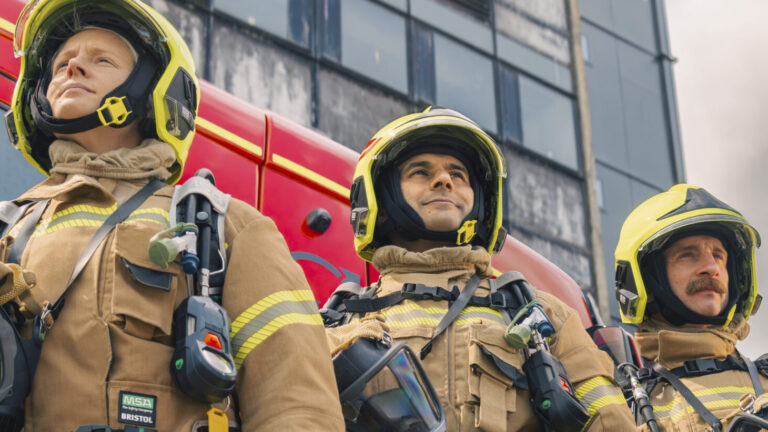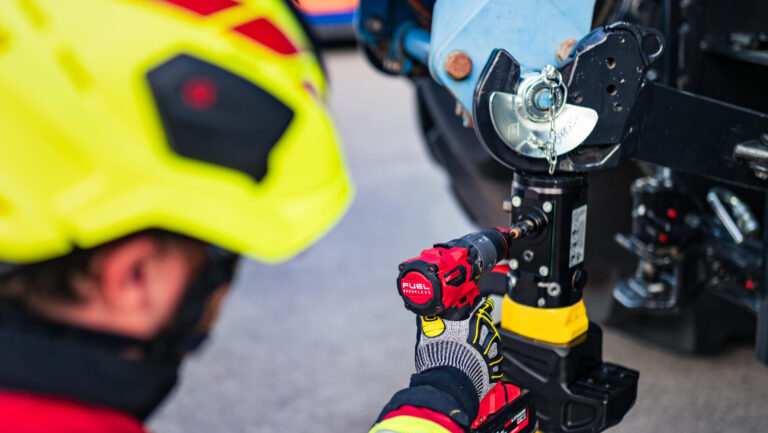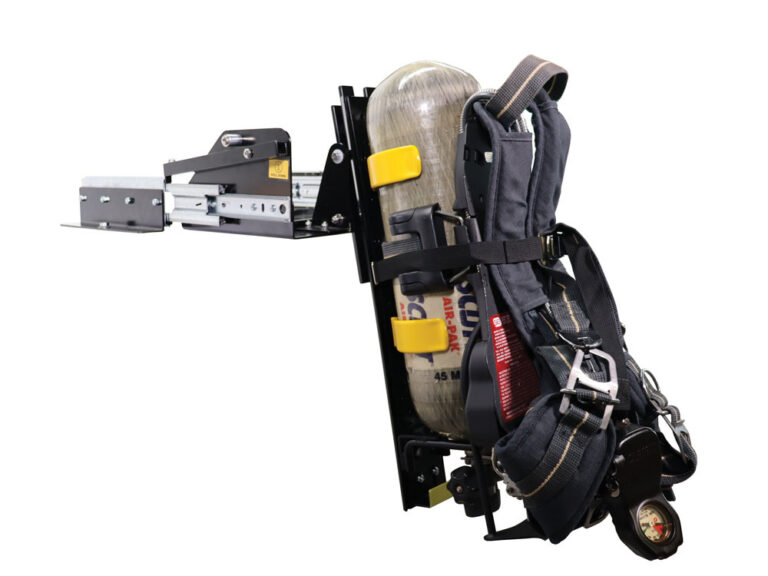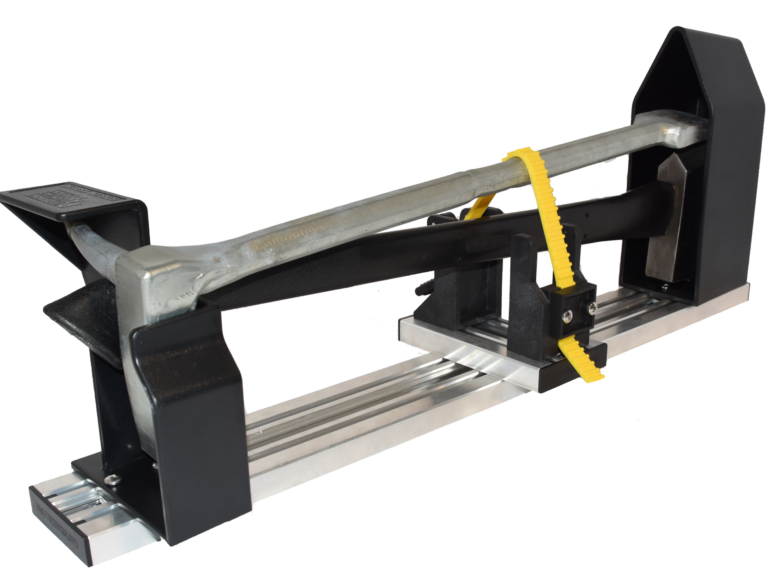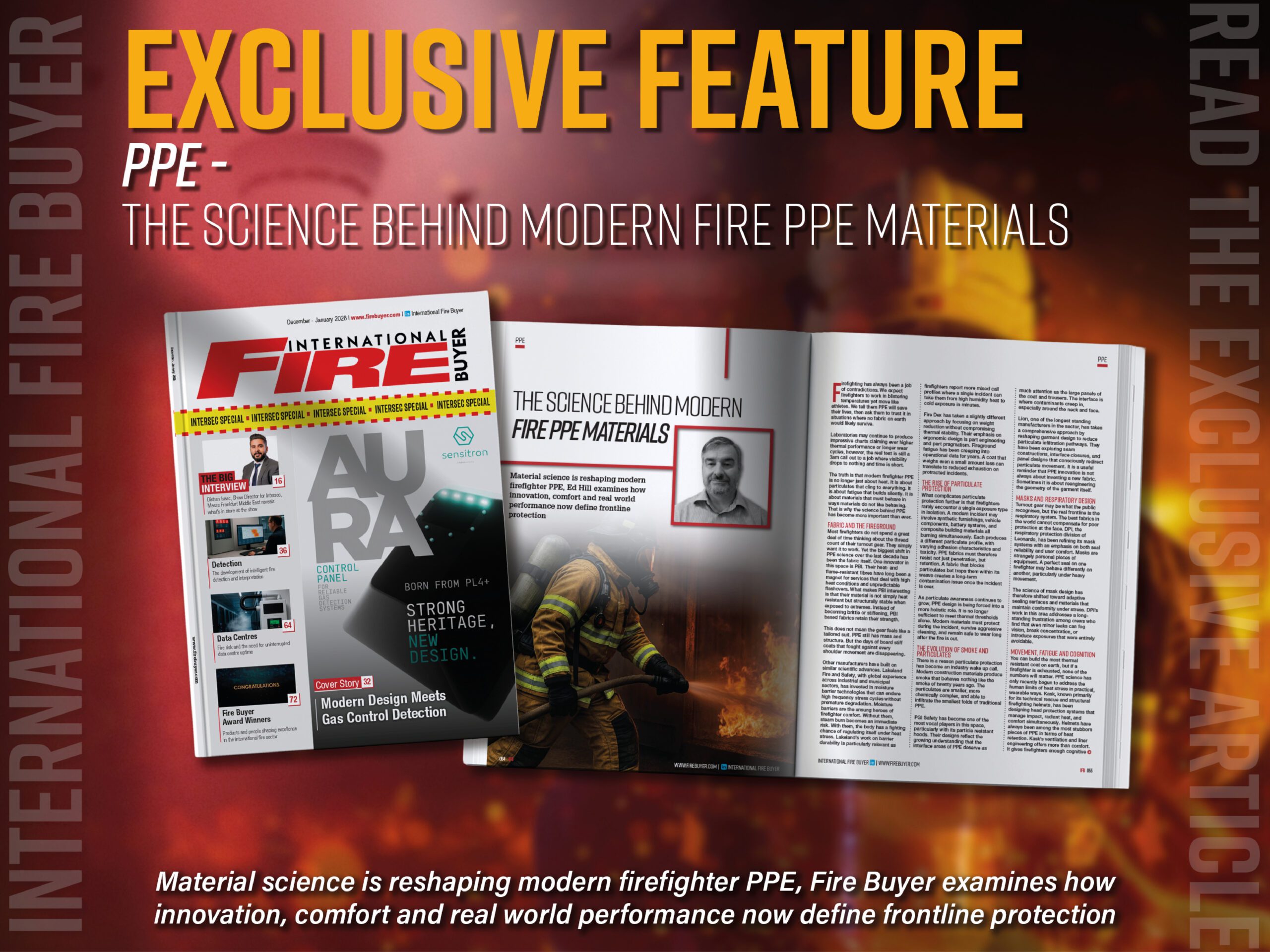

Material science is reshaping modern firefighter PPE, Ed Hill examines how innovation, comfort and real world performance now define frontline protection
Firefighting has always been a job of contradictions. We expect firefighters to work in blistering temperatures yet move like athletes. We tell them PPE will save their lives, then ask them to trust it in situations where no fabric on earth would likely survive.
Laboratories may continue to produce impressive charts claiming ever higher thermal performance or longer wear cycles, however, the real test is still a 3am call out to a job where visibility drops to nothing and time is short.
The truth is that modern firefighter PPE is no longer just about heat. It is about particulates that cling to everything. It is about fatigue that builds silently. It is about materials that must behave in ways materials do not like behaving. That is why the science behind PPE has become more important than ever.
Fabric and the Fireground
Most firefighters do not spend a great deal of time thinking about the thread count of their turnout gear. They simply want it to work. Yet the biggest shift in PPE science over the last decade has been the fabric itself. One innovator in this space is PBI. Their heat- and flame-resistant fibres have long been a magnet for services that deal with high heat conditions and unpredictable flashovers. What makes PBI interesting is that their material is not simply heat resistant but structurally stable when exposed to extremes. Instead of becoming brittle or stiffening, PBI based fabrics retain their strength.
This does not mean the gear feels like a tailored suit. PPE still has mass and structure. But the days of board stiff coats that fought against every shoulder movement are disappearing.
Other manufacturers have built on similar scientific advances. Lakeland Fire and Safety, with global experience across industrial and municipal sectors, has invested in moisture barrier technologies that can endure high frequency stress cycles without premature degradation. Moisture barriers are the unsung heroes of firefighter comfort. Without them, steam burn becomes an immediate risk. With them, the body has a fighting chance of regulating itself under heat stress. Lakeland’s work on barrier durability is particularly relevant as firefighters report more mixed call profiles where a single incident can take them from high humidity heat to cold exposure in minutes.
Fire Dex has taken a slightly different approach by focusing on weight reduction without compromising thermal stability. Their emphasis on ergonomic design is part engineering and part pragmatism. Fireground fatigue has been creeping into operational data for years. A coat that weighs even a small amount less can translate to reduced exhaustion on protracted incidents.
The Rise of Particulate Protection
What complicates particulate protection further is that firefighters rarely encounter a single exposure type in isolation. A modern incident may involve synthetic furnishings, vehicle components, battery systems, and composite building materials all burning simultaneously. Each produces a different particulate profile, with varying adhesion characteristics and toxicity. PPE fabrics must therefore resist not just penetration, but retention. A fabric that blocks particulates but traps them within its weave creates a long-term contamination issue once the incident is over.
TO READ THE FULL ARTICLE READ THE LATEST ISSUE HERE: