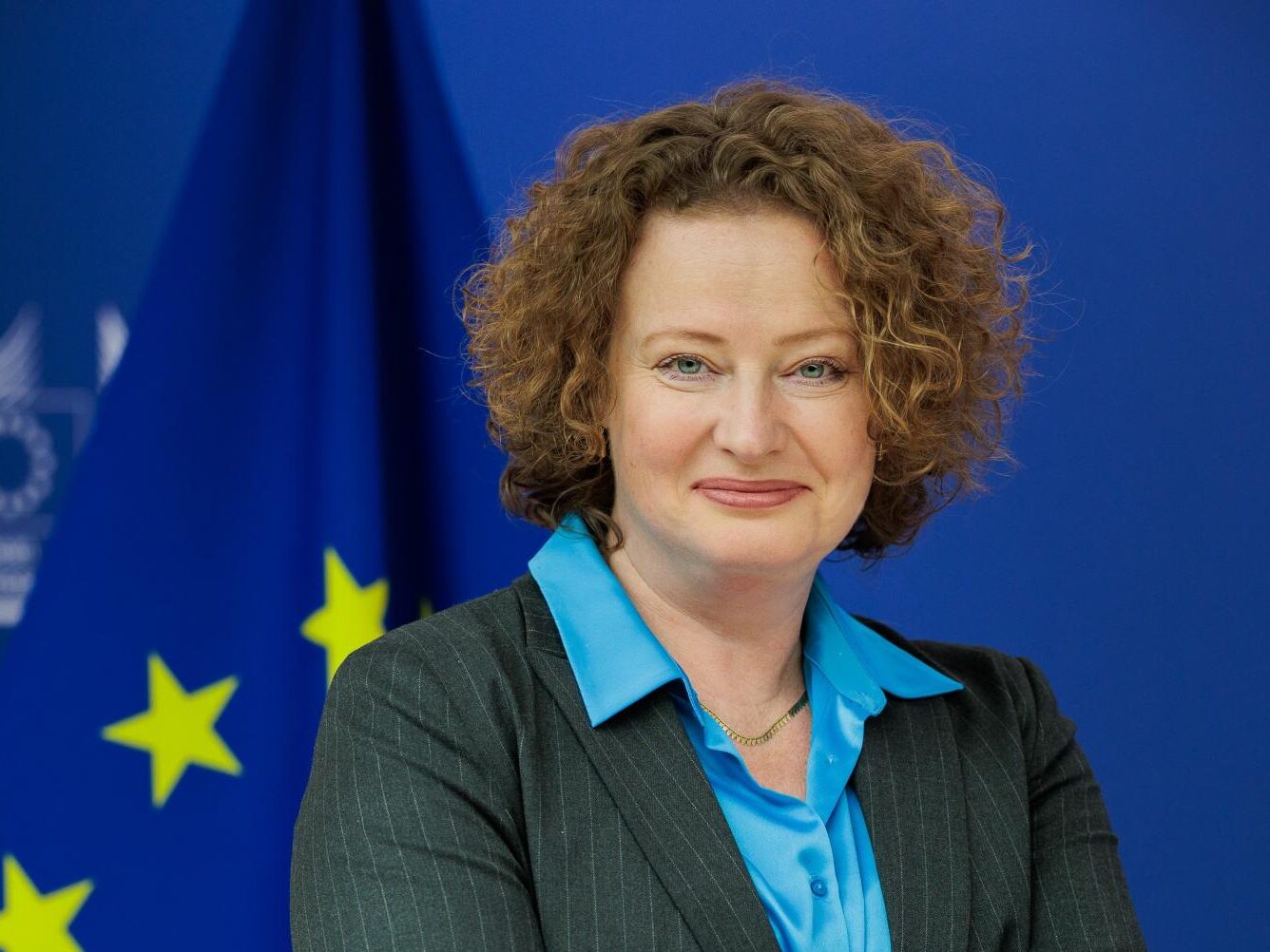

Eva Hrnčířová, the European Commission’s Spokesperson for civil protection and preparedness, discusses the body’s new strategy towards combatting wildfires.
The European Commission recently launched its new strategy to tackle rising wildfire threats in Europe. What are the key prevention measures from the strategy?
The EU Commission’s new communication on integrated wildfire risk management, adopted in March 2026, puts prevention at its core by focusing on making landscapes less flammable and more resilient. It promotes sustainable forest management and reducing fuel loads through tools like prescribed burning, grazing and better land-use planning, especially in areas where forests and populated areas are close. The communication also emphasises restoring ecosystems, such as wetlands and diverse forests, to naturally limit fire spread and improve moisture retention.
In addition, it calls for better risk mapping, data sharing, and innovation to guide prevention efforts. Public awareness and behaviour change are another key pillar, since many fires are caused by people. Overall, we see prevention as a combination of environmental management, technology, and societal engagement.
How should member states prepare for wildfires?
Preparedness relies on better planning, coordination, and readiness of both institutions and national response systems. EU countries should prepare for wildfires by strengthening risk assessment, early warning systems and integrated planning across sectors such as forestry, agriculture, nature conservation and civil protection. They are encouraged to assess wildfire risk based on updated data and maps and develop national wildfire risk management plans that combine prevention, preparedness and response measures.
Improving coordination between local, national and EU levels, and investing in training and capacity-building for firefighting and emergency services, is also essential. The communication highlights the need to pre-position firefighters, enhance monitoring tools, and ensure effective population preparedness and evacuation planning.
How can citizens support efforts to prepare for and prevent wildfires happening in at-risk areas?
People and local communities play a major role in wildfire risk prevention and management. The share of wildfire ignitions caused by human activity in the EU by far exceeds those from natural causes and could be as high as 96%. Therefore, we propose to promote and disseminate good practices in wildfire risk awareness and community involvement.
What barriers do members states have to ensuring a high level of preparedness against wildfires?
EU countries face several challenges in ensuring high wildfire preparedness, including increasingly frequent and intense fires driven by climate change, which strain existing response capacities.
Fragmented governance and coordination across sectors and administrative levels can also make integrated planning difficult. In some cases, national legislation can be an obstacle to implement some ecosystem-based tools, such as prescribed burning. Limited resources, including personnel, equipment and funding, further constrain preparedness, especially during simultaneous fire events across countries. In addition, gaps in risk assessment, data sharing, and early warning systems reduce the effectiveness of a timely and coordinated response.
The proposal addresses these challenges by strengthening EU-level coordination, improving data sharing and early warning systems, and supporting EU countries through tools like the EU Civil Protection Mechanism and rescEU capacities. It also promotes integrated planning, funding, and knowledge exchange to help countries build more consistent and effective preparedness systems.
TO READ THE FULL ARTICLE READ THE LATEST ISSUE HERE.