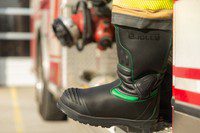
Fire-Dex has announced that UL Solutions has verified particulate ingress results for its AeroFlex turnout system under UL Verification 1641, confirming performance to NFPA Particle Inward Leakage testing requirements when worn in a specific configuration.
Balancing particulate protection and breathability
Todd Herring, V.P. of Product Innovation and Strategy at Fire-Dex, said: “Particulate barriers in pant/coat interfaces add protection from contaminants, but the trade-off is that they can limit breathability.
“AeroFlex is designed differently, with vents that help hot air escape from inside turnouts but that also keep particulates out.
“That gives departments a clearer path when weighing particulate protection and heat management inside the coat, because our UL-verified system addresses both in one ensemble. This design supports breathability, wearer comfort, and operational mobility while maintaining required certified performance.”
Tested configuration and verification results
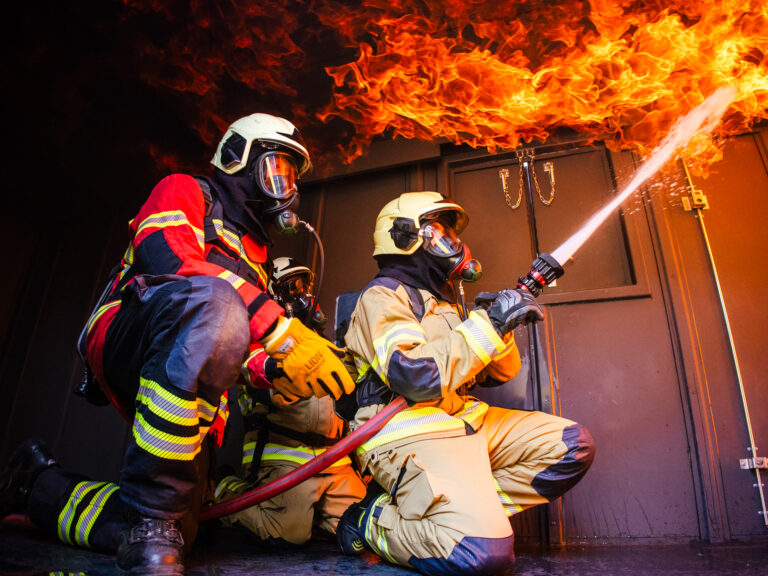
The evaluated configuration included the AeroFlex coat with a properly engaged SCBA, alongside AeroFlex pants equipped with an optional particulate-blocking barrier.
Testing was conducted in a controlled particulate chamber, where a firefighter performed prescribed actions over 20 minutes before skin contamination was assessed following careful doffing.
UL Solutions reports less than 1mg of exposure across the wearer, confirming that a properly engaged SCBA helps seal the coat to pant interface, preventing particulate migration into the torso area without an added barrier in the coat.
The optional barrier in the pants provided additional lower body protection.
Zoned breathability and thermal management design
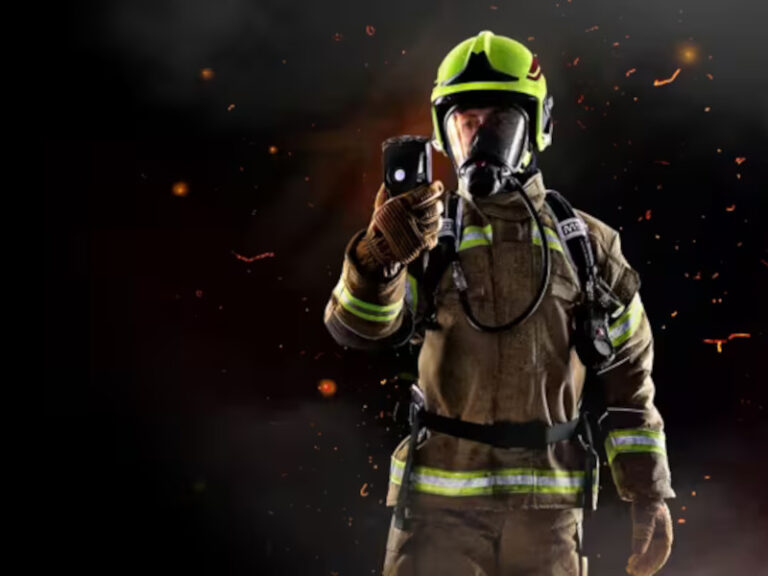
The AeroFlex turnout system is engineered around zoned breathability, incorporating VaporLite breathable composite panels in high heat and moisture areas including side seams, armpits, inner thighs and behind the knees.
AeroVent Technology is integrated within these zones to move warm, humid air outward under pressure while maintaining a particulate-blocking element.
By addressing the balance between moisture vapour transport and contaminant protection, the system supports improved cooling, reduced heat burden and enhanced mobility during operational use.