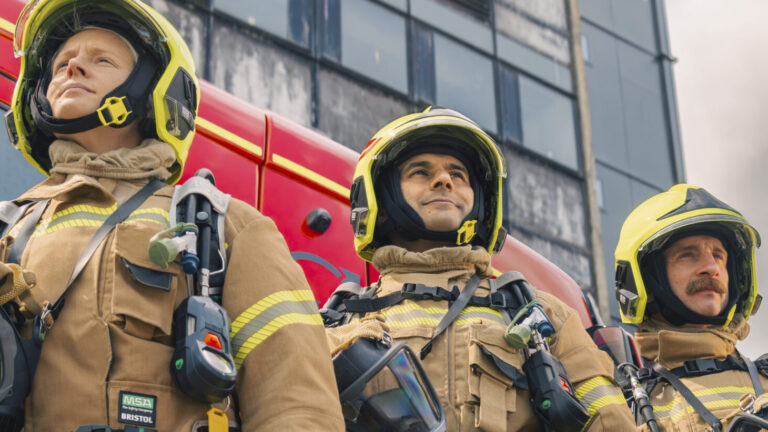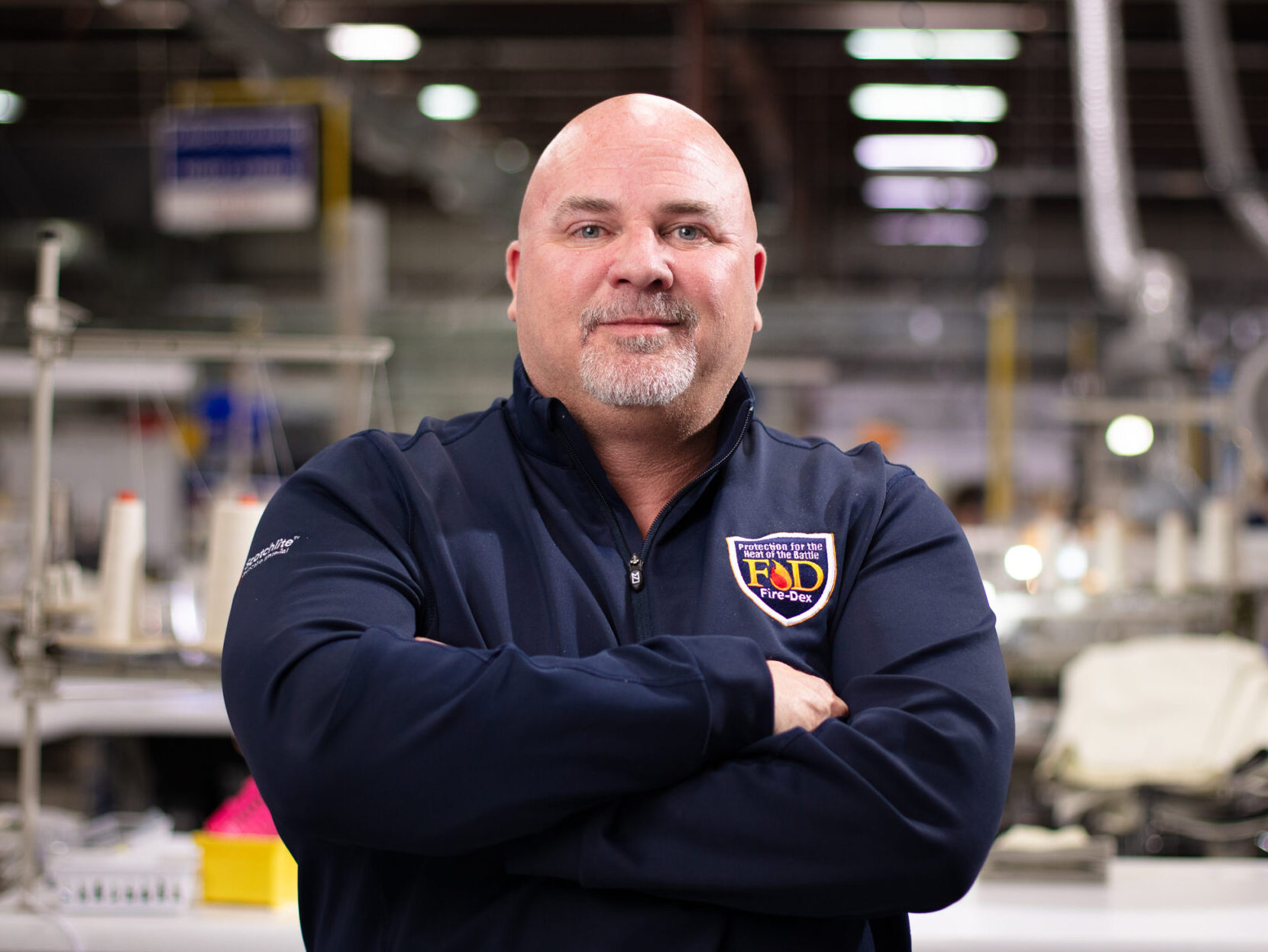

Todd Herring, Vice President of Product Innovation and Strategy at Fire-Dex explains how innovation in turnout gear is balancing protection, breathability and mobility to improve firefighter performance.
Firstly, can you say a little about your background and your history with Fire-Dex?
I’ve been with Fire-Dex for more than a decade, and that path has given me a broad view of the business. I came in on the product side and have worked across development, management, marketing and strategy, which has shaped how I think about both innovation and the realities of the market. Over time, that has given me the opportunity to stay closely connected to design, performance and the evolving needs of the fire service.
Today, I help lead the strategy behind how we bring new products to market and how we continue improving the gear firefighters rely on. What has kept me at Fire-Dex all these years is the mission. We’re building PPE for people who put themselves on the line for others, and that gives the work real purpose. I’ve had the chance to grow with the company, but I’ve also grown alongside the fire service, listening to end users and making sure their challenges are shaping the solutions we create.
What experience and understanding of the market do you bring to your role?
I bring a balanced view of the market because my background sits at the intersection of textile engineering, product strategy and commercialisation. I have more than 20 years in the protective textile industry, and I came to Fire-Dex in 2015 through the TECGEN acquisition. After that, I moved into a broader leadership role overseeing marketing and product development, and in 2021 I was promoted to Vice President of Product Innovation and Strategy. Therefore, I’ve seen this market from several angles, and I understand how innovations must translate into something fire departments can justify, purchase and wear with confidence.
I’d also say my understanding comes from staying close to the real pressures departments face. A lot of the conversation now is around heat stress, mobility, fit, contamination protection and task-specific gear. That is reflected in the kinds of products and initiatives we’ve been focused on at Fire-Dex, whether it’s turnout breathability through AeroFlex®, better sizing through our Virtual Sizer AI tool or first-of-its-kind gear that’s purpose-built for specific roles like fire investigation. Those innovation projects come directly from listening to end users and responding to how the job is changing.
Looking at the past 10 years, what would you say have been the latest innovations in PPE?
The biggest innovations have not been about one breakthrough product so much as a shift in priorities. For a long time, the conversation centred on thermal protection above all else, but the market has become much more focused on balancing protection with heat stress reduction, mobility, contamination control and proper fit. That broader view is reflected in the new NFPA 1970 era, where departments are being pushed to think more holistically about performance, comfort and long-term wearability.
One of the clearest areas of innovation has been lighter, more breathable turnout gear. The industry has spent years trying to reduce physiological strain without giving up core protection. That has led to better moisture barriers, more breathable systems and new approaches to ventilation. Turnout gear is no longer judged only by how much heat it blocks, but also by how well it helps firefighters manage the heat they generate while doing the job.
Ten years ago, a lot of departments were still relying on structural gear as the answer to almost everything. But different calls require different gear, whether that’s wildland, technical rescue or post-fire investigation. We are getting away from the idea that one ensemble should do every job equally well, and that’s why alternative PPE is becoming such an important part of the conversation.
TO READ THE FULL ARTICLE READ THE LATEST ISSUE HERE.