Tourist access to the world-renowned Mount Vesuvius has been suspended following a major wildfire sweeping the volcano’s slopes. The blaze, active since early August, has devastated hundreds of hectares of woodland, prompting a large-scale, multi-agency firefighting operation. Meanwhile, southern France faces its most intense wildfire in decades.
Mount Vesuvius Under Threat
The wildfire, which began several days ago, has expanded to roughly 3 km in width, affecting the Terzigno pine forest and adjacent woodland near Trecase, Ercolano, and Ottaviano. Thick smoke plumes are highly visible from both Naples and the archaeological remains at Pompeii.
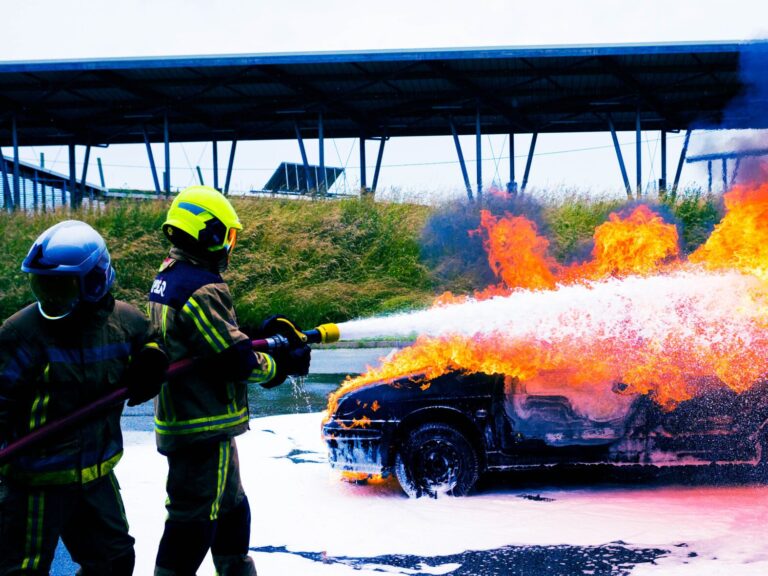
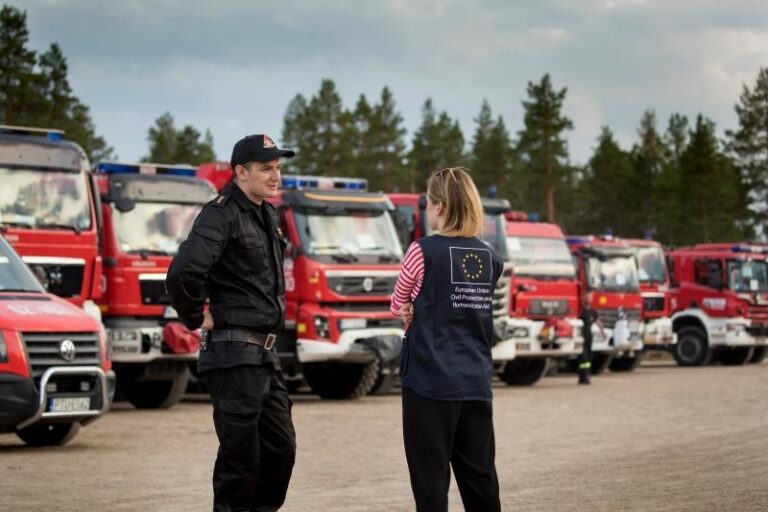
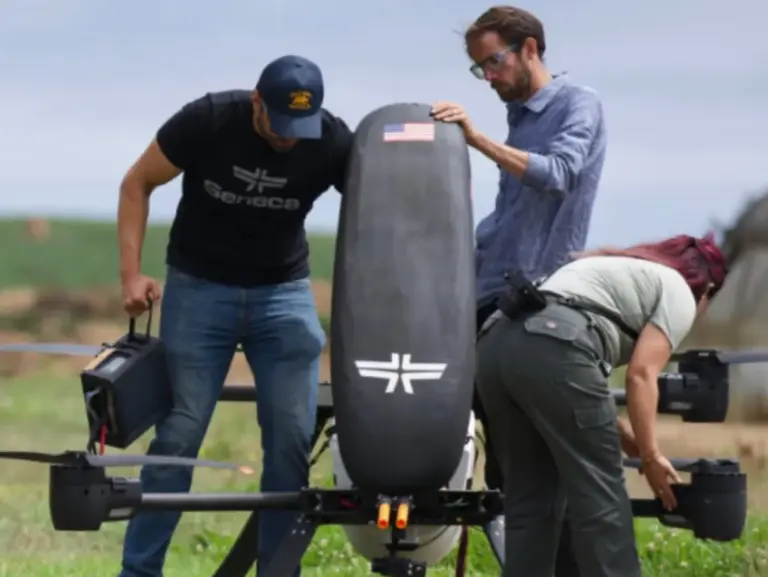
Six Canadair aircraft and numerous helicopters are deployed in aerial attacks, supported by drones for fire monitoring and a wide frontline comprising firefighters, military, forestry corps, police and civil protection volunteers.
The Mayor of Terzigno described the situation as “very critical”, though no residential structures have been affected. Local park authorities have closed all trails within Vesuvius National Park to ensure public safety and to permit unfettered emergency operations—Pompeii itself remains open to visitors.
Investigations strongly suggest arson as the cause of the fire. Authorities cite a high incidence of deliberate or negligent ignition in such fires—estimated at 90 %—and have called for a thorough inquiry into possible criminal motives.
Fires Across Southern Europe
In France’s Aude department, firefighters continue to battle the largest wildfire the region has seen since 1949. Despite some containment efforts, scorching heat and drying winds are complicating control measures.
Climate as an Aggravating Factor
Officials and specialists link the rise in wildfire frequency and severity to climate change. Across Italy, approximately 700 wildfires have occurred between January and July 2025, consuming over 320 km²—surpassing much of 2024’s total. Meanwhile, southern Europe’s unprecedented heatwaves—often topping 40 °C—are further extending wildfire seasons and increasing risk.