A multi-million dollar partnership which will aid wildfire suppression has been set up in Colorado.
Seneca has teamed up with Aspen Fire Protection District marking the first acquisition of a coordinated autonomous wildfire suppression system in the US.
First US coordinated AI suppression system
The five-year contract, which will kick off in the summer, will see the delivery of a Seneca Strike Team, consisting of five suppression aircraft, a mobile operations base and supporting software.
Each strike team has a capacity of approximately 500 gallons of finished foam per sortie and a single pilot can operate multiple aircraft due to the system’s AI and autonomy capabilities.
Colorado periodically suffers from deadly wildfires; in the last five years alone, multiple fires have burned more than 100,000 acres (40,468 ha) of land.
The South Canyon fire in 1994 was one of the greatest wildfire tragedies in the US, and was caused by a dry lightning storm. The incident killed 14 wildland firefighters and burned an area of 2,115 acres (856 ha).
Public private funding model
The aircraft system acquisition is the result of public private partnerships in Aspen between Aspen Fire Protection District, the Aspen Fire Foundation and local donors foundation, a local family who are committed to bringing solutions to our community and the nation in the wildfire space.
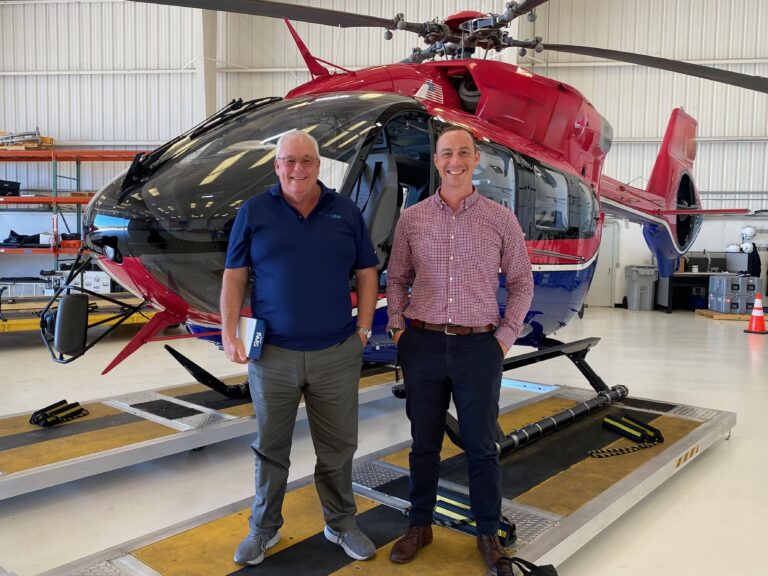
Stuart Landesberg, Founder and CEO of Seneca, said: “Aspen has a unique blend of high-risk terrain, exceptional collaboration across their valley, and a highly skilled and forward-thinking team.
“They understand the importance of modernizing wildfire response to safeguard communities across the American West. We are grateful for the trust of Chief Andersen and Aspen Fire Protection District.”
Chief Jake Andersen, Fire Chief and CEO of Aspen Fire, said: “We are partnering with Seneca because this technology will help us save homes and save lives.
Expansion across Roaring Fork Valley
“Wildfires in our region are moving faster and growing more complex every year. Stu and the full Seneca team have listened to firefighters and built a system designed for the realities we face on the ground.
“This gives us another critical tool to protect our community before small starts become major incidents. We are grateful to the donors who partnered with Aspen Fire to make this possible, and we are proud to bring this capability to Aspen this summer.”
Over the coming years, AFPD and Seneca hope to deploy additional autonomous aerial response bases, which can respond within seconds of detection to get to new starts earlier and provide significant protection to the communities and nature in the Roaring Fork Valley.