
The European Commission has presented a new integrated approach to wildfire risk management, covering prevention, preparedness, response and recovery, as wildfires across Europe continue to increase in scale and intensity.
Rising wildfire risk and climate impact across Europe
In 2025, Europe experienced its worst wildfire season on record, with over one million hectares scorched.
The Commission states that climate change and other drivers are accelerating wildfire frequency and severity, placing greater pressure on infrastructure, ecosystems and communities.
To address this, the strategy emphasises ecosystem-based prevention, recognising that healthy landscapes are more resilient to fire.
A new guidance document on Natura 2000-protected sites and climate change outlines structured approaches to adaptation, including resilient landscape planning and wildfire risk reduction aligned with conservation objectives.
Strengthening prevention, preparedness and public awareness
Hadja Lahbib, Commissioner for Equality, Preparedness and Crisis Management, said: “Wildfires know no borders, and neither should our response.
“Today’s measures demonstrate Europe’s unwavering commitment to standing together in the face of climate-driven crises.
“By strengthening prevention, sharing resources, and investing in resilience, we are protecting lives, livelihoods, and the future of our continent.
The Commission will update risk assessment guidelines for Member States and expand public engagement, including education programmes, youth initiatives and volunteering opportunities to improve preparedness.
Investment in firefighting capacity and technology
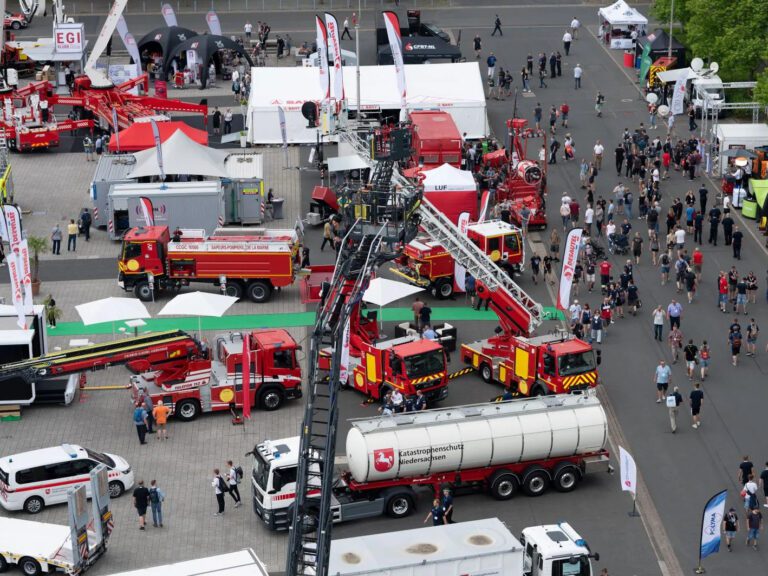
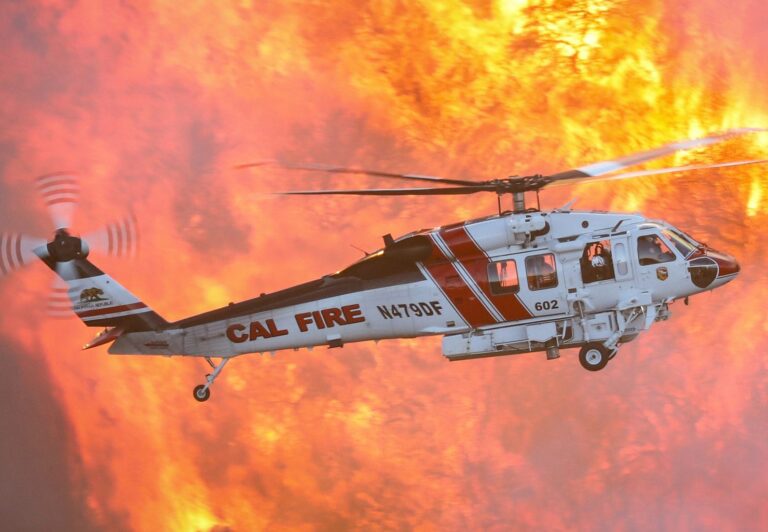
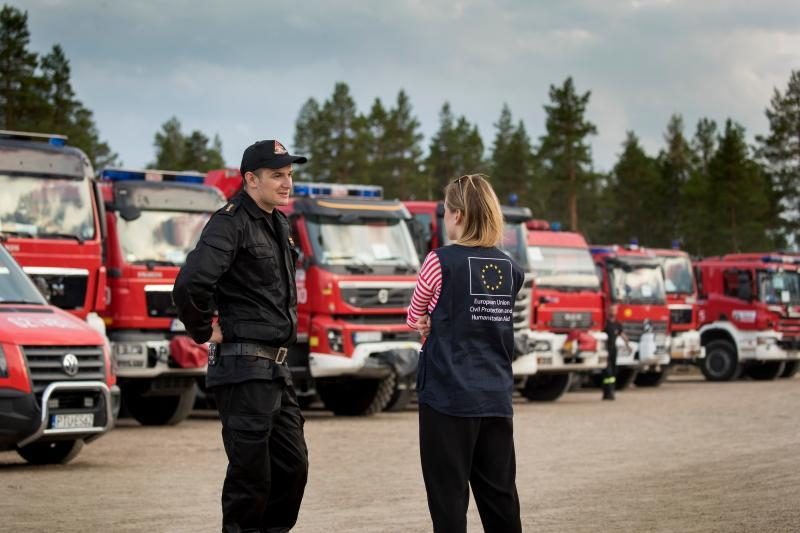
Preparedness measures include pre-positioning firefighters, increasing expert exchanges and expanding the rescEU fleet with 12 firefighting planes and five helicopters.
The first rescEU helicopter, delivered to Romania in January 2026, will be operational for the 2026 wildfire season.
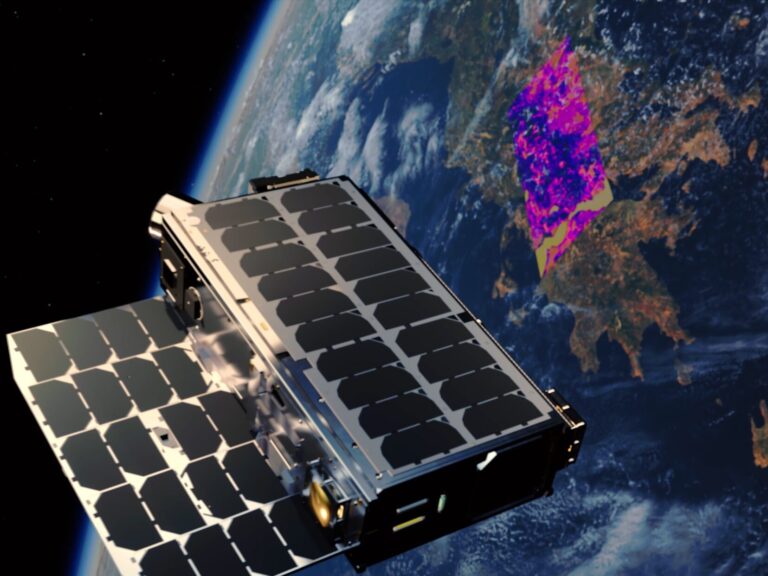
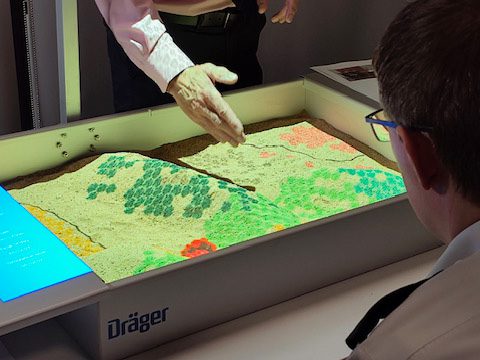
The Commission will also enhance the European Forest Fire Information System using Copernicus satellite data, alongside developing AI-assisted wildfire modelling and pan-European risk modelling tools.
Long term resilience and recovery planning
Jessika Roswall, Commissioner for Environment, Water Resilience and a Competitive Circular Economy, said: “Wildfires are becoming more ferocious and more destructive across Europe, with catastrophic consequences for our lives, environment and economies.
“It shows how our economic resilience is directly linked to the health of our ecosystems, and how protecting one, protects the other.
“By investing in prevention, restoring nature and creating fire-resilient landscapes, we can avoid economic damage worth billions of Euros.”
The strategy also includes plans for a European firefighting hub in Cyprus and improved data collection on firefighter health risks, alongside strengthened post fire recovery and ecosystem restoration measures.