
Carl Zandler, Segment Sales Manager for Commercial Vehicles at Fogmaker International, explores how its latest fire suppression innovation enhances safety and evacuation time in BEV fires
The transition to battery electric vehicles (BEVs) is transforming commercial transport, cutting emissions and operating costs. Yet one question remains at the heart of safety discussions: what if a fire breaks out?
While the likelihood of a BEV fire is low, the consequences are severe. Once thermal runaway begins, temperatures escalate rapidly, releasing toxic gases and flames that can engulf a vehicle within minutes. Passengers and drivers have precious little time to act.
Fogmaker’s latest innovation directly tackles this risk. The company’s new Sectioning Deployment Valve delivers precise, targeted suppression, buying vital seconds that can mean the difference between a safe evacuation and disaster.
Targeted Suppression Across Multiple Zones
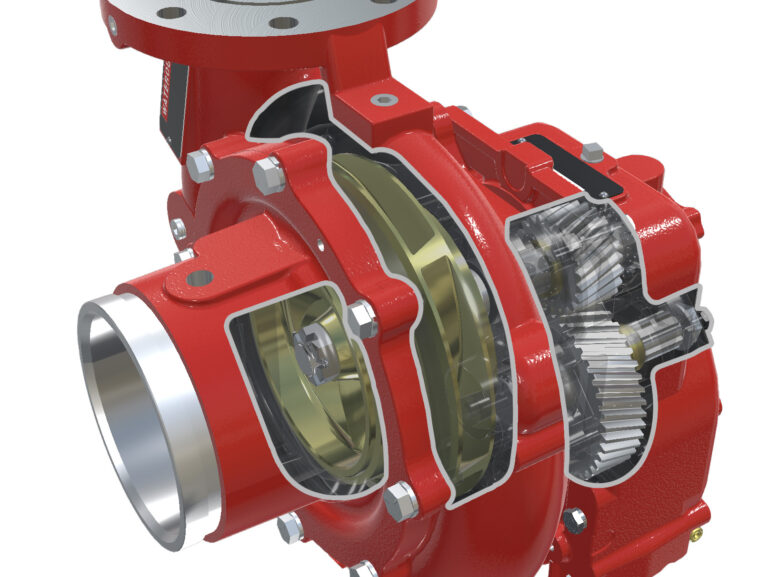
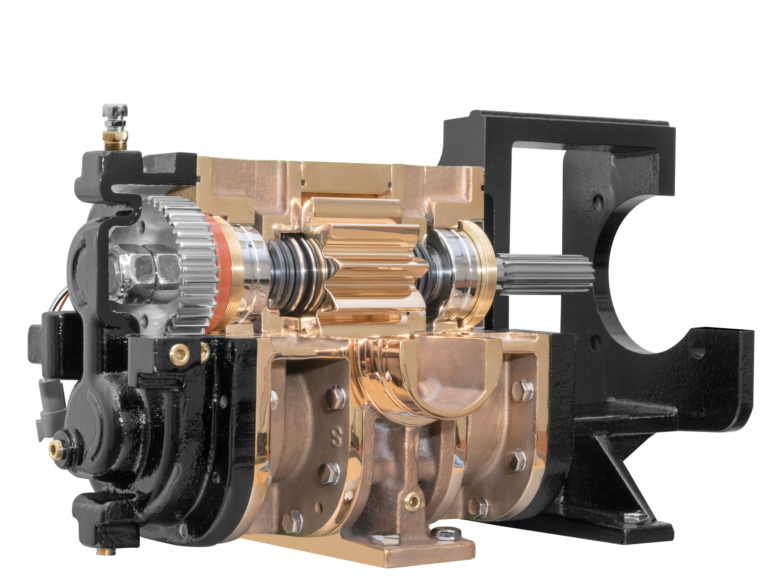
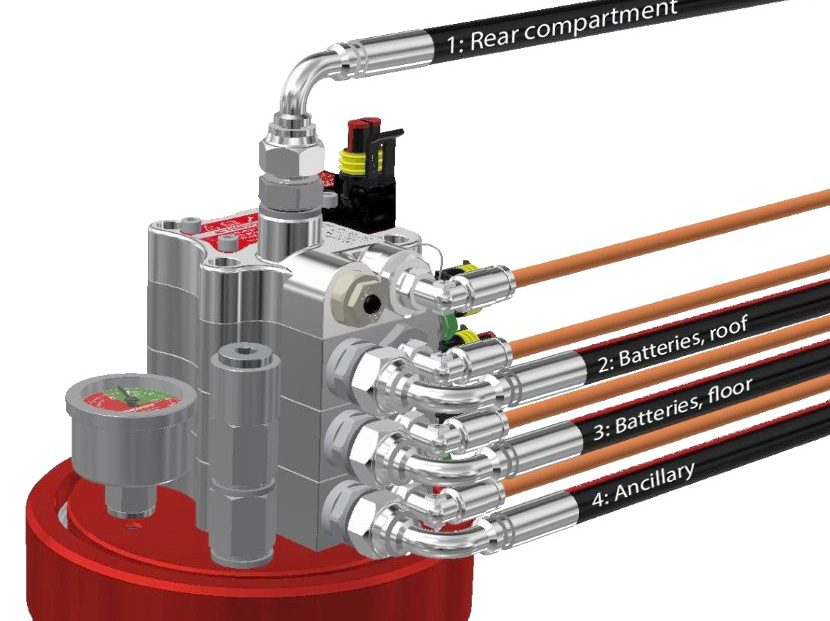
Traditional fire suppression systems are often limited to a single protected compartment. Fogmaker’s new design changes that. The Sectioning Deployment Valve allows one central suppression unit to serve multiple critical zones such as battery packs, engine bays or auxiliary systems, within the same vehicle.
When sensors detect heat or smoke, the valve automatically channels the Fogmaker Eco 1 suppression agent to the affected compartment. A single unit protecting a 1m³ area can sustain up to two minutes of suppression, holding back flames and cooling hotspots. That sustained action can slow fire progression long enough for passengers to exit and emergency services to respond.
The Science Behind Fogmaker Eco 1
All fires rely on the same chemistry: heat, fuel and oxygen. Fogmaker’s Eco 1 agent neutralises each element of this ‘fire triangle’ through three coordinated mechanisms.
Firstly, rapid cooling: The agent’s water base absorbs heat exceptionally efficiently. Dispersed at 105 bar pressure into ultra-fine droplets, it achieves massive surface area contact with hot gases, absorbing thermal energy in seconds.
TO READ THE FULL ARTICLE SEE OUR LATEST ISSUE HERE