Staging Site!

Ensuring Fire Suppression Reliability. firebuyer.com

Ensuring Fire Suppression Reliability

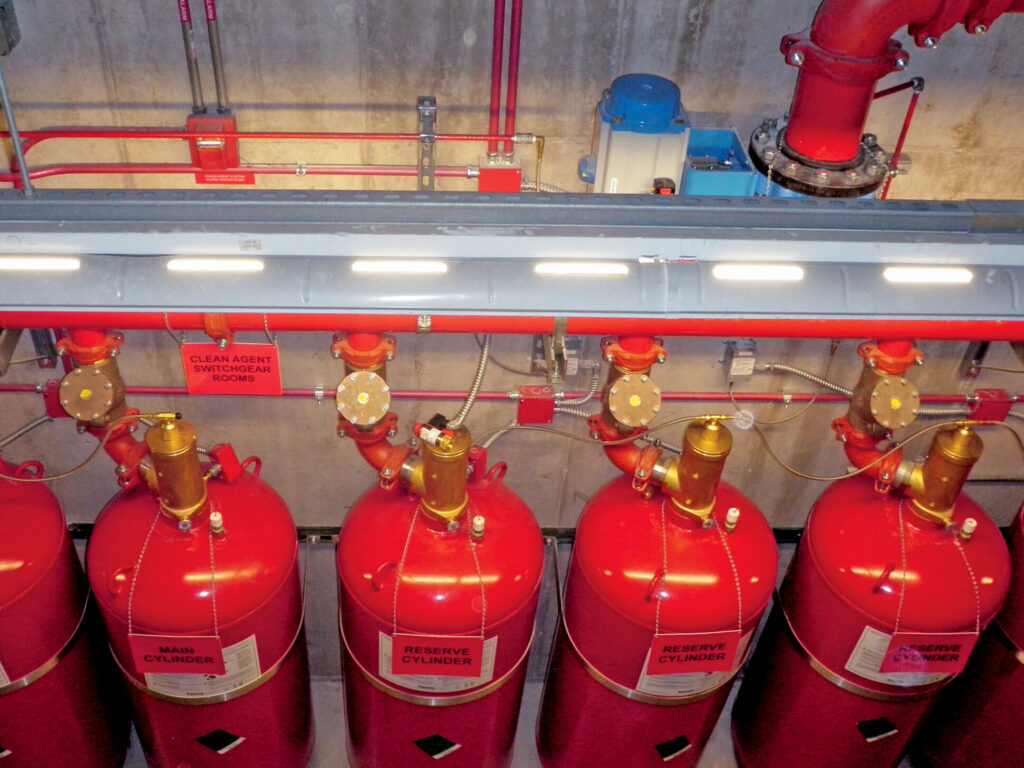
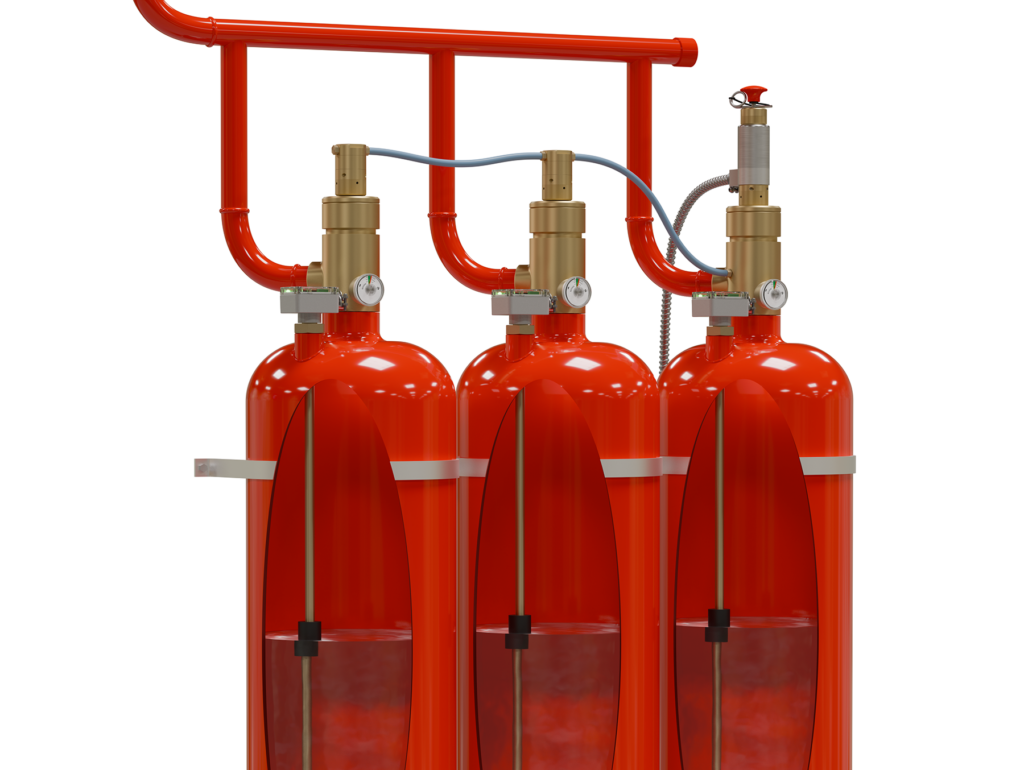
TLX Fire & Security introduces a liquid level sensor that enables continuous monitoring of extinguishing agent weight, improving system reliability and reducing reliance on manual inspection methods. Clean agent fire suppression systems are not simple off-the-shelf products. They are carefully engineered for the specific room they are intended to protect. Engineers must consider the room volume, room integrity (how airtight the room is), air exchange rates induced by HVAC systems, the type of hazard and fuel load that will be present, and the type of extinguishing agent the system will use.    These systems are designed to flood the room with a specific concentration of extinguishing agent. Misjudging any one of these factors can result in an inadequate concentration, and the system may fail to extinguish a fire even if it successfully discharges.   Ensuring that the extinguishing agent cylinders are charged with the correct amount of agent is no less critical than a properly designed system. During biannual inspections, technicians will verify the weight of the extinguishing agent in each cylinder. But legacy methods rely on manual measurements and calculations, which can lead to errors. Furthermore, if a leak slowly discharges a cylinder between inspections, the defect may not be discovered and corrected until the next scheduled inspection. Either of these scenarios could lead to low agent concentration.   TLX Fire & Security’s Liquid Level Sensor (LLS) eliminates these risks by automatically displaying the thermally compensated weight of the extinguishing agent directly at the cylinder, allowing on-site personnel to easily verify agent weight between inspections.   The LLS is designed for welded cylinders and is installed prior to filling. This solution includes a sealed tube with a magnetic float mounted on the tube’s exterior. There is another float inside the tube that magnetically moves with the exterior float. These rise and fall together as the fluid level in the cylinder changes to provide an accurate measurement of the fluid level.    A sensor package at the end of the tube at the top of the cylinder includes a thermocouple. Interior float position and temperature data are sent to the LLS’s microcontroller, which is preprogrammed with a conversion table for that specific cylinder and extinguishing agent configuration. The microcontroller uses the data to accurately calculate the thermally compensated weight of the extinguishing agent.   The thermocouple is a critical feature that prevents costly false alarms caused by inaccurate manual temperature readings or calculations. It allows the LLS to automatically compensate for the thermal expansion and contraction of the agent throughout the full temperature range specified for the system.    The weight of the agent is indicated directly at the cylinder on a digital display, which also includes a green/yellow/red LED that provides a quick visual indication of the cylinder’s status.    The LLS continuously monitors the agent weight, meaning any loss of agent can be quickly identified and corrected without waiting for a biannual inspection. This means cylinder maintenance can be expedited, adding a level of security to help ensure that the system is fully charged and ready to extinguish a fire.    TLX is working closely with UL to obtain UL Listing for the LLS and anticipates beginning testing in Q3 of 2026.     To find out more, go to: tlxfire.com

Ensuring Fire Suppression Reliability Read More »
Minneapolis orders Pierce Enforcer pumpers. Firebuyer.com

Minneapolis orders Pierce Enforcer pumpers

The Minneapolis Fire Department has ordered three Pierce Enforcer Pumpers from Pierce Manufacturing, an Oshkosh Corporation business. The order marks the department’s transition from commercial chassis vehicles to custom fire apparatus designed for urban response operations. The order was secured through Pierce dealer MacQueen and will support frontline operations across Minneapolis’ 19 fire stations, which are staffed by more than 430 firefighters. Faster delivery and custom design According to MacQueen, the apparatus were configured using the Build My Pierce programme, enabling the department to accelerate delivery timelines while maintaining operational specifications tailored to the city’s demands. Built for harsh urban conditions Minneapolis operates within a dense metropolitan environment with major interstate traffic corridors and severe winter weather conditions. The new pumpers have therefore been specified to support both urban mobility and winter response capability. Each apparatus will feature a Pierce Enforcer custom chassis powered by a PACCAR MX-13 engine producing 510 hp and 1,850 lb-ft of torque. Other specifications include a Waterous 1,500 gpm single-stage pump, 500-gallon water tank, TAK-4 independent front suspension, rear air ride suspension and OnSpot automatic tyre chains. Additional safety features include frontal and side roll impact protection, dual cab step access, low hosebed configuration and a Whelen warning light package. Brad White, Fire Apparatus Sales Representative for MacQueen, said: “Designing these pumpers through the Build My Pierce™ program allowed us to move quickly while still delivering apparatus tailored to Minneapolis’ operational needs. “Minneapolis has been a Pierce fleet customer for years and has operated Pierce aerials since 2015, so this transition to Pierce custom chassis pumpers builds on an established partnership focused on reliability, performance and long-term support.” Deputy Chief Olson from the Minneapolis Fire Department, said: “Moving away from a commercial chassis was a major priority for us. “We wanted to ride on a fire truck that’s built to be a fire truck. Pierce’s Enforcer Pumpers give us a roomy cab, excellent turning radius, and customized space for our crews and equipment, while keeping the overall layout familiar so the transition is seamless. “Most importantly, we’re getting apparatus designed specifically for firefighting, which means low downtime, few repairs and vehicles built to do exactly what we need.” “Partnering closely with our Fleet Manager, Chris Metcalf, was critical in evaluating long-term maintenance, repair costs and overall downtime. “That collaboration helped reinforce our decision to invest in apparatus designed specifically for firefighting. “The new Enforcer Pumpers will give us the maneuverability we need in an urban environment, the safety features our crews expect and the confidence that these units will spend their time in service and not in the shop.”

Minneapolis orders Pierce Enforcer pumpers Read More »

Water mist in data centres. Firebuyer.com

Water mist fire protection for data centres

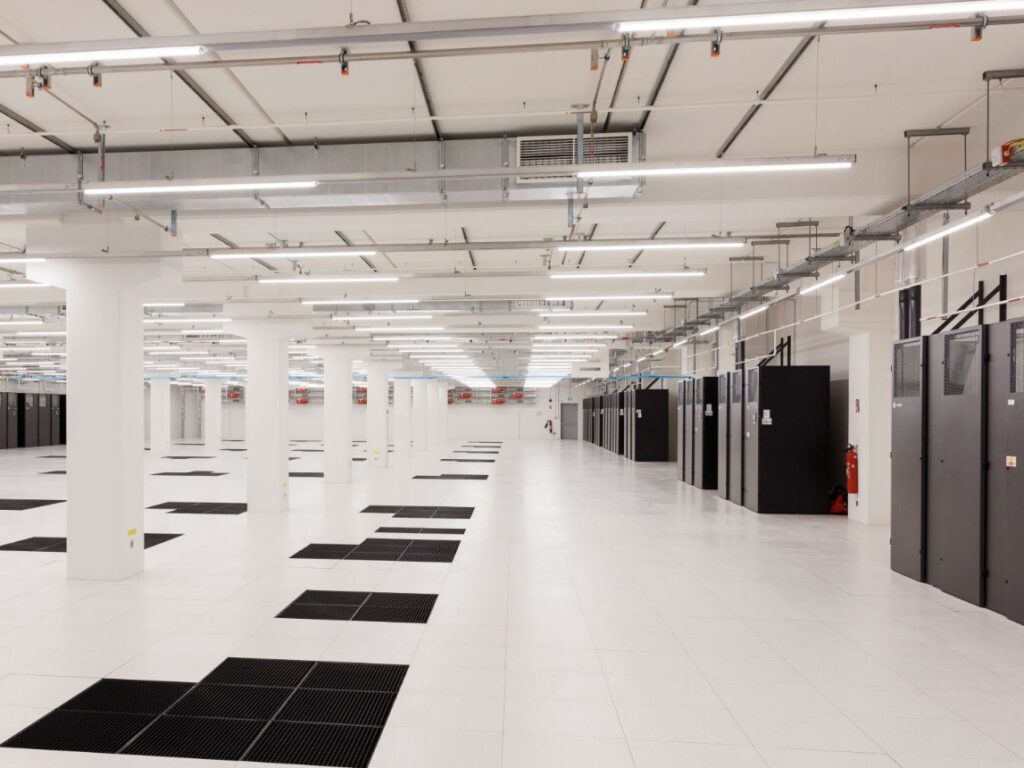
Water mist systems are increasingly protecting hyperscale data centres, combining efficient fire suppression with reduced water demand and infrastructure impact.  The market for water mist is growing. One of the applications at the forefront is the protection of data centres.    Low-pressure water mist protects hyperscale data centre facilities in Paris The rapid expansion of hyperscale digital infrastructure is creating new challenges for fire protection engineering. Data centres combine high-density electrical equipment, critical IT infrastructure and complex mechanical systems, requiring fire protection solutions that can respond quickly while minimising the potential impact on sensitive equipment.  An example of where this technology has been implemented is the Digital Park campus in La Courneuve, north of Paris which was developed and is operated by Digital Realty. The campus consists of four facilities delivering a combined IT capacity of 76 MW.  Within this development, engineering contractor Mercury led the delivery of the PAR10 and PAR11 facilities, supporting the construction of highly resilient data centre infrastructure designed to meet the growing demand for cloud computing, Artificial Intelligence and digital services.  The PAR10 and PAR11 buildings required a fire protection solution capable of protecting multiple operational areas, including data halls, technical rooms and generator areas. To address these requirements, a low-pressure water mist system was implemented to provide integral protection across the facilities.  The installation includes approximately 7,000 water mist nozzles and around 200 control valves integrated within the building infrastructure. The system suppresses fire primarily through rapid cooling of the fire environment, as fine water droplets absorb heat and reduce temperatures in the combustion zone.  Riccardo Cerati, Global Business Development Director at VID Firekill, said: “Unlike traditional sprinkler systems, water mist technology can significantly reduce water demand while allowing more compact piping networks.   “This allows for more compact on-site water reserves and drainage systems while maintaining the level of protection required for critical infrastructure environments.”  The importance of approved installation Lee Haines, IWMA (International Water Mist Association) Director and Sales Director at Fireworks Fire Protection Ltd, said: “The installation of water mist fire protection systems is a highly specialised activity that must be undertaken by a competent and approved installation company. It is imperative that the installer is an authorised partner or distributor of the original equipment manufacturer (OEM). This approval demonstrates that the installer has direct access to the OEM’s technical support, system components and up-to-date design requirements.”  Approved installers are required to have completed OEM led training and certification. This training ensures that engineers fully understand system design principles, hydraulic calculations, component selection, commissioning requirements and ongoing maintenance obligations. Certification provides assurance that the system will be installed in accordance with the manufacturer’s tested and approved methodology.  Prior to installation, the OEM must have undertaken comprehensive fire testing at an ISO accredited fire test laboratory. These full-scale fire tests form the basis of the system’s performance claims and are essential in demonstrating compliance with recognised standards. The test programme results are captured within a Design, Installation, Operation and Maintenance (DIOM) manual which defines the exact conditions under which the system has been proven to perform, and which installers must strictly follow to ensure that real world installations replicate the tested configuration.  Correct installation by an approved and trained contractor is therefore critical to system effectiveness, regulatory compliance and life safety. 

Water mist fire protection for data centres Read More »

Advanced at NFPA 2026. Firebuyer.com

From the Expert: Advanced

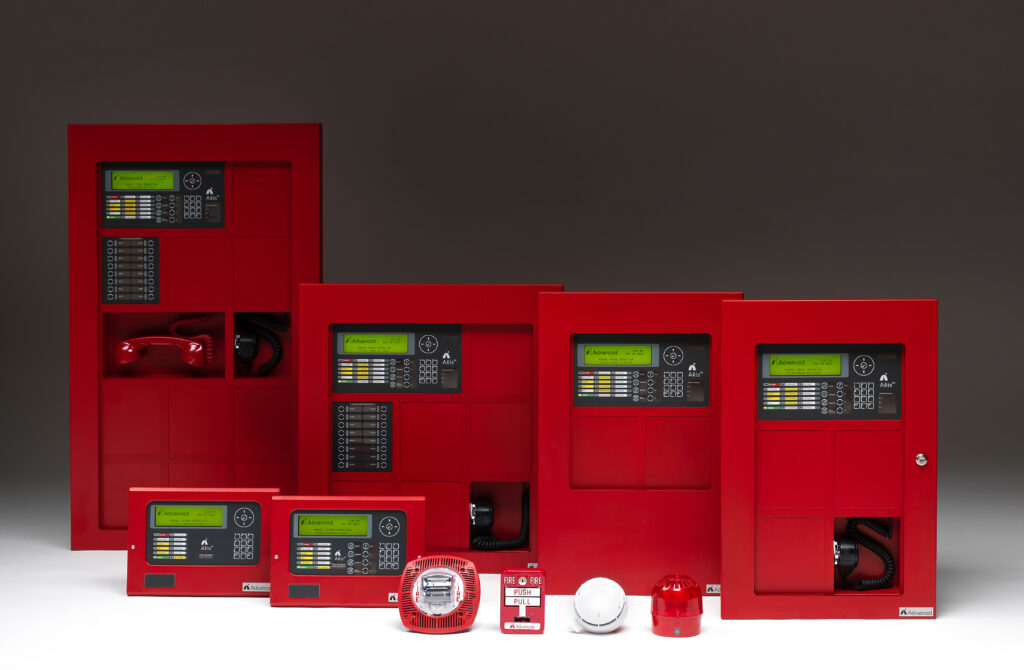
Advanced will showcase its Axis AX fire system at NFPA 2026, highlighting scalable design, integrated functionality and simplified compliance for complex applications. As the fire safety industry gathers for the NFPA Conference and Expo 2026, innovation, compliance and real world performance remain firmly in focus. Advanced returns to NFPA this year with a clear message: simplifying complexity without compromising compliance. At the heart of its presence is the Axis AX fire system, a high-performance, UL‑listed platform designed to scale from straightforward commercial applications to the most complex, multi‑panel environments.  NFPA is always a key moment for the North American fire industry because it brings together the people who shape standards, specify systems, install them and ultimately rely on them. It’s not just a showcase of products, it’s where wider conversations happen around compliance, emerging risks and how technology is changing what is possible.  For Advanced, NFPA is especially important because it allows us to engage directly with consultants, AHJs, integrators and end users in one place. That face-to-face feedback is invaluable. North America has some of the world’s most demanding fire safety standards, and NFPA gives us the opportunity to demonstrate how our UL‑listed systems align with current expectations while also preparing for what comes next.  There’s a temptation in technology to constantly push what is new, but in fire safety, confidence and continuity are just as important. The reality is that many of the challenges facing customers today – system complexity, skills shortages, local code variation and futureproofing – have not changed overnight.  By exhibiting our core UL solution, namely Axis AX, we are reinforcing the message that this is a mature, proven platform. It is not a concept or a short-term fix; it is a system that is already performing in demanding UL environments and continuing to evolve through software, configuration flexibility and roadmap development.  That consistency also reflects the fact that Axis AX was designed from the outset to be scalable. What visitors will see at NFPA is not a fixed configuration, but a framework that can be adapted to very different sites and regulatory requirements across the US and Canada.  Axis AX was built to handle complexity, but in a way that doesn’t overwhelm users. From a system architecture perspective, one of its defining strengths is its distributed network design, capable of networking up to 200 panels within a single system. That approach significantly reduces the need for long cable runs and single points of failure, which is especially valuable on large or complex sites.  In North America, we also see strong demand for integrated solutions; fire detection, audio, firefighter telephones and smoke control working as a single, coordinated system. Axis AX supports all of those within one UL‑listed platform, rather than relying on multiple standalone subsystems that must be stitched together on site.  Just as importantly, it is designed to be easy to install and use. We consistently hear feedback that the programming software is intuitive and that engineers can get up and running very quickly. In a market facing skills shortages, ease of commissioning and maintenance is not a “nice to have”, it is essential. Scalability means being able to design a system that fits the building today without limiting what it might need tomorrow. TO READ THE FULL ARTICLE READ THE LATEST ISSUE HERE.

From the Expert: Advanced Read More »

Interschutz Exhibitor Profile: 3FFF. firebuyer.com

Interschutz Exhibitor Profile: 3FFF

3FFF Limited showcases its advanced sustainable firefighting foam solutions at Interschutz 2026.  Hall13, Stand C01  Find out more: 3fff.co.uk As the global fire industry prepares to gather at Interschutz 2026 this May, 3FFF Limited will be among the exhibitors showcasing the next generation of firefighting foam technology. With a strong focus on performance, environmental responsibility and customer support, the company continues to position itself as a leading manufacturer in a rapidly evolving market.   Firefighting foam remains a critical tool in combating high-risk Class B fires, particularly in sectors such as aviation, petrochemical processing, marine operations and energy infrastructure. However, increasing regulatory pressure and environmental awareness are driving significant change across the industry, particularly in the transition away from traditional fluorinated foams.   3FFF Limited has embraced this shift, placing innovation at the centre of its strategy. At Interschutz 2026, our company will highlight its latest fluorine-free foam (F3) formulations, developed to meet stringent international standards while maintaining the rapid knockdown and burn-back resistance required by modern fire scenarios. These solutions are designed to support fire services and industrial users as they transition towards more sustainable fire suppression practices without compromising operational effectiveness.   Visitors to the 3FFF Limited stand can expect to gain insight into the company’s ongoing research and development efforts, including extensive testing protocols and real-world application data. The team will be on hand to discuss how evolving risks of alternative fuels and lithium-ion battery hazards are shaping the future of firefighting and influencing product development.   Beyond product innovation, 3FFF Limited is committed to supporting customers through every stage of foam selection, transition and implementation. The company offers technical expertise on system compatibility, storage considerations and proportioning equipment, helping organisations adapt to new foam technologies with confidence. This consultative approach reflects a broader industry trend in which manufacturers play an increasingly active role in risk management and operational readiness.   Interschutz provides an ideal platform for collaboration, bringing together fire professionals, industry leaders and regulatory bodies from around the world. For 3FFF Limited, it is an opportunity not only to showcase its solutions but also to engage in meaningful dialogue about the future of fire protection. By participating in these conversations, the company continues to contribute to the development of best practices and the advancement of global standards.   As the industry navigates a period of transformation, 3FFF Limited remains focused on delivering solutions that balance performance with environmental responsibility. Our presence at Interschutz 2026 underscores a clear message: the future of firefighting foam is already taking shape and innovation, sustainability and partnership will define the path forward.   Fire professionals attending the exhibition are encouraged to visit us to learn more about how our company is supporting safer, more sustainable fire suppression worldwide.  

Interschutz Exhibitor Profile: 3FFF Read More »

Janus Fire Systems. Firebuyer.com

Advanced Clean Agent Protection

Janus Fire Systems showcases its advanced clean agent suppression solutions, combining engineering expertise, sustainable technology and tailored system design to protect critical environments and ensure operational continuity. Janus Fire Systems is a leading manufacturer of engineered special hazard fire protection systems. It delivers comprehensive fire protection, extinguishing, suppression and detection solutions tailored to its customer demand. Built on innovation, quality and performance, the company prioritises safety, values strong client partnerships, and provides a full spectrum of specialised fire protection products and services using its growing range of manufactured equipment and high quality globally sourced devices.    In high-risk, mission-critical environments, the right fire suppression system is essential to maintaining safety, uptime and compliance. Trusted in over 40 countries, Janus Fire Systems designs advanced, full-service solutions for today’s complex and demanding facilities.  At the core of its technology offering is IG-100 Clean Agent, a next-generation inert gas fire suppression system engineered for safe, effective and environmentally responsible protection. IG-100 is the NFPA 2001 designation for nitrogen which makes up over 78% of breathing air and has zero ozone depletion and global warming values. The combination of positive sustainability and performance objectives is important. Designed for flexibility, it integrates seamlessly with Janus’s JDS® software, supports both new installations and retrofits, and complies with NFPA 2001 standards.  IG-100 extinguishes fire through a dual mechanism: absorbing heat while reducing oxygen levels to lower flame temperature and stop combustion. The system stores nitrogen in high-pressure cylinders at 300 bar (4351 PSIG) at 15°C (59°F). Upon discharge, the nitrogen expands rapidly, dispersing evenly throughout the protected space to achieve the required design concentration quickly and effectively.  This advanced suppression capability is part of a broader, fully integrated approach to fire protection. Janus combines cutting-edge technology with deep engineering expertise to deliver complete, end-to-end solutions, from initial hazard analysis to final commissioning.  Janus continues to lead with cleaner, smarter and more efficient technologies without compromising reliability. For engineers and decision-makers, IG-100 represents a forward-looking solution that enhances operational resilience and long-term value. All products carry a UL Listing and Factory Mutual Approval. Production processes are certified to ISO 9001:2015 standards, reinforcing a commitment to consistent quality and performance.  The company’s services include hazard analysis, system design and engineering system integration and field commissioning. Each solution is carefully designed to meet the specific risks and operational requirements of the environment it protects.  Despite global economic challenges and supply chain disruptions, Janus Fire Systems remains steadfast in delivering high-quality equipment, innovative design and dependable service. Its unified team is committed to providing reliable solutions when they are needed most.  Janus Fire Systems protects a wide range of critical environments, including telecommunications and computer rooms, control rooms, flammable storage areas, data centres, museums and archives, electrical switchgear rooms, financial institutions, air traffic control centres, medical equipment rooms, power generation facilities, automated manufacturing systems and oil and gas operations.  To find out more, go to: www.janusfiresystems.com 

Advanced Clean Agent Protection Read More »

Ask the expert - Holmatro. Firebuyer.com

Ask the expert – Holmatro

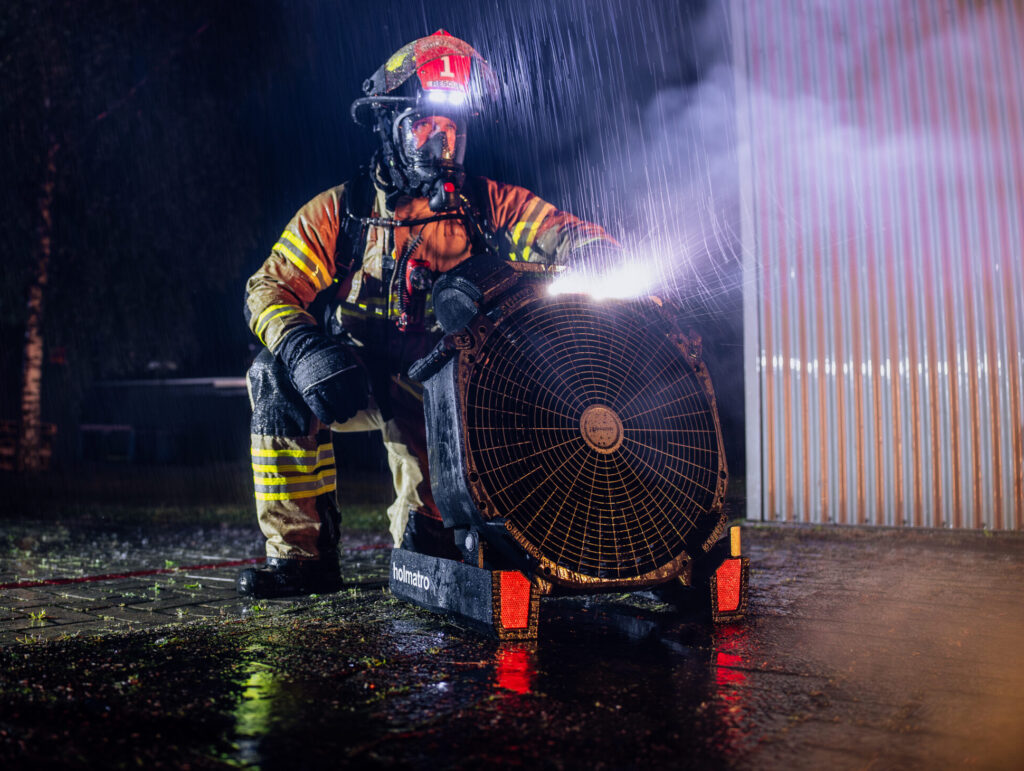
Holmatro expands into ventilation technology with its first battery-powered PPV, combining airflow precision, operational usability and integrated battery systems to support modern firefighting tactics and safety. Please introduce yourself and give us an insight into your role at Holmatro.   My name is Bas Coremans, and I have been working at Holmatro since 2008. I started my career in the R&D department as a Product Development Engineer, where I was closely involved in the design and development of hydraulic rescue tools. Working alongside other engineers, rescue consultants and experienced end users gave me a strong technical foundation and a deep understanding of how equipment is used in real rescue scenarios.   In 2018, I made the transition to product management. In my current role, I act as the link between end users, engineering and sales. My focus is on translating operational needs into reliable, innovative solutions that help rescue teams work more safely, efficiently and effectively in the field.   Holmatro recently unveiled its first Positive Pressure Ventilator (PPV). Please explain how this technology works.   PPV is a tactic used by firefighters. By creating controlled overpressure, the fan pushes clean air into safe zones and forces contaminated air out, improving visibility and safety for both firefighters and civilians.    In practice, effective PPV depends on the relationship between two factors: airflow and air pressure. Airflow refers to the volume of air moved, while air pressure determines how effectively that air can be driven into and through a structure, particularly when resistance is present. Both are necessary, but their relative importance changes depending on the ventilation scenario.   Effective ventilation depends on the right balance between high airflow and high pressure:   Large air volumes rapidly clear smoke, heat and toxic gases.   Powerful overpressure drives clean air deep into structures, protects escape routes, and maintains safe zones.    The result is faster ventilation and safer working conditions during smoke and gas removal, PPV defense and PPV attack.    The airstream performance is defined by both airflow and air pressure. It is important to have both a high-flow and high-pressure airstream to be ready for any ventilation challenge.   Why are airflow and air pressure both important in PPV applications?   It is quite easy to develop a ventilator which just moves a lot of air, it is significantly more complex to develop a ventilator with an airstream that is completely optimised for all ventilation tactics used by firefighters.     You do not just want a high airflow, but you also need high air pressure and need to concentrate all of your airstream where it is needed the most. Usually the door of a building.   When removing smoke and toxic gases from smaller structures with little resistance, you mainly need a high airflow and only a modest pressure is needed.   For defensive ventilation, when for example you want to over pressurise a stairwell to prevent smoke from entering, you mainly need high air pressure and only a modest airflow.   But when you want to do a Positive Pressure Attack or ventilate buildings with a complex layout, you need both high airflow and high air pressure, as the PPV must overcome resistance while maintaining effective smoke movement.    This is why it’s so crucial that Holmatro PPV delivers both.   TO READ THE FULL ARTICLE READ THE LATEST ISSUE HERE.

Ask the expert – Holmatro Read More »

IFE launches annual FIRE Conference. firebuyer.com

IFE launches annual FIRE Conference

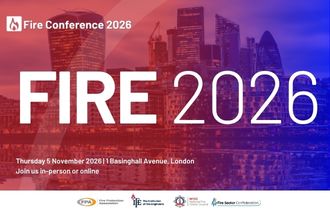
The annual FIRE Conference will return on Thursday, November 5, bringing together leading figures from the fire safety and built environment sectors to focus on building a fire resilient future. The one-day hybrid event will take place at 1 Basinghall Avenue in London and online, providing delegates with opportunities for insight, collaboration and practical discussion on the major issues shaping fire and building safety. Sector collaboration The conference is jointly developed by the Fire Protection Association, Institution of Fire Engineers (IFE), National Fire Chiefs Council and the Fire Sector Confederation. Organisers said the event aims to help drive progress across the sector while strengthening resilience through shared learning and discussion. For the first time since the conference launched, the programme will move away from breakout sessions in favour of a more streamlined and focused format designed to explore key subjects in greater depth. Key conference topics Sessions throughout the day will examine major issues affecting the sector, including whether the Building Safety Act is working, how competence can be improved across the industry and what the Government’s priorities should be in 2027. The programme will also review recent international fire incidents and explore how lessons learned overseas can help improve fire safety practices in the UK. Discussions on the mental health and wellbeing of fire safety professionals will also form part of the agenda. Networking opportunities Attendees will have opportunities to engage directly with sector leaders and subject matter experts through regular audience question and answer sessions. The conference will also provide networking opportunities with organisations across the sector, including headline partner PartB, drinks reception partner Siderise and session partners RiskBase and Global HSE. The event will conclude with a drinks reception aimed at encouraging further discussion, collaboration and professional networking among delegates. A spokesperson for the conference organising team said: “FIRE Conference brings together leaders, regulators, and practitioners from across the fire safety industry to align on regulatory reforms, emerging risks, and the challenges facing the fire sector. “We are proud that in this rapidly changing landscape, we can hold a forum for the industry to come together and shape what’s next as we progress towards a more robust and accountable system of fire and building safety.” Jamie Davis, Group Chief Technical Officer of headline partner PartB, said: “We’re once again proud to sponsor the FIRE Conference. “We firmly believe in coming together, assessing where we are and what we need to do to reach a robust, accountable system of fire and building safety. “For us, this has been about providing the complete fire engineering and risk reduction solution – not simply solving one part of one problem with one service, but expanding our services to ensure all fire safety matters for our clients and partners are taken care of; all using engineering-backed ‘real world’ and experience-led solutions. “We’re pleased to join the conference again this year to take stock of where we are – and to keep the focus on where we need to go.”

IFE launches annual FIRE Conference Read More »

Berlin Fire Department fleet fully connected through ZF Rescue Connect. Firebuyer.com

Berlin Fire Department fleet fully connected through ZF Rescue Connect

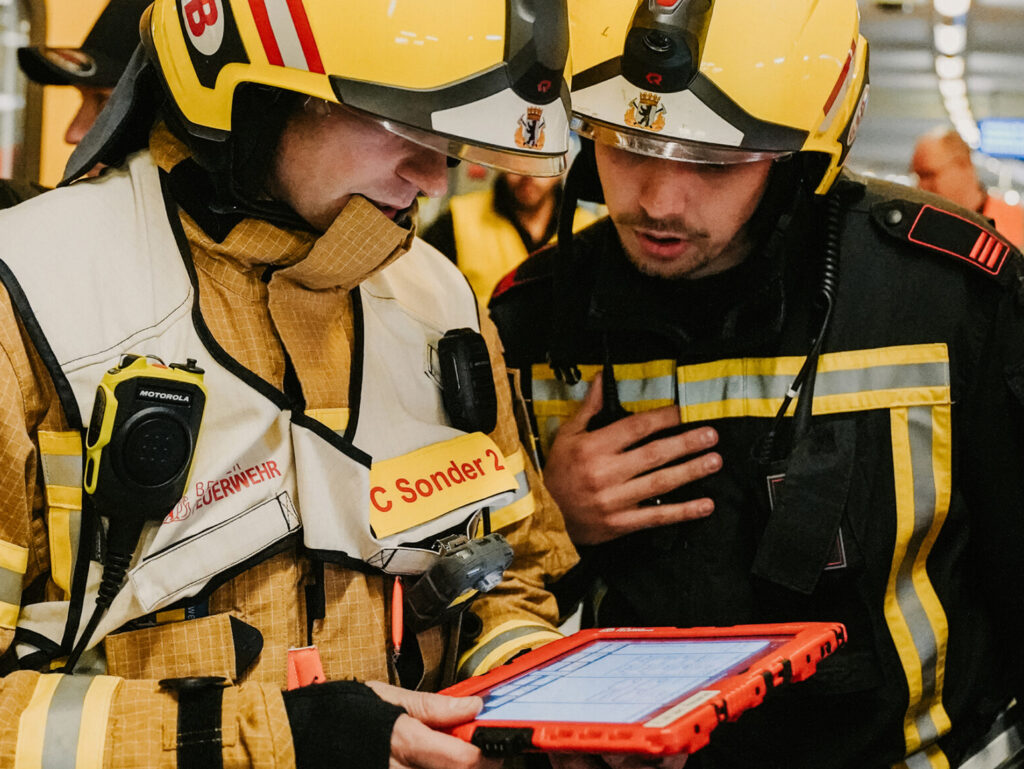
ZF and the Berlin Fire Department have reached a major milestone in the digitalisation of emergency response and fleet management, with the German capital’s entire fire service fleet now connected through the ZF Rescue Connect platform. Just two and a half years after the project launched in 2023, around 1,100 vehicles across more than 100 locations are now digitally connected to the cloud-based system. Digital emergency response network The Berlin Fire Department operates in one of Europe’s most demanding emergency response environments, serving more than 3.8 million residents across a dense urban infrastructure and numerous large-scale events. In 2025 alone, the service responded to more than 558,000 calls, equating to almost one emergency every minute. ZF Rescue Connect links vehicles, emergency responders, control centres and equipment through a single digital platform designed to improve operational transparency, efficiency and safety. Fleet management and real-time data ZF said the platform extends beyond traditional fleet management through the integration of workshops, control centres and medical equipment. The system collects data from drivetrains, chassis systems, special equipment and vehicle bodies through several hundred tags and more than 700 telematics gateways and connectivity devices installed over the last 12 months. Across the entire fleet, Berlin now generates between one and 1.5 million data points every minute. The Berlin Fire Department has also integrated boats into the routing system, enabling real-time location tracking. Long-term partnership ZF Rescue Connect provides vehicle and status management, mission documentation, resource overviews and interfaces with existing IT and control centre systems. The manufacturer-independent platform is designed for fire departments, emergency medical services, disaster response organisations and other emergency agencies. ZF said it will unveil a fully revamped product portfolio at Interschutz in Hanover in June under the slogan “New Digital Operations World”, featuring more than 25 existing and planned applications for emergency response agencies. Markus Kaiser, Key Account Manager at ZF and responsible for the Berlin Fire Department account, said: “The demanding operational environment of the Berlin Fire Department provides us with an almost ideal setting to demonstrate the wide range of applications for ZF Rescue Connect. “Here, it becomes impressively clear how far our platform extends beyond traditional fleet management – for example, by integrating workshops, control centres, and even medical equipment into a single digital solution.” Maximilian Krause, Project Manager for Digital Fleet Management and Head of Vehicle Product Management at the Berlin Fire Department, said: “In Berlin, we can truly say that, thanks to our excellent ability to ‘read’ data, we are increasingly able to stay ahead of the curve. “During operations, we are already anticipating many developments today. This increasingly puts us in a position to act rather than react. For fleet management, data-driven decisions are worth their weight in gold.” “We can now assess areas whose significance we did not fully recognize in the past.”

Berlin Fire Department fleet fully connected through ZF Rescue Connect Read More »

Doug Mayer, Blackline Safety. Firebuyer.com

Quick Fire – Doug Mayer

Doug Mayer, Senior Business Development Director Fire Hazmat and ER, Blackline Safety   What made you want to work in the safety industry?   I kind of fell into it after college in the mid ’80s, working for a safety equipment company. I enjoyed helping people stay safe, and that evolved into getting involved more specifically in the hazmat arena, which led to gas detection.    If you didn’t work in the industry, what do you think you would be doing?   I’d be a firefighter or someone in public safety. So, it would still be safety, just a little different.   Are there any particular trends you are seeing with gas detection today?    Organisations are moving more towards connected safety. I really enjoy the education around that and making an impact with the connected aspect of gas detection, allowing people to do more with less. You have got gas detection capabilities, lone worker capabilities plus the integration of technologies into common platforms. Blackline is a nice conduit to allow that to happen.    What does safety mean to you?    Allowing people to protect themselves and the community at large. That sounds simple, but it is also comprehensive.    What do you consider to be your greatest success, either professionally or outside of work?    I think just the ability to adapt within my professional career.  TO READ THE FULL ARTICLE READ THE LATEST ISSUE HERE.

Quick Fire – Doug Mayer Read More »

Scroll to Top