Staging Site!

Quick Fire – Jotty Sondh, Allegion

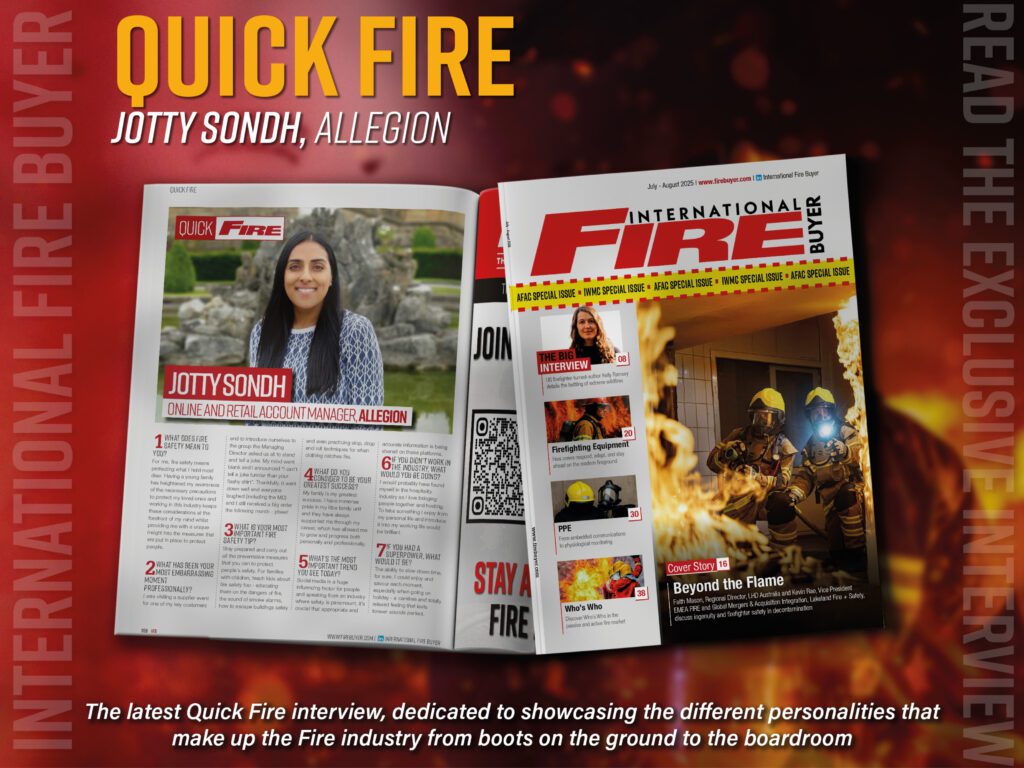
What does fire safety mean to you? For me, fire safety means protecting what I hold most dear. Having a young family has heightened my awareness of the necessary precautions to protect my loved ones and working in this industry keeps these considerations at the forefront of my mind whilst providing me with a unique insight into the measures that are put in place to protect people. What has been your most embarrassing moment professionally? I was visiting a supplier event for one of my key customers and to introduce ourselves to the group the Managing Director asked us all to stand and tell a joke. My mind went blank and I announced “I can’t tell a joke funnier than your flashy shirt”. Thankfully, it went down well and everyone laughed (including the MD) and I still received a big order the following month – phew! What is your most important fire safety tip? Stay prepared and carry out all the preventative measures that you can to protect people’s safety. For families with children, teach kids about fire safety too – educating them on the dangers of fire, the sound of smoke alarms, how to escape buildings safely and even practicing stop, drop and roll techniques for when clothing catches fire. What do you consider to be your greatest success? My family is my greatest success. I have immense pride in my little family unit and they have always supported me through my career, which has allowed me to grow and progress both personally and professionally. What’s the most important trend you see today? Social media is a huge influencing factor for people and speaking from an industry where safety is paramount, it’s crucial that appropriate and accurate information is being shared on these platforms. If you didn’t work in the industry, what would you be doing? I would probably have found myself in the hospitality industry as I love bringing people together and hosting. To take something I enjoy from my personal life and introduce it into my working life would be brilliant. If you could be part of any fictional universe, book, film or TV, what would it be? I love Sherlock Holmes and if I could have been a part of that, whether a character in the books or the TV show, I imagine it would be fascinating. I seem to have a knack of guessing plot lines and knowing who it is when it comes to a ‘whodunnit’ story so I could make a great sidekick to Sherlock! If you had a superpower, what would it be? The ability to slow down time, for sure. I could enjoy and savour each moment, especially when going on holiday – a carefree and totally relaxed feeling that lasts forever sounds perfect. What is your favourite activity outside of work? Travelling with my family is always top of my list. Our weekends are usually full of trips all over the place, from mini breaks in Europe to exploring the hidden gems closer to home. Next up, Scotland! What advice would you give somebody looking to enter the industry? Educate yourself on the regulations and other components that work hand in hand with fire safety products. It’s also useful to network and attend industry events to keep yourself current and prepared for what’s around the corner. By developing a full picture and insight into the industry, you can further your understanding on what can be improved and spot areas where there may be gaps. To read the full article see our latest issue here.

Quick Fire – Jotty Sondh, Allegion Read More »
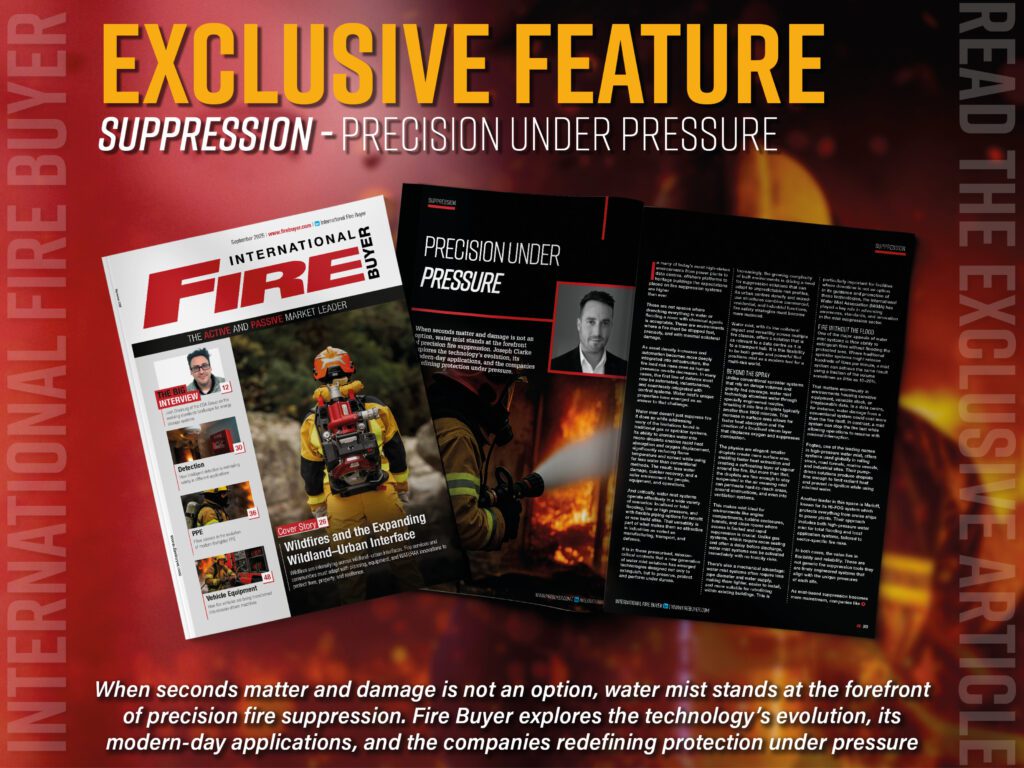
Suppression – Precision Under Pressure

When seconds matter and damage is not an option, water mist stands at the forefront of precision fire suppression. Joseph Clarke explores the technology’s evolution, its modern-day applications, and the companies redefining protection under pressure. In many of today’s most high-stakes environments—from power plants to data centres, offshore platforms to heritage buildings—the expectations placed on fire suppression systems are higher than ever. These are not spaces where drenching everything in water or flooding a room with chemical agents is acceptable. These are environments where a fire must be stopped fast, precisely, and with minimal collateral damage. As asset density increases and automation becomes more deeply integrated into infrastructure, the fire load risk rises even as human presence on-site decreases. In many cases, the first line of defence must now be automated, instantaneous, and seamlessly integrated with control systems. Water mist’s unique properties have emerged as an answer to that challenge. Water mist doesn’t just suppress fire—it does so while addressing many of the limitations found in traditional gas or sprinkler systems. Its ability to atomise water into micro-droplets enables rapid heat absorption and oxygen displacement, significantly reducing flame temperature and spread while using far less water than conventional methods. The result: less water damage, quicker recovery, and a safer environment for people, equipment, and operations. And critically, water mist systems operate effectively in a wide variety of scenarios: localised or total flooding, low or high pressure, and with flexible piping options for retrofit or new build alike. That versatility is part of what makes them so attractive in industries as varied as manufacturing, transport, and defence. It is in these pressurised, mission-critical contexts that a new generation of water mist solutions has emerged—technologies designed not only to extinguish, but to preserve, protect and perform under duress. Increasingly, the growing complexity of built environments is driving a need for suppression solutions that can adapt to unpredictable risk profiles. As urban centres densify and mixed-use structures combine commercial, residential, and industrial functions, fire safety strategies must become more nuanced. Water mist, with its low collateral impact and versatility across multiple fire classes, offers a solution that is as relevant to a data centre as it is to a transport hub. It is this flexibility—to be both gentle and powerful—that positions mist as a modern tool for a multi-risk world. Unlike conventional sprinkler systems that rely on deluge volumes and gravity-fed coverage, water mist technology atomises water through specially engineered nozzles, breaking it into fine droplets typically smaller than 1000 microns. This increase in surface area allows for faster heat absorption and the creation of a localised steam layer that displaces oxygen and suppresses combustion. The physics are elegant: smaller droplets create more surface area, enabling faster heat extraction and creating a suffocating layer of vapour around the fire. But more than that, the droplets are fine enough to stay suspended in the air—meaning mist can permeate hard-to-reach areas, around obstructions, and even into ventilation systems. To read the full article see our latest issue here.

Suppression – Precision Under Pressure Read More »

Vehicle Equipment – Built to Serve

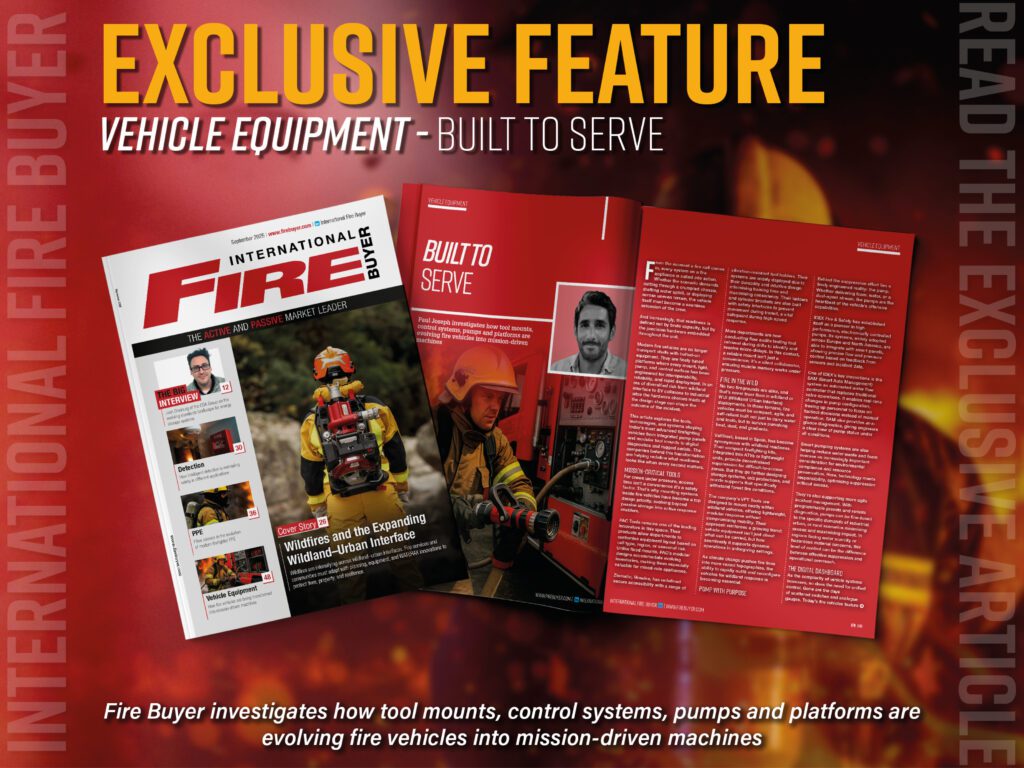
Paul Joseph investigates how tool mounts, control systems, pumps and platforms are evolving fire vehicles into mission-driven machines. From the moment a fire call comes in, every system on a fire appliance is called into action. Whether the scenario demands cutting through a crumpled chassis, drafting water uphill, or deploying across uneven terrain, the vehicle itself must become a seamless extension of the crew. And increasingly, that readiness is defined not by brute capacity, but by the precision hardware embedded throughout the unit. Modern fire vehicles are no longer transport shells with bolted-on equipment. They are finely tuned platforms where every mount, light, pump, and control surface has been engineered for interoperability, reliability, and rapid deployment. In an era of diversified risk—from wildland interface to EV collisions to industrial sites—the hardware choices made at the design stage can shape the outcome of the incident. This article explores the tools, technologies, and systems shaping today’s most advanced firefighting vehicles—from integrated pump panels and modular tool mounts to digital diagnostics and rugged aerials. The companies behind this transformation are helping redefine what readiness looks like when every second matters. For crews under pressure, access time isn’t a convenience—it’s a safety factor. That’s why mounting systems inside fire vehicles have become a top design priority, evolving beyond passive storage into active response enablers. PAC Tools remains one of the leading innovators in this space. Their products allow departments to customise equipment layout based on call type, region, or seasonal risk. Unlike fixed mounts, PAC’s modular designs accommodate evolving inventories, making them especially valuable for mixed-role appliances. Ziamatic, likewise, has redefined secure accessibility with a range of vibration-resistant tool holders. Their systems are widely deployed due to their durability and intuitive design—minimising training time and maximising consistency. Their ladders and cylinder brackets are also built with safety interlocks to prevent movement during transit, a vital safeguard during high-speed response. More departments are now conducting flow audits—testing tool retrieval during drills to identify and resolve micro-delays. In this context, a reliable mount isn’t just a convenience; it’s a silent collaborator, ensuring muscle memory works under pressure. No two firegrounds are alike, and that’s never truer than in wildland or WUI (Wildland Urban Interface) deployments. In these terrains, fire vehicles must be compact, agile, and self-reliant—built not just to carry water and tools, but to survive punishing heat, dust, and gradients. Vallfirest, based in Spain, has become synonymous with wildland readiness. Their compact firefighting kits, integrated into ATVs or lightweight units, provide decentralised suppression for difficult-to-access zones. But they go further—designing storage systems, cab protections, and nozzle supports that specifically withstand forest fire conditions. The company’s VFT Tools are designed to mount neatly within wildland vehicles, offering lightweight, modular response without compromising mobility. Their approach reinforces a growing trend: vehicle equipment isn’t just about what can be carried, but how seamlessly it supports dynamic operations in unforgiving settings. As climate change pushes fire lines into more varied topographies, the ability to rapidly outfit and reconfigure vehicles for wildland response is becoming essential. To read the full article see our latest issue here.

Vehicle Equipment – Built to Serve Read More »

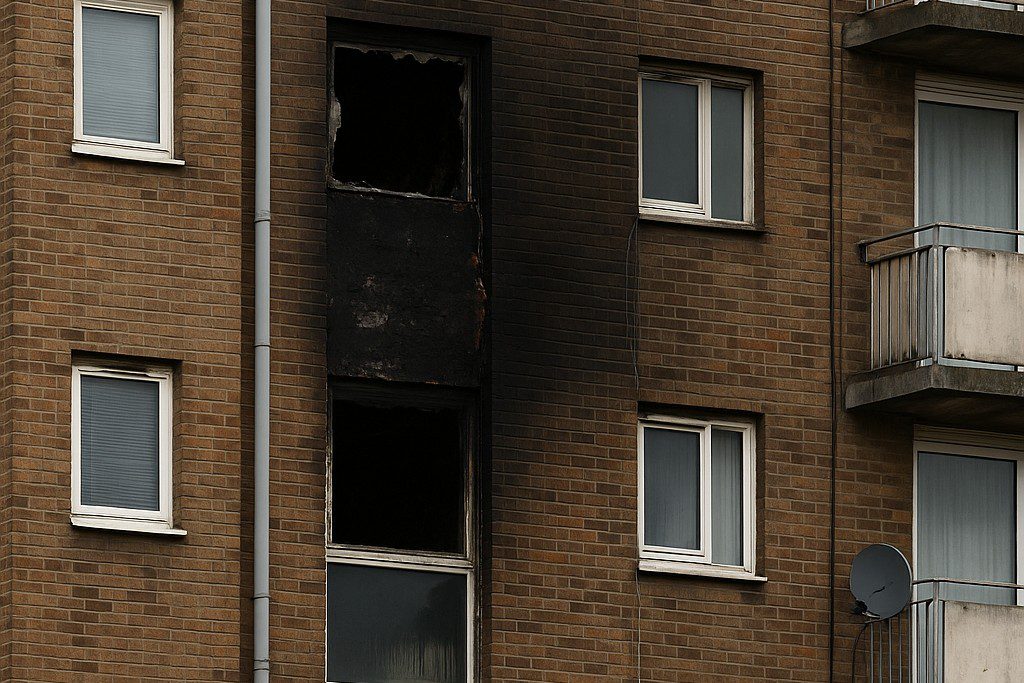
Picture of flat fire - Photo by Fire Buyer

Awaab’s Law Sets New Fire Safety Standard

New legislation coming into force this autumn is set to reshape fire and housing safety obligations across the social rented sector in England. From 27 October 2025, Awaab’s Law will require social landlords to act within strict timeframes to address all emergency hazards, including those related to fire, as well as damp and mould issues that pose a significant risk to tenant health or safety. The new rules mark a significant legal shift, compelling action from landlords or risking legal consequences. The legislation takes its name from Awaab Ishak, a two-year-old boy who died in 2020 from a respiratory condition caused by long-term exposure to mould in his social housing flat. Repeated complaints from his family were ignored, prompting national outrage and the eventual introduction of stronger regulatory safeguards through the Social Housing (Regulation) Act 2023. Awaab’s Law inserts legally binding terms into tenancy agreements for social housing, mandating that landlords comply with specific safety obligations. These include investigating emergency hazards within 24 hours and beginning essential safety works within five working days of identifying a significant or emergency risk. The new rules allow tenants to pursue legal action for breach of contract if their landlords fail to comply, in addition to standard complaints procedures and access to the Housing Ombudsman. While the first phase of the regulations will focus on emergency and damp-related hazards, the scope will expand in 2026 to cover a wider range of threats. These will include fire hazards, electrical issues, excessive heat and cold, and risks related to structural collapse, falls, or hygiene. By 2027, the law will extend to nearly all remaining risks outlined under the Housing Health and Safety Rating System (HHSRS), excluding overcrowding. Crucially, fire safety is one of the central components of the upcoming 2026 expansion. Under the regulations, landlords will be required to address any fire-related hazard that presents a significant risk of harm within legally defined timeframes. This reflects growing concern about housing safety in light of recent fire tragedies and continues broader national efforts to strengthen building safety legislation. The government has adopted a phased rollout of Awaab’s Law to allow for testing, learning, and effective enforcement. However, it stresses that social landlords must continue meeting all existing legal duties in the meantime—including ensuring homes are free from Category 1 fire or health hazards under the Housing Act 2004. The legislation will also require landlords to provide tenants with written summaries of hazard investigations, keep them updated throughout the process, and, if necessary, secure suitable alternative accommodation at the landlord’s expense if safety works cannot be completed on time. Guidance has been issued to help registered providers of social housing—both local authorities and private housing associations—navigate their responsibilities. A separate guide for tenants is expected before the law comes into effect in October 2025. The adoption of Awaab’s Law represents a landmark shift in accountability and fire safety in social housing, placing greater emphasis on landlord responsibility and giving tenants new tools to ensure their homes are safe, habitable, and free from dangerous hazards.

Awaab’s Law Sets New Fire Safety Standard Read More »

Picture of IWMC 25 - Photo by Rebecca Spayne - Fire Buyer

IWMC 2025 Comes to a Close

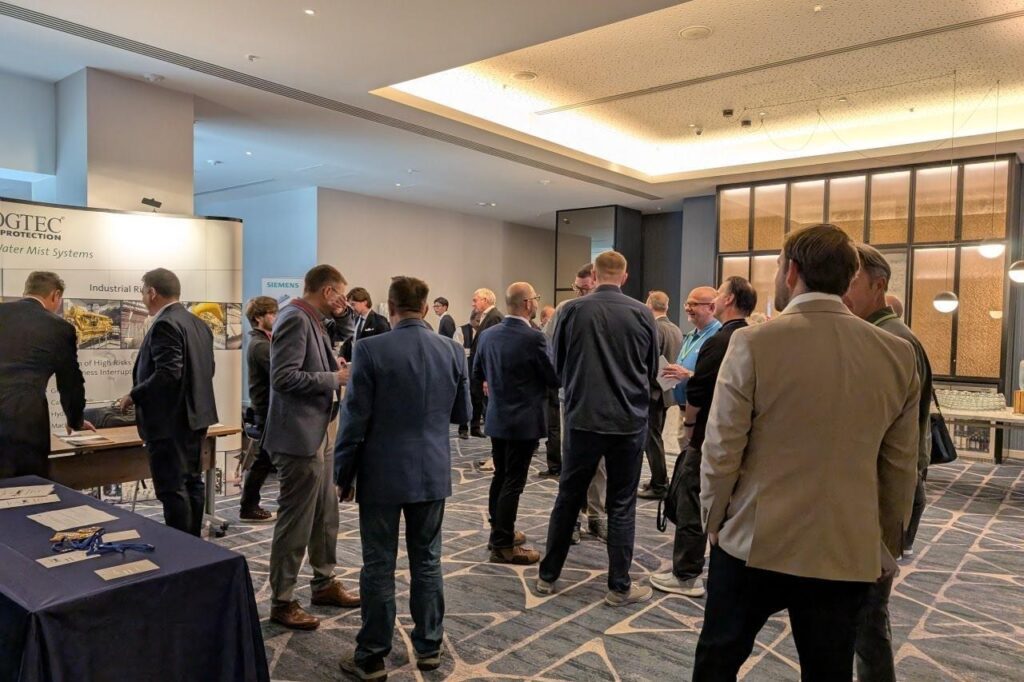
The 24th International Water Mist Conference drew to a close today in Manchester, where International Fire Buyer was in attendance to witness a pivotal moment in the evolution of fire suppression technology. Over two days, leading voices from industry, academia and policy convened to spotlight the role of water mist systems in shaping modern fire safety. Hosted by the International Water Mist Association (IWMA), the event delivered 24 expert-led presentations and a keynote panel on UK standardisation. The agenda reflected a sector in transition, as engineers and fire professionals face mounting pressures from urban densification, decarbonisation and increasingly complex building environments. One of the standout moments was a detailed case study on the restoration of Notre Dame Cathedral. Following its catastrophic fire in 2019, the project team selected high-pressure water mist to protect the historic interior without compromising architectural integrity. Presented by Marioff’s Antti Hurme, the session highlighted both the technical ingenuity and sensitivity required to retrofit suppression systems into centuries-old heritage sites. Another key discussion focused on the vertical city. Rüdiger Kopp of Fogtec explored how water mist systems are helping future-proof high-rise buildings such as Berlin’s Gasometer, citing faster activation, reduced water damage and improved compliance with standards like VdS 3188. The findings reinforced the system’s suitability for dense, vertical environments where traditional sprinklers may fall short. As data centres expand to meet growing AI demands, delegates also heard how water mist is being positioned as a frontline defence against fire risk in high-tech environments. Riccardo Cerati of VID Firekill argued that mist systems offer critical adaptability for spaces with lithium-ion batteries, high thermal loads and immersion-cooled servers, where legacy sprinklers often prove inadequate. Across the programme, sessions examined the trade-offs between preservation and performance, the integration of mist in hybrid systems, and the hydraulic design challenges in mixed-use or historic buildings. With applications stretching from transport and culture to high-density housing and infrastructure, the conference reaffirmed the growing relevance of water mist in fire safety’s most demanding scenarios. As IWMC 2025 wrapped up, delegates departed with a renewed sense of urgency — and possibility — for the role of intelligent suppression in a world where resilience, sustainability and precision are increasingly inseparable.

IWMC 2025 Comes to a Close Read More »

Picture of Hyfire Taurus Wireless Door Holder poster - Photo by Hyfire - Fire Buyer

Hyfire Taurus Wireless Door Holder Enhances Fire Safety

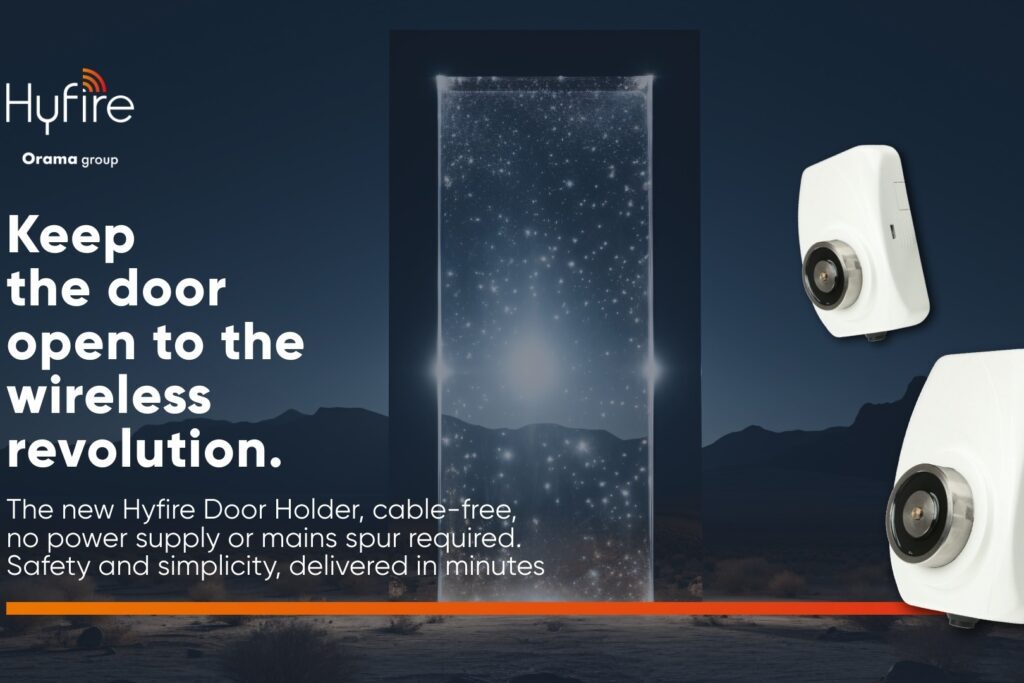
Hyfire has announced the launch of its new Taurus Wireless Door Holder, delivering a smart, reliable solution to one of fire safety’s most long-standing challenges. The device is designed to allow fire doors to remain open for day-to-day use, closing automatically in the event of a fire alarm. By integrating modern monitoring capabilities, the Taurus Wireless Door Holder not only improves safety but also provides reassurance and convenience for building managers, installers, and end users. The Taurus solution offers real-time monitoring of battery status, radio signal strength, tamper detection, and door supervision options. This ensures full visibility of system performance at all times, supporting compliance while reducing risk. For centuries, fire doors have evolved as a critical element of fire protection, from simple wooden doors in ancient cities to today’s timber-core models providing 30 or 60 minutes of resistance. Regulations such as the Fire Safety Act 2021 and Fire Safety (England) Regulations 2022 underline their importance as a mandatory safeguard in buildings across the UK. Hyfire’s latest innovation builds on this legacy by combining the proven effectiveness of fire doors with modern wireless technology. The Taurus Wireless Door Holder ensures safety is never compromised, while supporting the practical needs of busy environments. A spokesperson for Hyfire said: “The Taurus Wireless Door Holder is a major step forward in fire door safety. By enabling day-to-day convenience while ensuring rapid, automatic closure in an emergency, it provides complete peace of mind and reflects our ongoing commitment to innovation in life safety solutions.” With the launch of the Taurus Wireless Door Holder, Hyfire continues to reinforce its position at the forefront of fire protection technology, offering products that safeguard lives and support safer communities.

Hyfire Taurus Wireless Door Holder Enhances Fire Safety Read More »

Picture of Hochiki Europe logo - Photo by Hochiki Europe - Fire Buyer

Hochiki Europe to Exhibit at Intersec Saudi

Among the exhibitors at Intersec Saudi will be Hochiki Europe, bringing more than a century of fire detection expertise to the Riyadh showcase. The company will highlight why its focus on fire safety continues to earn the trust of developers, consultants and engineers across the Kingdom. Taking place from 29 September to 1 October at the Riyadh International Convention and Exhibition Centre, the event will provide visitors with a chance to see Hochiki’s advanced life safety systems in action. These solutions are designed specifically to perform in the Middle East’s demanding conditions, where extreme heat, rapid construction schedules and strict regulatory standards create unique challenges. Hochiki will present both EN and UL-certified products, including detectors tested and approved to the latest UL 268 7th Edition standard, which is now required under the Saudi Building Code and Civil Defence regulations. This edition brings tougher requirements for smoke detection, ensuring systems can better distinguish real fire events from nuisance alarms while improving overall reliability. On display will be the Ekho hybrid wireless fire detection system, suited to retrofits, heritage buildings and complex installations, alongside the Latitude fire control panel with Hotel Mode to minimise guest disruption during alarms. Hochiki will also showcase its marine and specialist ranges, developed for ports, offshore platforms and heavy industrial sites. With manufacturing facilities in Japan, the UK and the US, and products tested to aerospace-level standards, the company has established a reputation for reliability in hospitals, schools, high-rises and commercial developments across Saudi Arabia. Aligned with Saudi Arabia’s Vision 2030 initiative, Hochiki has reaffirmed its commitment to supporting safer communities through local partnerships, globally proven technology and a singular focus on fire detection.

Hochiki Europe to Exhibit at Intersec Saudi Read More »

Picture of NFPA logo - Photo by NFPA - Fire Buyer

Global Fire Chiefs Unite at NFPA Forum

NFPA hosted fire chiefs from Australia, Canada, Mexico, the Netherlands, Slovenia, the United Kingdom and the United States in Quincy, Massachusetts, last week for the annual Urban Fire Forum. The 2025 event brought together leaders from some of the world’s largest metropolitan departments to advance international collaboration and address the most urgent issues shaping today’s fire and emergency services. The two-day forum explored challenges such as wildfire-driven urban conflagrations, lithium-ion battery hazards, data-driven planning and national mutual aid. Chiefs also discussed the evolving role of fire service leadership in shaping safety policy and public confidence. Delegates formally endorsed five position papers that now stand as official UFF-Metropolitan Fire Chiefs guidance, providing frameworks to strengthen firefighter safety, enhance national coordination and defend the integrity of codes and standards. In addition, the forum approved an informational bulletin offering tactical considerations for tackling lithium-ion battery electric vehicle fires, produced in collaboration with the Fire Protection Research Foundation. NFPA President and CEO Jim Pauley praised the event’s outcomes, stressing the association’s mission to ensure departments of all sizes can access the latest guidance to protect their communities. Distinguished speakers included representatives from the United States Fire Administration, the AFAC National Council for Fire and Emergency Services, the Federation of European Fire Officers, the UK Government and the International Fire & Rescue Services. The chiefs emphasised the importance of unity in addressing global threats, pointing to the rise of large-scale disasters and new hazards that demand shared strategies. Otto Drozd III, Executive Secretary of the Metro Chiefs and facilitator of the forum, said the endorsed deliverables show the fire service is focused on leadership, standardisation and emerging risks such as wildfire conflagrations and lithium-ion fires. The forum also highlighted contributions from researchers and technical experts in firefighter health, community risk reduction and fire safety science. Collectively, the event underlined the critical need for collaboration across government, industry and academia to support safer, more resilient communities worldwide.

Global Fire Chiefs Unite at NFPA Forum Read More »

Picture of Stephanie Hovey - Photo by Telgian Fire Safety - Fire Buyer

Telgian Fire Safety Announces Leadership Promotions

Telgian Fire Safety has expanded its leadership team with the promotion of two long-serving members to vice president roles, reinforcing its commitment to operational excellence and customer protection. Stephanie Hovey has been appointed Vice President of Inspection Operations, stepping up from her role as Senior Manager of Client and Vendor Operations. She will now lead inspection, testing and maintenance services across the business, ensuring critical fire and life safety systems are ready to perform when required. With more than 15 years of experience in operations management and customer service, she brings a strong focus on protecting people and property through compliance and preparedness. Valerie Olivas has also been promoted, taking on the position of Vice President of Repair Operations. She will oversee repair services for fire and life safety systems nationwide, helping facilities maintain operational reliability and compliance. Since joining Telgian in 2007, Olivas has developed wide-ranging expertise in the logistical and technical challenges of the industry, making her well-placed to lead this area of the business. Telgian Fire Safety President Dan Vandergriff said the promotions highlighted the impact of both leaders on the company’s success and future direction. He praised their vision, dedication and contribution to raising standards in fire protection services across the country. Since its founding in 1985, Telgian Fire Safety has built a reputation as a trusted provider of testing, inspection and repair for fire and life safety systems. The company supports more than 50,000 client locations each year, offering services from fire sprinklers and alarms to extinguishers, special hazard systems and monitoring, with a focus on standardised processes and consistent quality across multi-site operations.

Telgian Fire Safety Announces Leadership Promotions Read More »

Picture of fire vehicles - Photo by Magirus - Fire buyer

Magirus Acquires Achleitner to Expand Portfolio

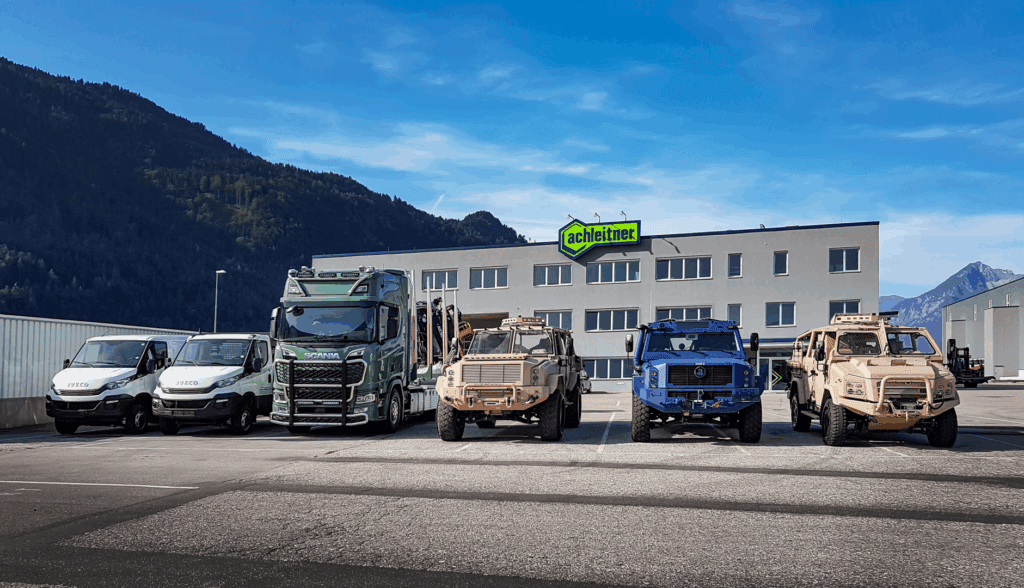
Magirus GmbH has signed an agreement to acquire Achleitner Fahrzeugbau GmbH, marking a strategic move to expand its portfolio of mission-critical vehicles. The deal, announced on 1 October 2025, will see the long-established manufacturer of firefighting and disaster control technology add Achleitner’s expertise in customised special-purpose vehicles to its offering. The Austrian company is a leader in robust all-wheel-drive and armoured solutions, designed for demanding terrain and complex operating conditions. The acquisition will create new opportunities for Magirus to serve fire departments and emergency services that operate in difficult environments, as well as security and defence applications. By combining Achleitner’s off-road and armoured vehicle capabilities with Magirus’ established firefighting and disaster response technology, the company will broaden its ability to deliver highly specialised vehicles for extreme and safety-related missions. Fatmir Veselaj, CEO of Magirus GmbH, highlighted the significance of the agreement, stating that the acquisition was a vital step in the company’s transformation plan. He noted that Achleitner’s expertise would strengthen Magirus’ capacity and allow it to offer customers a wider range of advanced solutions. The transaction is expected to be completed in the fourth quarter of 2025, subject to customary closing conditions.

Magirus Acquires Achleitner to Expand Portfolio Read More »

Scroll to Top