
New legislation coming into force this autumn is set to reshape fire and housing safety obligations across the social rented sector in England.
From 27 October 2025, Awaab’s Law will require social landlords to act within strict timeframes to address all emergency hazards, including those related to fire, as well as damp and mould issues that pose a significant risk to tenant health or safety. The new rules mark a significant legal shift, compelling action from landlords or risking legal consequences.
The legislation takes its name from Awaab Ishak, a two-year-old boy who died in 2020 from a respiratory condition caused by long-term exposure to mould in his social housing flat. Repeated complaints from his family were ignored, prompting national outrage and the eventual introduction of stronger regulatory safeguards through the Social Housing (Regulation) Act 2023.
Awaab’s Law inserts legally binding terms into tenancy agreements for social housing, mandating that landlords comply with specific safety obligations. These include investigating emergency hazards within 24 hours and beginning essential safety works within five working days of identifying a significant or emergency risk. The new rules allow tenants to pursue legal action for breach of contract if their landlords fail to comply, in addition to standard complaints procedures and access to the Housing Ombudsman.
While the first phase of the regulations will focus on emergency and damp-related hazards, the scope will expand in 2026 to cover a wider range of threats. These will include fire hazards, electrical issues, excessive heat and cold, and risks related to structural collapse, falls, or hygiene. By 2027, the law will extend to nearly all remaining risks outlined under the Housing Health and Safety Rating System (HHSRS), excluding overcrowding.
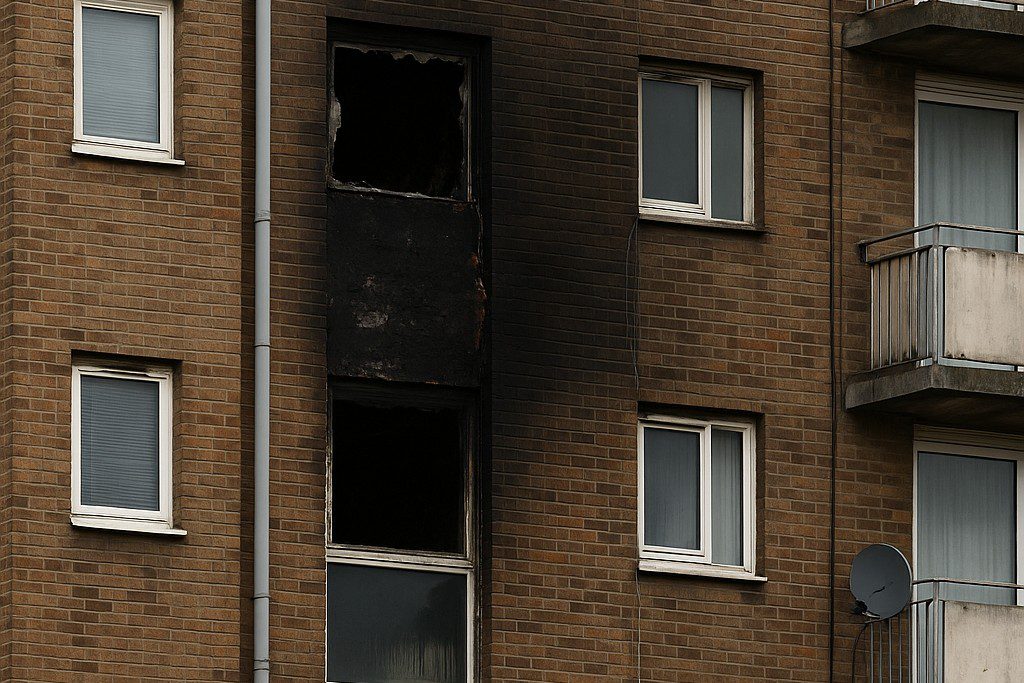
Crucially, fire safety is one of the central components of the upcoming 2026 expansion. Under the regulations, landlords will be required to address any fire-related hazard that presents a significant risk of harm within legally defined timeframes. This reflects growing concern about housing safety in light of recent fire tragedies and continues broader national efforts to strengthen building safety legislation.
The government has adopted a phased rollout of Awaab’s Law to allow for testing, learning, and effective enforcement. However, it stresses that social landlords must continue meeting all existing legal duties in the meantime—including ensuring homes are free from Category 1 fire or health hazards under the Housing Act 2004.
The legislation will also require landlords to provide tenants with written summaries of hazard investigations, keep them updated throughout the process, and, if necessary, secure suitable alternative accommodation at the landlord’s expense if safety works cannot be completed on time.
Guidance has been issued to help registered providers of social housing—both local authorities and private housing associations—navigate their responsibilities. A separate guide for tenants is expected before the law comes into effect in October 2025.
The adoption of Awaab’s Law represents a landmark shift in accountability and fire safety in social housing, placing greater emphasis on landlord responsibility and giving tenants new tools to ensure their homes are safe, habitable, and free from dangerous hazards.