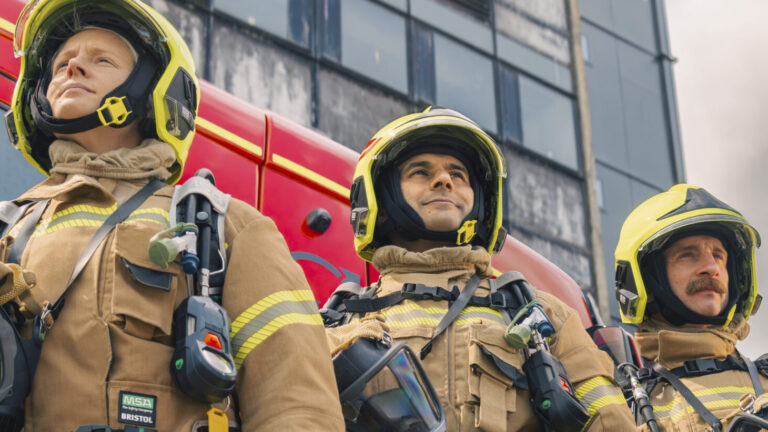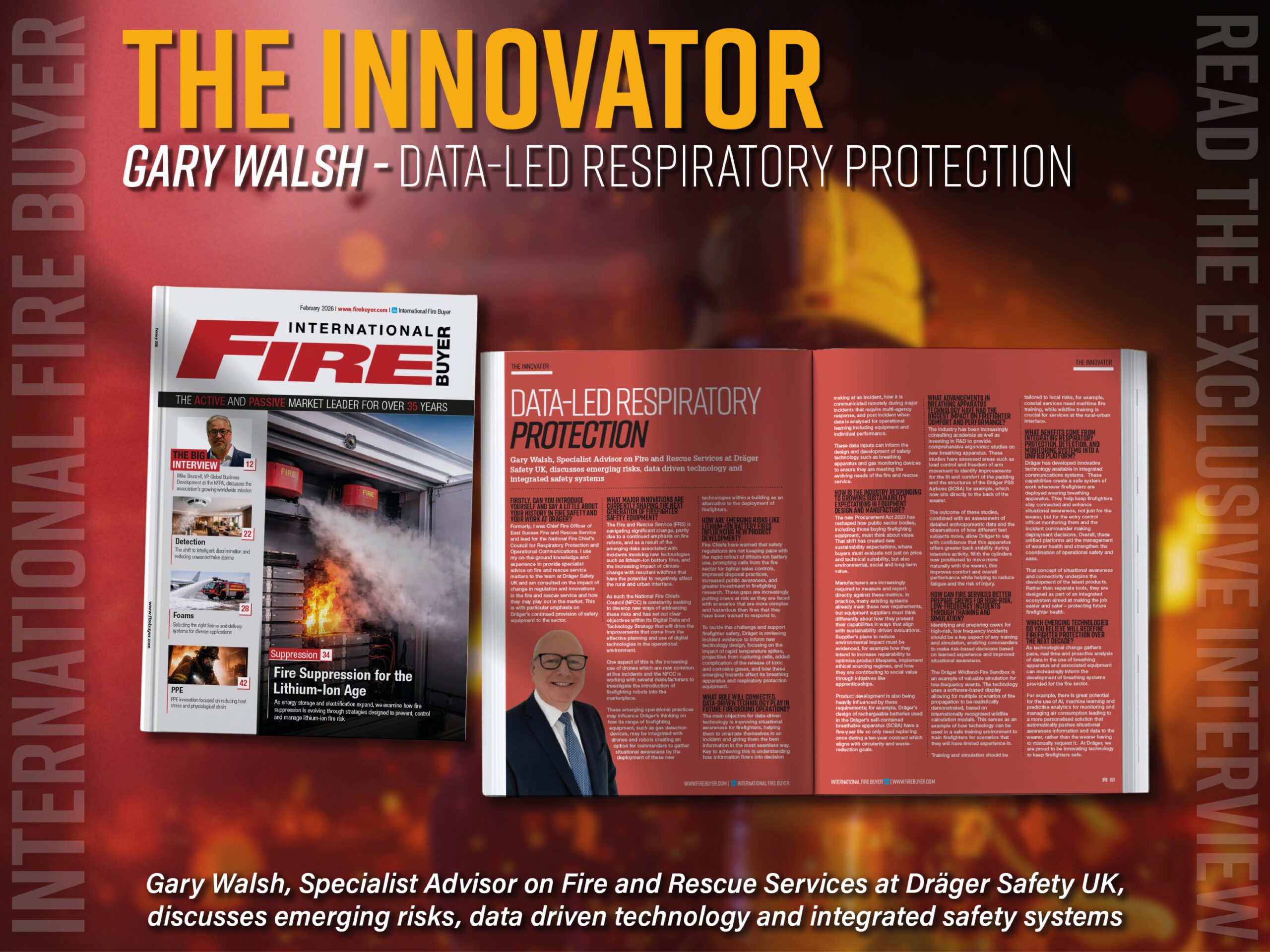

Gary Walsh, Specialist Advisor on Fire and Rescue Services at Dräger Safety UK, discusses how emerging risks, data driven technology and integrated safety systems are shaping the next generation of firefighter protection.
Firstly, can you introduce yourself and say a little about your history in fire safety and your work at Dräger?
Formerly, I was Chief Fire Officer of East Sussex Fire and Rescue Service and lead for the National Fire Chief’s Council for Respiratory Protection and Operational Communications. I use my on-the-ground knowledge and experience to provide specialist advice on fire and rescue service matters to the team at Dräger Safety UK and am consulted on the impact of change in regulation and innovations in the fire and rescue service and how they may play out in the market. This is with particular emphasis on Dräger’s continued provision of safety equipment to the sector.
What major innovations are currently shaping the next generation of firefighter safety equipment?
The Fire and Rescue Service (FRS) is navigating significant change, partly due to a continued emphasis on fire reform, and as a result of the emerging risks associated with incidents involving new technologies such as lithium-ion battery fires, and the increasing impact of climate change with resultant wildfires that have the potential to negatively affect the rural and urban interface.
As such the National Fire Chiefs Council (NFCC) is constantly seeking to develop new ways of addressing these risks and has set out clear objectives within its Digital Data and Technology Strategy that will drive the improvements that come from the effective planning and use of digital technologies in the operational environment.
One aspect of this is the increasing use of drones which are now common at live incidents and the NFCC is working with several manufacturers to investigate the introduction of firefighting robots into the marketplace.
These emerging operational practices may influence Dräger’s thinking on how its range of firefighting equipment, such as gas detection devices, may be integrated with drones and robots creating an option for commanders to gather situational awareness by the deployment of these new technologies within a building as an alternative to the deployment of firefighters.
How are emerging risks like lithium-ion battery fires influencing new product development?
Fire Chiefs have warned that safety regulations are not keeping pace with the rapid rollout of lithium-ion battery use, prompting calls from the fire sector for tighter sales controls, improved disposal practices, increased public awareness, and greater investment in firefighting research. These gaps are increasingly putting crews at risk as they are faced with scenarios that are more complex and hazardous than fires that they have been trained to respond to.
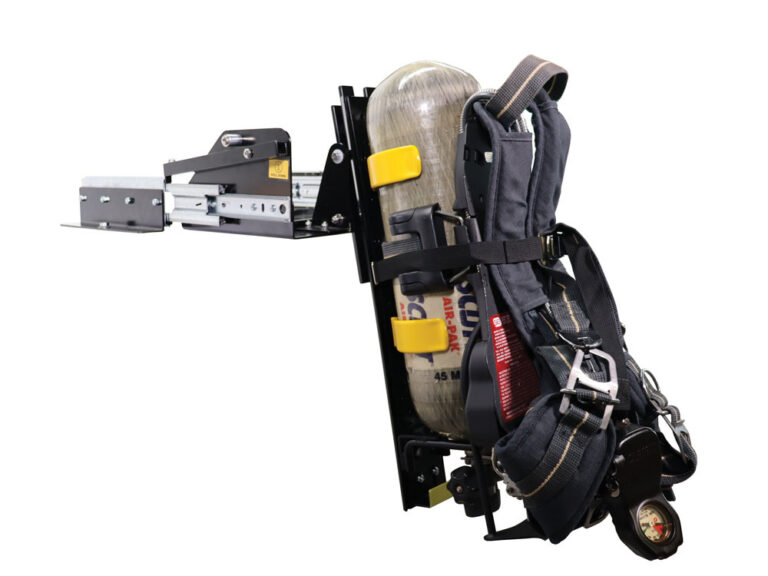
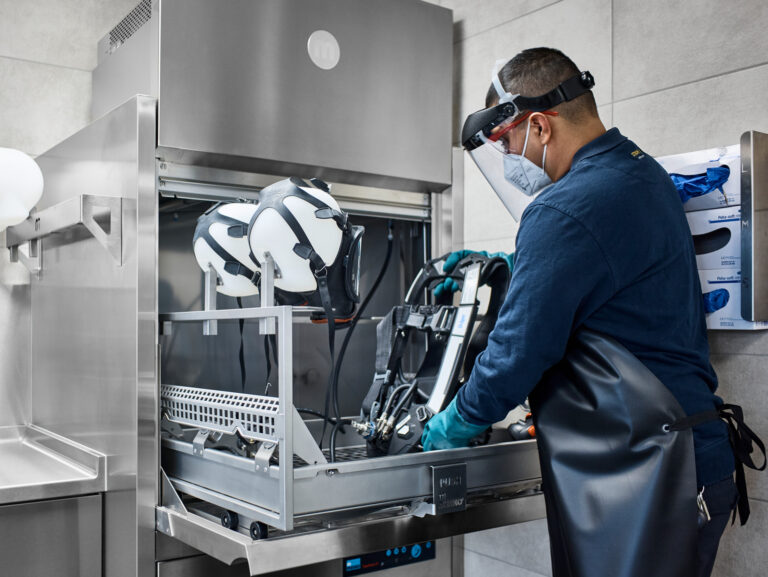
To tackle this challenge and support firefighter safety, Dräger is reviewing incident evidence to inform new technology design, focusing on the impact of rapid temperature spikes, projectiles from rupturing cells, added complication of the release of toxic and corrosive gases, and how these emerging hazards affect its breathing apparatus and respiratory protection equipment.
TO READ THE FULL ARTICLE READ THE LATEST ISSUE HERE.