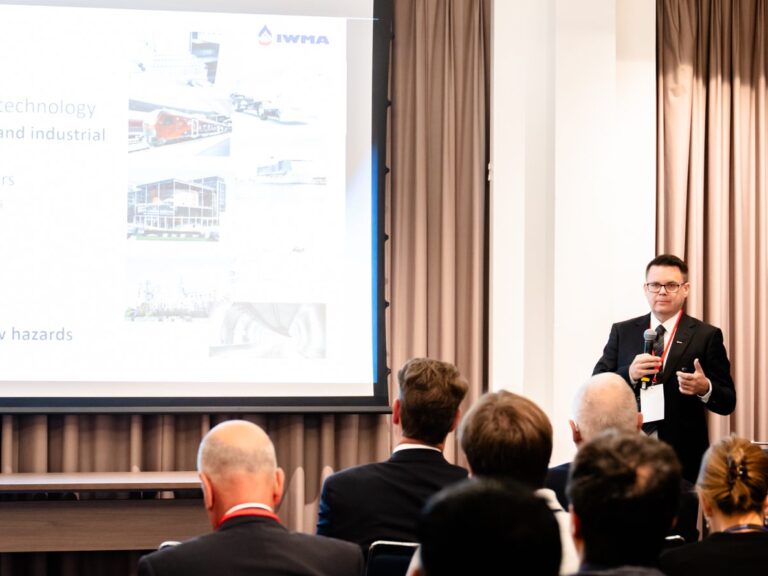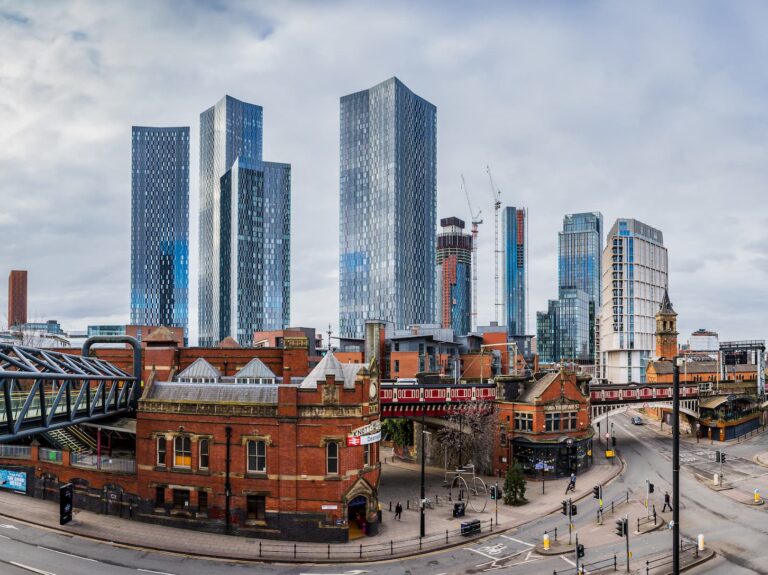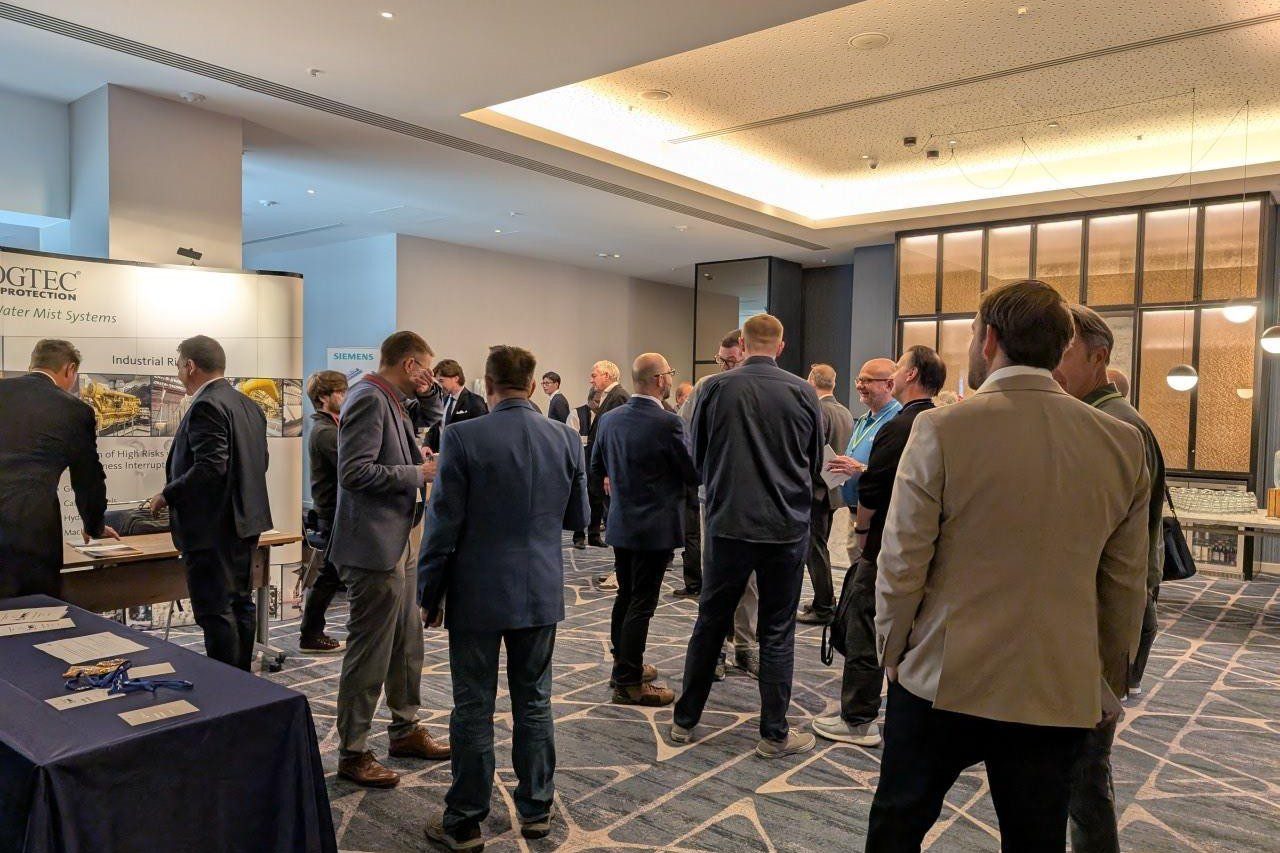

The 24th International Water Mist Conference drew to a close today in Manchester, where International Fire Buyer was in attendance to witness a pivotal moment in the evolution of fire suppression technology.
Over two days, leading voices from industry, academia and policy convened to spotlight the role of water mist systems in shaping modern fire safety.
Hosted by the International Water Mist Association (IWMA), the event delivered 24 expert-led presentations and a keynote panel on UK standardisation.
The agenda reflected a sector in transition, as engineers and fire professionals face mounting pressures from urban densification, decarbonisation and increasingly complex building environments.
One of the standout moments was a detailed case study on the restoration of Notre Dame Cathedral. Following its catastrophic fire in 2019, the project team selected high-pressure water mist to protect the historic interior without compromising architectural integrity.
Presented by Marioff’s Antti Hurme, the session highlighted both the technical ingenuity and sensitivity required to retrofit suppression systems into centuries-old heritage sites.
Another key discussion focused on the vertical city. Rüdiger Kopp of Fogtec explored how water mist systems are helping future-proof high-rise buildings such as Berlin’s Gasometer, citing faster activation, reduced water damage and improved compliance with standards like VdS 3188.
The findings reinforced the system’s suitability for dense, vertical environments where traditional sprinklers may fall short.
As data centres expand to meet growing AI demands, delegates also heard how water mist is being positioned as a frontline defence against fire risk in high-tech environments.
Riccardo Cerati of VID Firekill argued that mist systems offer critical adaptability for spaces with lithium-ion batteries, high thermal loads and immersion-cooled servers, where legacy sprinklers often prove inadequate.
Across the programme, sessions examined the trade-offs between preservation and performance, the integration of mist in hybrid systems, and the hydraulic design challenges in mixed-use or historic buildings.
With applications stretching from transport and culture to high-density housing and infrastructure, the conference reaffirmed the growing relevance of water mist in fire safety’s most demanding scenarios.
As IWMC 2025 wrapped up, delegates departed with a renewed sense of urgency — and possibility — for the role of intelligent suppression in a world where resilience, sustainability and precision are increasingly inseparable.