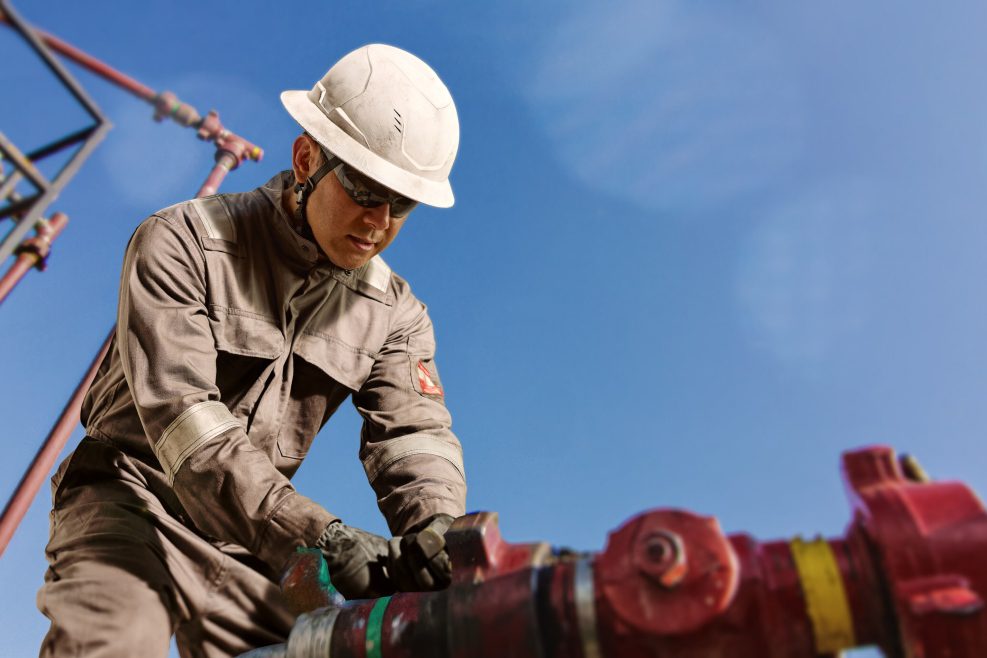

MSA Safety has unveiled two new products designed to meet the evolving needs of high-risk industries—including the fire and rescue sector—at the 2025 National Safety Congress and Expo in Denver.
The launch includes the V-Gard H2 Full Brim Safety Helmet and the ALTAIR io 6 Multigas Detector, both aimed at improving protection, monitoring and decision-making in hazardous environments.
For fire and emergency professionals, these additions signal a clear push toward more integrated, real-time safety solutions that can support frontline responders in unpredictable and dynamic situations.
The new V-Gard H2 Full Brim Helmet expands MSA’s established head protection range with enhanced coverage against falling debris, radiant heat and lateral impacts. Built to ANSI Type II certification, the helmet includes a secure chinstrap, wide brim for peripheral shielding, and compatibility with other V-Gard accessories—vital for integrating comms, visors or light modules on scene.
It also offers optional integration of the Mips rotational impact system, a technology developed to reduce the risk of brain injury from angled force, increasingly relevant in rescue operations involving structural collapse, confined space or vehicular incidents.
Designed with flexibility in mind, the helmet can be quickly branded for identity or role differentiation and is now available to order.
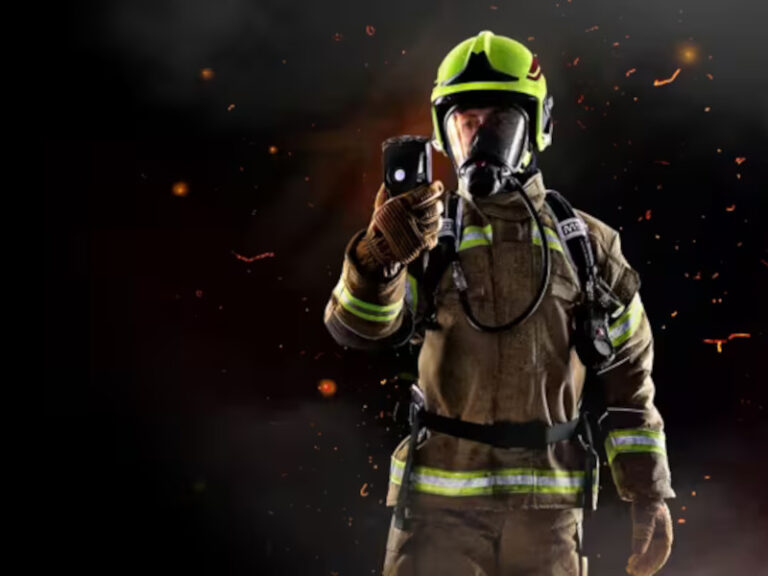
Alongside it, MSA introduced the ALTAIR io 6 Multigas Detector—its first cellular-connected device with an integrated pump. Engineered for use in confined space entry, post-fire overhaul, and hazmat sampling, the detector offers advanced sensor capabilities and a rugged, handheld design suitable for both rapid deployment and extended use on scene.
The io 6 links directly into MSA’s Connected Work Platform, integrating with the existing ALTAIR io 4 wearable for continuous personal monitoring. Both devices share the same interface and feed data into MSA Grid, a cloud-based system that allows incident commanders and safety officers to monitor gas exposure, device alerts and location data in real time—ideal for large-scale response or mutual aid situations.
The system supports quicker decision-making when operating in unknown or compromised atmospheres, and may enhance pre-entry checks, accountability processes and post-incident analysis.
Stephanie Sciullo, President of MSA Americas, said the company remains focused on creating technologies that align with the real-world challenges faced by frontline professionals. The ability to monitor exposure risks in real time, combined with gear that enhances physical safety, reflects a growing demand for integrated tools that improve both operational effectiveness and responder protection.
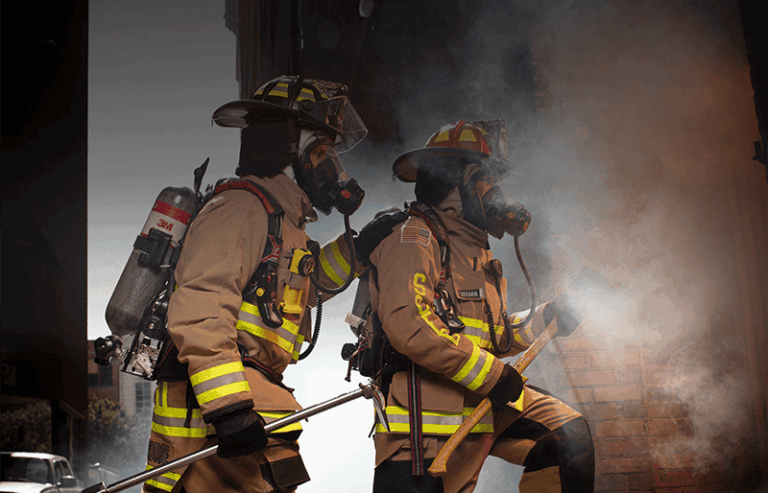
MSA also spotlighted its fall protection systems at the event—including the V-SERIES harnesses and retractable lifelines—along with its respiratory protection products, many of which are already in use by fire brigades around the world.
As fire and rescue services continue to face greater complexity—ranging from toxic gas exposure to structural instability—products like the io 6 and the H2 helmet underscore the need for smarter, connected safety strategies. These tools not only support compliance but can play a critical role in reducing risk and improving response outcomes on the ground.