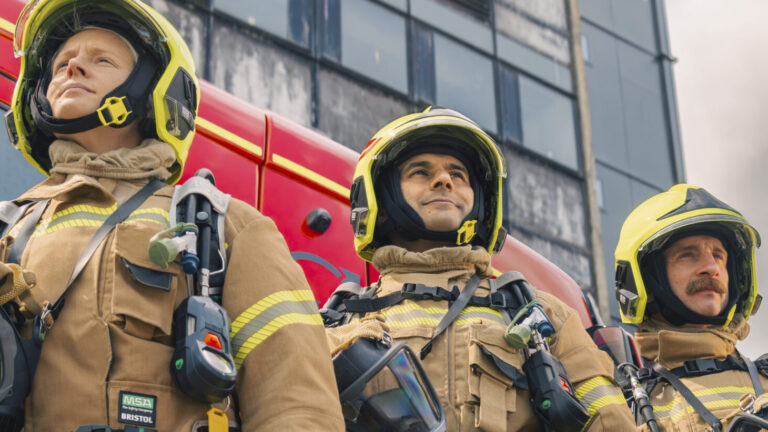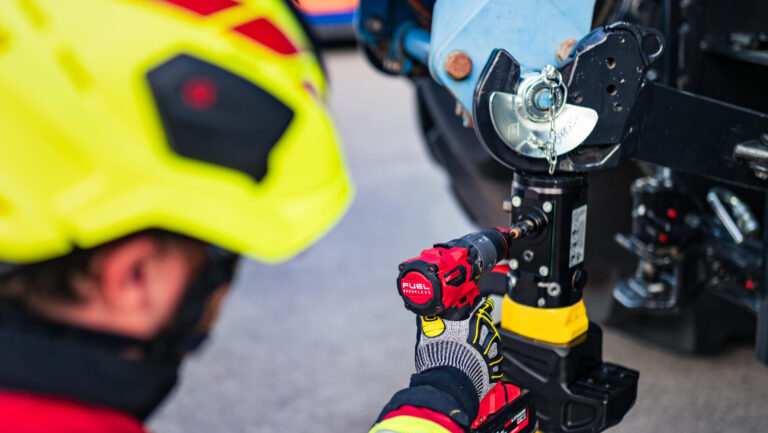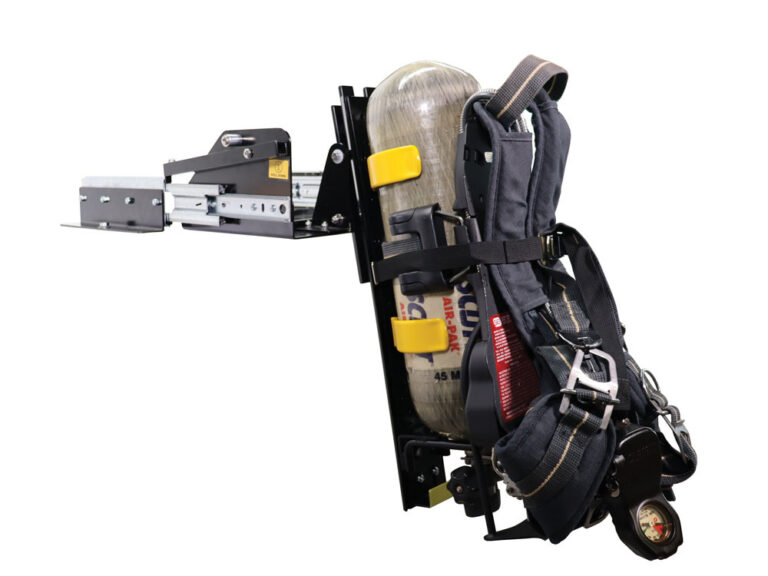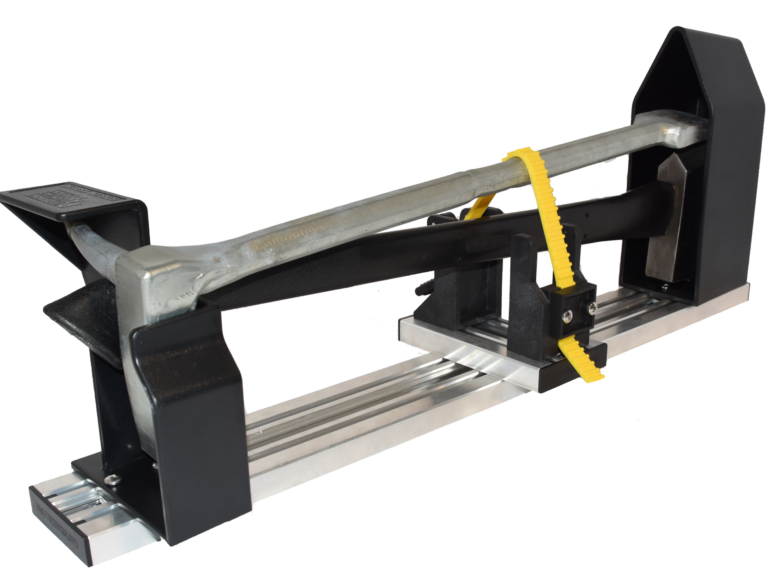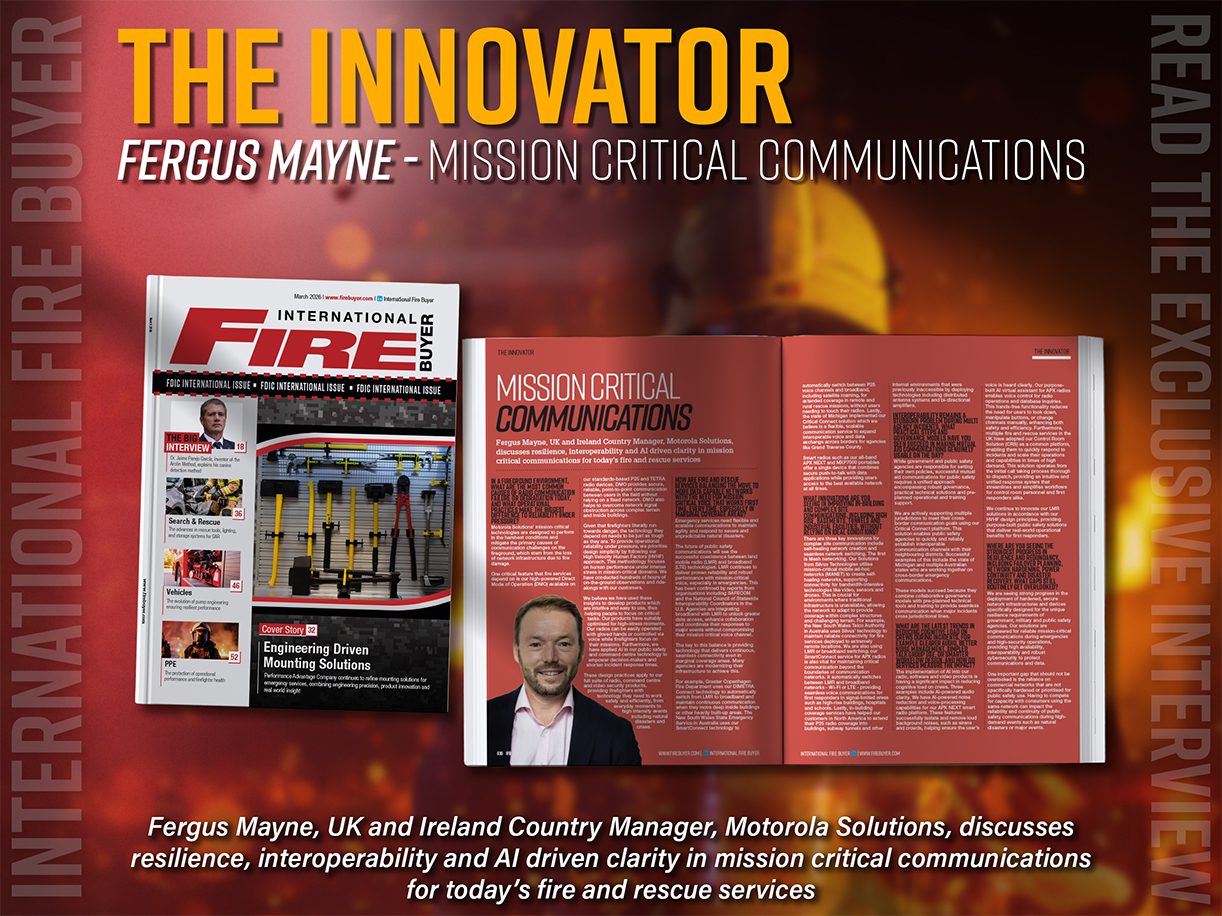

Fergus Mayne, UK and Ireland country manager, Motorola Solutions, discusses resilience, interoperability and AI driven clarity in mission critical communications for today’s fire and rescue services.
In a fireground environment, what are the most common causes of radio communication failure or degradation today, and what operational practices make the biggest difference to reliability under pressure?
Motorola Solutions’ mission-critical technologies are designed to perform in the harshest conditions and mitigate the primary causes of communication challenges on the fireground, which stem from the loss of network infrastructure due to fire damage.
One critical feature that fire services depend on is our high-powered Direct Mode of Operation (DMO) available on our standards-based P25 and TETRA radio devices. DMO provides secure, reliable, point-to-point communication between users in the field without relying on a fixed network. DMO also helps to overcome network signal obstruction across complex terrain and inside buildings.
Given that firefighters literally run towards danger, the technology they depend on needs to be just as tough as they are. To provide operational reliability under pressure, we prioritise design simplicity by following our High Velocity Human Factors (HVHF) approach. This methodology focuses on human performance under intense stress in mission-critical domains. We have conducted hundreds of hours of on-the-ground observations and ride-alongs with our customers.
We believe we have used these insights to develop products which are intuitive and easy to use, thus helping people to focus on critical tasks. Our products have suitably optimised for high-stress moments. Our radios can be easily operated with gloved hands or controlled via voice while firefighters focus on their missions. Furthermore, we have applied AI in our public safety and command centre technology to empower decision-makers and shorten incident response times.
These design practices apply to our full suite of radio, command centre and video security products, providing firefighters with technology they need to work safely and efficiently, from everyday moments to high intensity events including natural disasters and crises.
How are fire and rescue services balancing the move to more data capable networks with the need for mission critical voice that works first time, every time, especially in marginal coverage areas?
Emergency services need flexible and scalable communications to maintain agility and respond to severe and unpredictable natural disasters.
The future of public safety communications will see the successful coexistence between land mobile radio (LMR) and broadband (LTE) technologies. LMR continues to deliver proven reliability and robust performance with mission-critical voice, especially in emergencies. This has been confirmed by reports from organisations including SAFECOM and the National Council of Statewide Interoperability Coordinators in the U.S. Agencies are integrating broadband with LMR to unlock greater data access, enhance collaboration and coordinate their responses to major events without compromising their mission critical voice channel.
The key to this balance is providing technology that delivers continuous, seamless connectivity even in marginal coverage areas. Many agencies are modernizing their infrastructure to achieve this.
For example, Greater Copenhagen Fire Department uses our DIMETRA Connect technology to automatically switch from LMR to broadband and maintain continuous communication when they move deep inside buildings or other heavily built-up areas. The New South Wales State Emergency Service in Australia uses our SmartConnect technology to automatically switch between P25 voice channels and broadband, including satellite roaming, for extended coverage in remote and rural rescue missions, without users needing to touch their radios. Lastly, the state of Michigan implemented our Critical Connect solution which we believe is a flexible, scalable communication service to expand interoperable voice and data exchange across borders for agencies like Grand Traverse County.
Smart radios such as our all-band APX NEXT and MXP7000 portables offer a single device that combines secure push-to-talk with data applications while providing users access to the best available network at all times.
TO READ THE FULL ARTICLE READ THE LATEST ISSUE HERE.