As fires grow in scale and complexity, smarter, integrated equipment is redefining how crews respond, adapt, and stay ahead on the modern fireground. Rebecca Spayne investigates.
The landscape of fire response is changing rapidly. With climate, driven wildfires, expanding urban interfaces, and rising expectations for firefighter safety, equipment is being redefined, not just improved.
Today’s tools must do more than endure; they must think, adapt, and integrate. Across the sector, a quiet revolution is underway. From hose design to pump intelligence, the future of firefighting lies in systems that are not only stronger but smarter.
Among the most telling examples is the evolution of hose technology. High, performance layflat hoses, such as those developed by Gollmer & Hummel, now combine high burst pressure with exceptional kink resistance and lightweight builds. These features are designed not just for durability, but to reduce firefighter fatigue over long hauls.
Meanwhile, broader ranges of attack and supply line solutions are focusing on ergonomic couplings and greater flow efficiency. Manufacturers like Kochek are leading efforts to improve couplings and hydrant connections. These aren’t aesthetic upgrades; they are designed responses to the physical toll and operational speed demanded by modern incidents.
Water delivery, once seen as a simple matter of pressure and quantity, has entered the age of system intelligence. At the core of this transformation is the integration of pump control and flow regulation.
By automating key decisions, pressure regulation, intake switching, and hose line management, advanced systems reduce human error and give incident commanders a real, time picture of water dynamics. In high, stakes environments where seconds matter, automation isn’t a luxury; it’s a safety net.
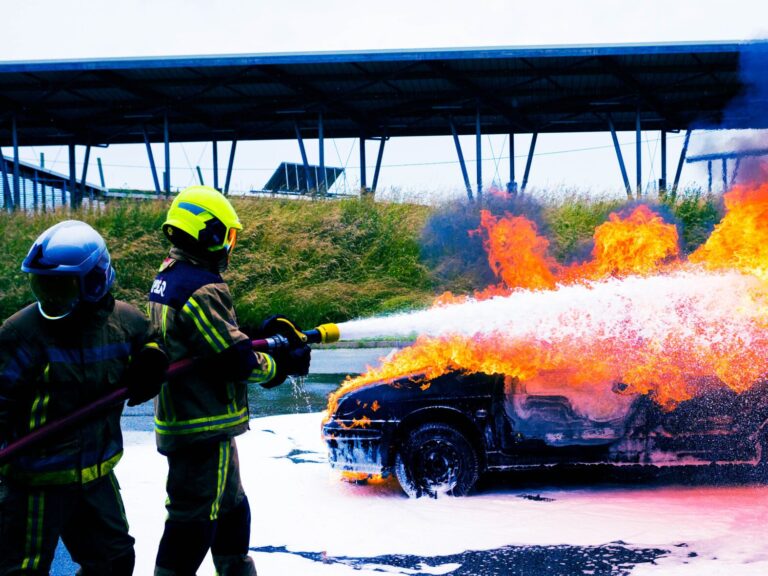
Paired with such systems, proportioning has also seen advances. Mechanical dosing pumps such as those from FireMiks now offer a compelling solution to foam application challenges. Operating entirely from water flow, these units eliminate the need for external power sources while ensuring precise additive injection, particularly relevant where rapid deployment and reliability outweigh digital finesse.
Smart flow control solutions from providers like SAMFlows further enhance system coordination, synchronising pumps and valves with intuitive interfaces that support multi, hose deployment and adaptive intake control in dynamic field scenarios.
“SAMFlows is system that brings intelligent controls to vehicle pump operations,” says Guy Jackson, product manager for SAMFlows. “Developed with the aim of preventing mistakes and errors in pump operations, the system manages water supplies into the pump, ensuring seamless transition from one water source to another so that branch operators get the water they need as long as it is available from one source (tank, hydrant or open water).
“Pump pressure is automatically managed according to the demands put on the pump and individual discharge pressures are delivered and maintained without the need for the pump operator to monitor.”
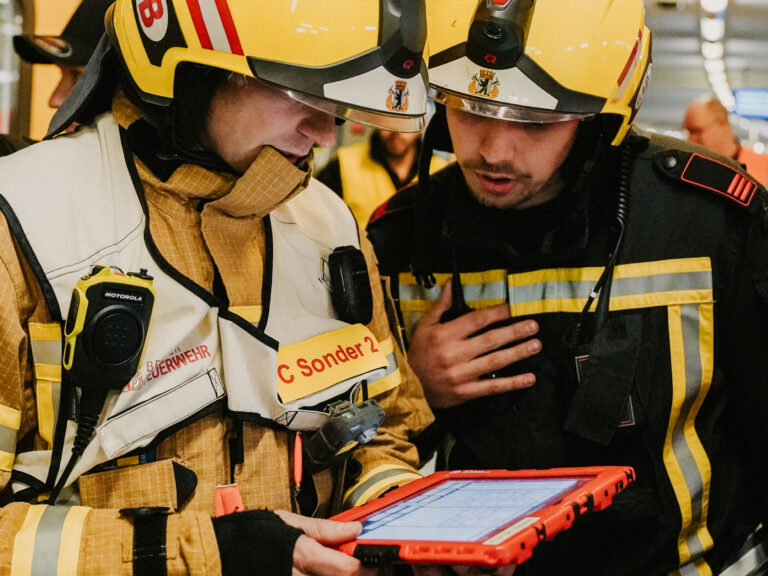
But the shift isn’t just about individual components, it’s about integration. As departments invest in smarter pumps, sensors, and digital dashboards, the days of standalone hardware are numbered. Innovative monitors and nozzles, such as those produced by Elkhart Brass, are increasingly including wireless controls, flow indicators, and compatibility with truck, based data platforms. The focus is on simplifying interface complexity while expanding tactical options, making every drop count without overwhelming the user.
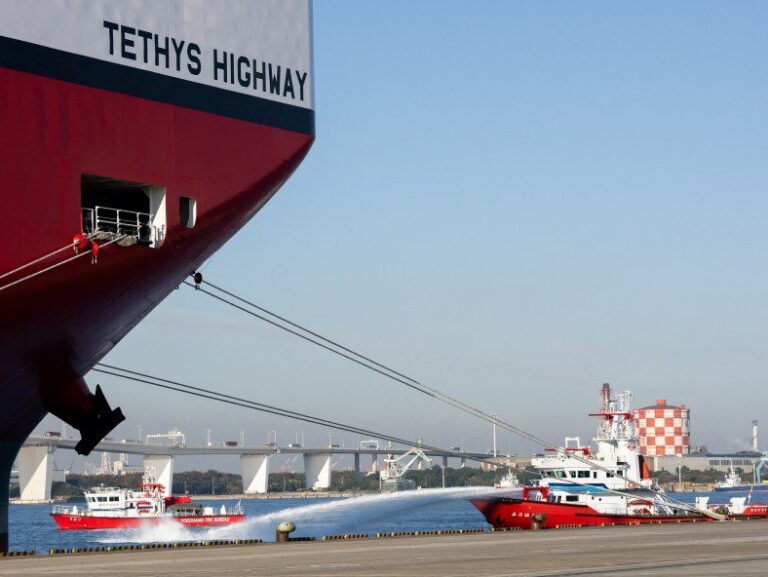
System, level design, where detection, control, and discharge are unified, further highlights the potential for cross, sector learning. As structural and industrial fire challenges evolve, lessons from high, resilience environments like marine and offshore operations are being brought ashore.