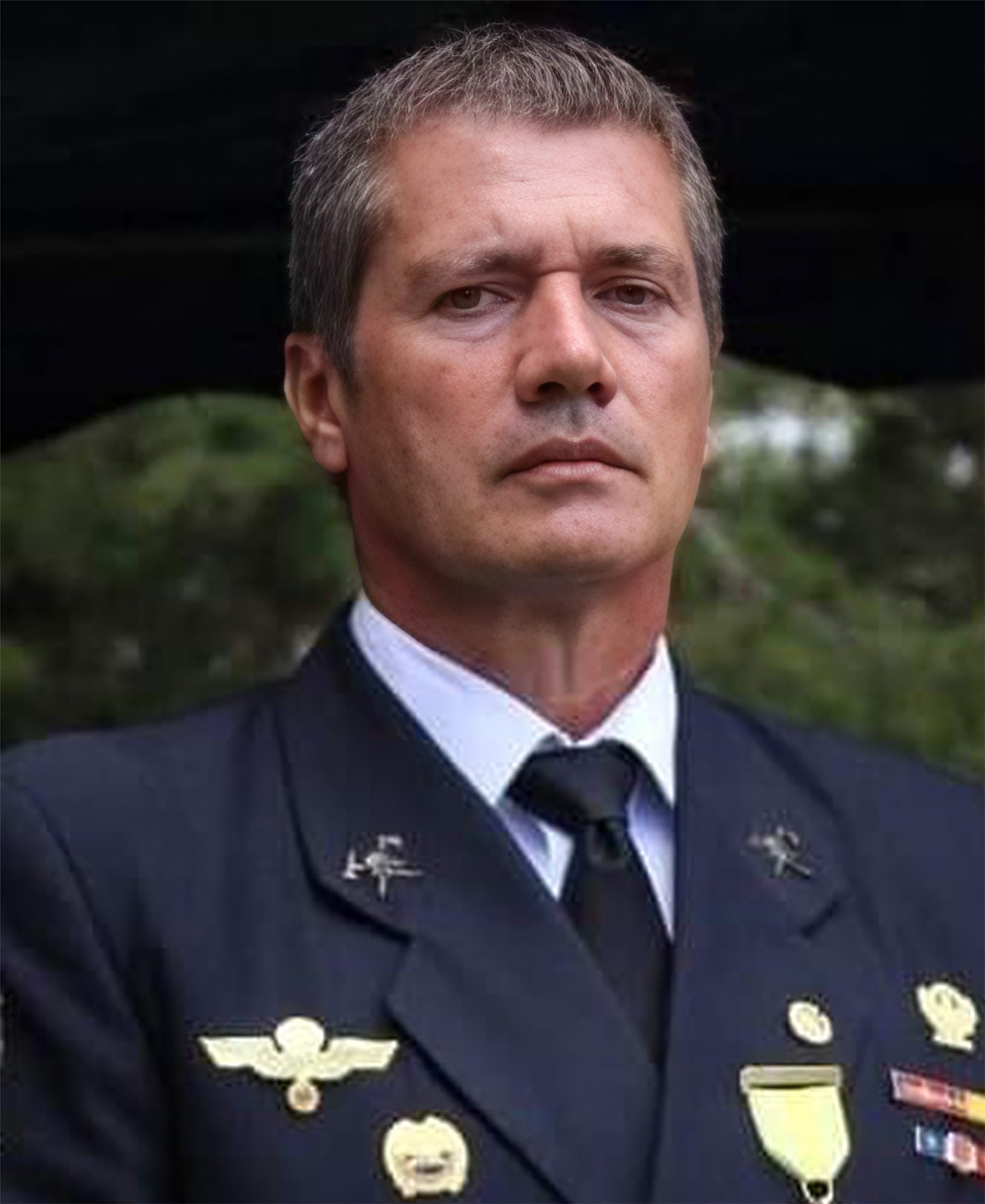

Dr. Jaime Parejo García, inventor of the Arcón Method, explains how his revolutionary canine detection method is applied in the field of search and rescue.
You established the Arcón Method in 1994 following 12 years of research. In the 30 years since its foundation, what challenges and opportunities have you faced in establishing your method within search and rescue circles?
Once I confirmed in Seville that the Arcón Method truly optimised the effectiveness of canine detection, I decided to develop two humanitarian projects. One was the Andalusian Canine Rescue Unit for the region, one of the most seismic areas of Spain and where I live. The second was developing a strategic plan for the Arcón Method in Latin America, aimed at countries with some of the highest seismic risks in the world, in what is known as the Pacific Ring of Fire.
My priority from the beginning of my research was to increase the preservation of human life. Many of the countries at greatest risk from earthquakes and landslides are in Latin America. Through this initiative, we created international training centres, secured official governmental recognition of the method, and specialised canine units in several countries.
My main objectives were to have official training centres whereby universities, firefighter schools, the armed forces and police forces would be accredited to teach the Arcón Method. In total, 14 training centres were accredited. Secondly, governmental approval was necessary to ensure the Arcón Method was accredited as the official system for training canine rescue teams. The main obstacle I encountered was the high complexity and the difficulty of learning scientific advances.
Prior to undertaking your research, what motivations did you have for establishing a new way of training detection dogs?
There were three strong motivations. Firstly, since childhood I have felt an innate interest in observing and studying animal behaviour. Secondly, I felt a deep motivation for saving lives. Lastly, I discovered limitations in the traditional training system used worldwide for detection dogs.
The traditional system is based on operant conditioning. We already know a dog can be trained with the expectation that correct activity will be followed by a reward. I discovered that when the scent level was minimised or when there were adverse conditions, a dog who had been trained with the traditional system often failed to detect the scent. I was motivated by the opportunity to optimise and maximise the cognitive processes in the dog which would directly influence the development of the dog’s olfactory perception. If these are not optimised, in a large percentage of real operations in which we are dealing with buried survivors, they will not be detected.
When I gave a conference to 300 firefighters, military personnel police officers in El Carmen, Ecuador, many of the attendees expressed the limitations they had observed in their dogs who had been trained in the traditional system. The conference was after an earthquake and they told me their dogs missed people who were buried under rubble, which they knew having used an excavator machine to uncover people. Using the Arcón Method, we have been able to detect survivors who had not been detected using thermal cameras or dogs trained using traditional systems.
TO READ THE FULL ARTICLE READ THE LATEST ISSUE HERE.