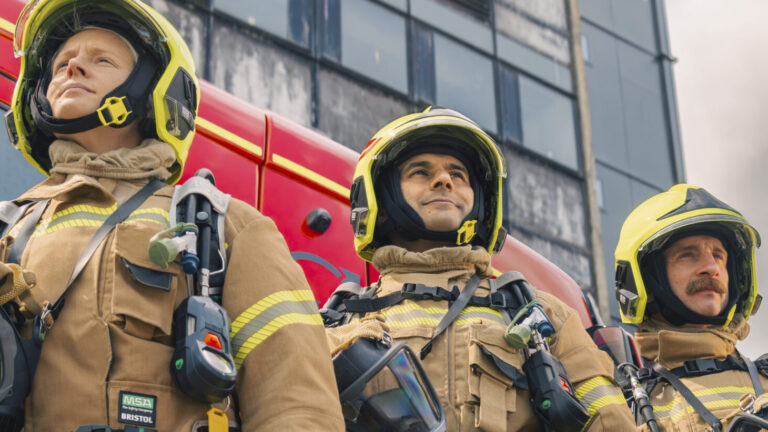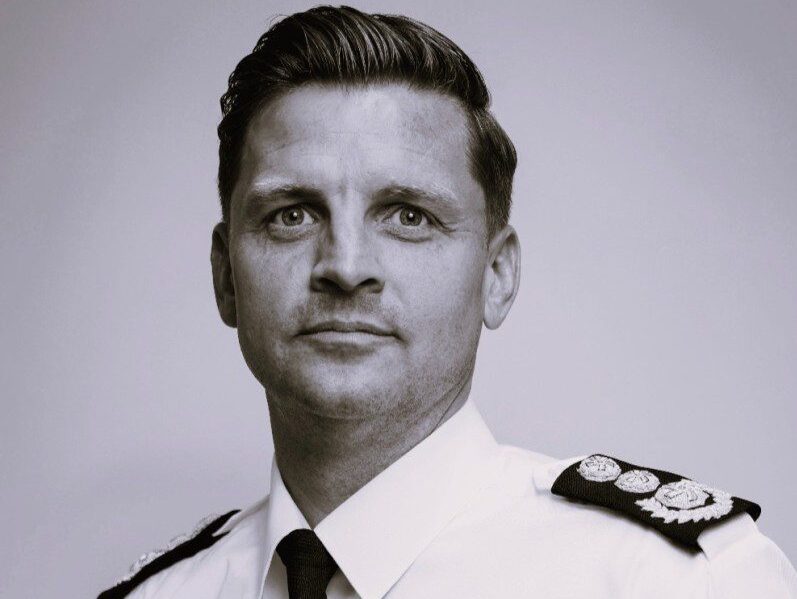

Alex Woodman, Chief Fire Officer and Executive Director of Community Protection Services, Hertfordshire County Council, outlines evolving risks, regulatory gaps and operational pressures.
Firstly, can you introduce yourself and say a little about your background in Fire Safety and your work at Hertfordshire County Council?
I’ve been the Chief Fire Officer and Executive Director of Community Protection in Hertfordshire for over five years. I also serve as Chair of the Hertfordshire Local Resilience Forum, sit on the National Fire Chiefs Council as Lead for Local Resilience, and I am an Ambassador for the National Emergencies Trust.
Before joining Hertfordshire, I held a range of public sector roles in London, including frontline service delivery and senior leadership posts. I served as Chief of Staff during both the Grenfell Tower fire response and the COVID-19 response, both experiences that shaped my approach to crisis leadership and multi-agency working. My background spans community-focused services, including engagement, risk and compliance operations and strategic change management.
Today, I provide executive counsel to council members and colleagues on emergency and crisis management while leading a diverse portfolio covering fire and rescue, trading standards, emergency planning and resilience, public health and wider community protection services.
Fire services worldwide are facing an increasingly complex risk landscape. From your perspective, what are the most significant operational challenges firefighters are facing today?
Firefighters are dealing with rapidly changing risk environments. Climate-driven wildfires now occur more frequently and burn with greater intensity. In Hertfordshire, hotter, drier conditions increase the likelihood of rapid fire spread, requiring sustained resourcing, specialist equipment and strong coordination with partners such as the National Farmer’s Union. Alongside our fire engines, we are enhancing our fleet with high pressure misting systems, 4×4 vehicles and water bowsers.
Flooding has also become more demanding, with crews facing simultaneous rescues, road closures and infrastructure impacts.
Lithium-ion battery incidents are a major emerging challenge. Fires involving EVs, e-scooters and bikes can behave unpredictably and reignite repeatedly, requiring large amounts of water and specialist tactics.
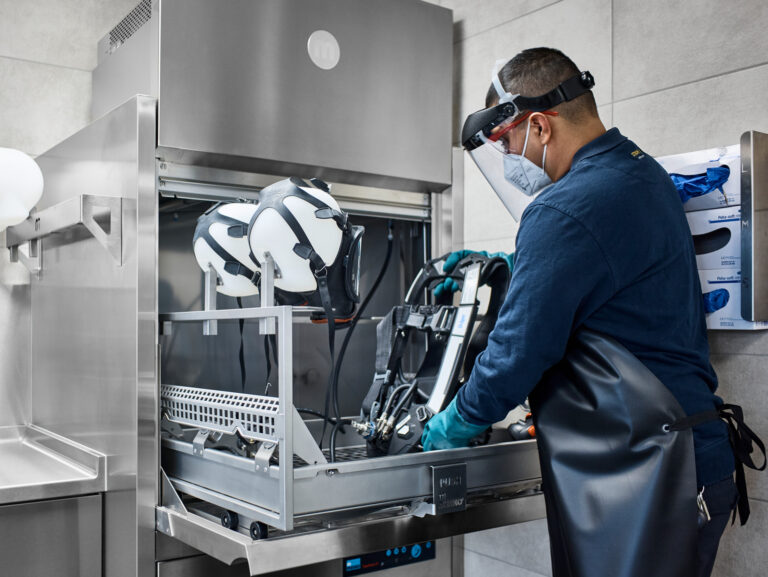
Exposure to hazardous substances requires enhanced decontamination processes, while increasingly complex building construction and confined access routes can affect response times.
Together, these factors create a complex risk landscape that demands new thinking, equipment and operational approaches.
Regulation and guidance around fire safety have evolved rapidly in recent years. Do you believe regulation is now keeping pace with real world fire risk, or are there still gaps?
The regulatory landscape has strengthened, particularly for higher risk residential buildings. Clearer legal frameworks, improved oversight and increased accountability are positives. The Fire Safety Act 2021 and the Building Safety Act have removed ambiguity and made it easier to hold people to account. However, gaps remain. Enforcement capacity has not grown at the same pace as regulatory demands, placing pressure on fire protection teams. Older building stock - especially low rise or complex multi-occupancy buildings - remain difficult to manage within existing frameworks. Cultural change is also lagging; some building owners still approach fire safety from a minimum compliance perspective rather than a safety led one. Progress has been made, but regulation has not fully caught up with the complexity of modern fire risk.
TO READ THE FULL ARTICLE READ THE LATEST ISSUE HERE.