The end of the year is almost upon us. Now is as good a time as any to reflect back on the year and take a closer look at the market trends that guide the development of pumps
The end of 2022 approaches us. Depending on how disappointing or relieving you interpreted that sentence probably says a lot about how you viewed the year as a whole. Regardless of how your year has gone, though, you can find solace in the fact that as the years go by, our wonderful industry continues to grow and improve upon itself in every facet. Whether it be through technology, training or legislation, every member of the industry does their part in ensuring a safer society for us all to live in. And the emphasis really is on “our” – it’s not just more privileged countries that see their share of the latest fire safety technologies. As equipment becomes safer and more advanced, so too does it become cheaper and more accessible. The latest innovations are not hoarded or squandered by the highest bidder, they are made available to everyone. When everyone is safer from fire, we are afforded more time to innovate upon it.
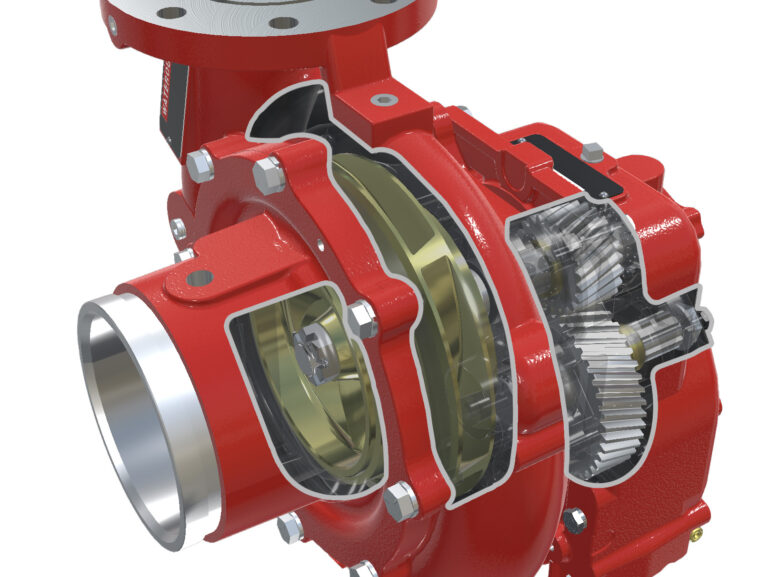
The impending changes involved in the transition away from fluorinated foams, as well as a decreasing dependency on fossil fuels in recent years has meant that the pumps industry in particular has seen some stark revisions in pump technology. As more money is invested into the industry from an increasing demand in more environmentally friendly and eco-conscious products, so too do we see the changes in pump technologies. The new foams legislation put in place globally to ensure no long-lasting damage to our environment has resulted in technologies morphing in order to accommodate these unexpected changes. For example, fluorine-free foams, as they fall into the hands of more and more fire services possess a greater viscosity than their fluorinated cousins, which means that appropriate training and products must be put in place to ensure that firefighters have enough product on board their vehicles to ensure a job can be done well and avoid wastage, both with the product and financially. Standard pumps do not adequately disperse this new product and so many companies have had to go back to the drawing board to reinvent the future of firefighting technologies. In addition to this, the emerging popularity of electric trucks means that pumps powered by diesel no longer make the most sense to stow on board this new age of trucks. Electric pumps, then, emerge as the new contender for standardised pump technology with emergency services, allowing themselves to be powered from the same unit that drives the vehicle. This means that, while small, the amount of harmful fumes released into the atmosphere by diesel pumps is diminished, which plays its part into ensuring we minimise all possibilities of eroding the ozone layer. The hope is that more fire services will continue to adopt electric vehicles into their fleets, greatly reducing the amount of environmental damage overall while reaping their own unique repertoire of benefits. For example, electric vehicles – and therefore pumps – will be much quieter when in operation, as well as drawing their power from a limitless and clean source of energy, with no emissions.
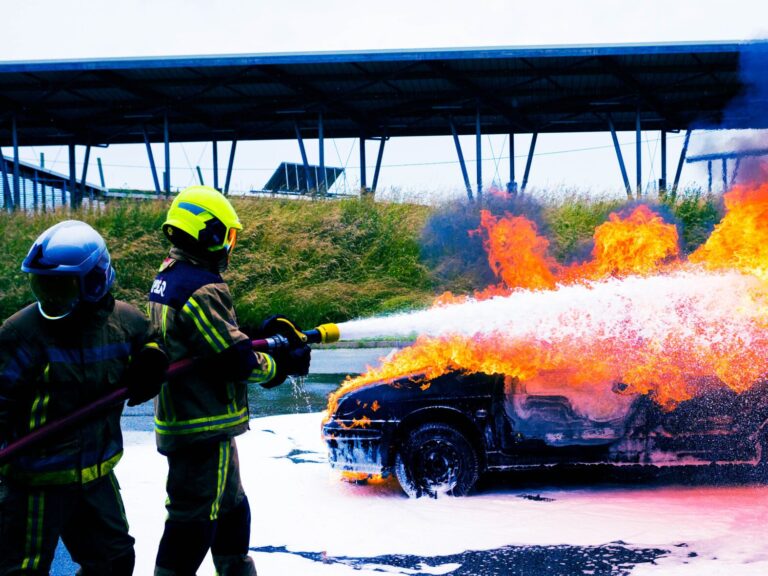
Great care needs to be taken when operating and maintaining equipment of this type near fires, however: as we all know with the growth in commercial electric vehicles, a battery fire from an electric vehicle burns several times brighter and hotter than a conventional petrol or diesel vehicle, with the former spewing many more toxic chemicals into the immediate area when compared with the latter. This has a compounding effect: with a more intense electrical fire, the need for more powerful and efficient foams is required – the very same foams that the government is fighting to eradicate. It’s no secret that fluorinated foams excel in combating more intense fires when compared to their eco-friendly counterparts, at least for now; it would completely defeat the objective of moving towards more environmentally friendly options if emergency services are forced to use the more superior but more toxic product to deal with the issues that come with battery fires.
To read the rest of this feature, see our latest issue here.
Never miss a story… Follow us on:
 International Fire Buyer
@Firebuyer
Fire Buyer
Media Contact
Louis Curtis
Editor, International Fire Buyer
Tel: +44 (0) 1622 823 922
Email: editor@firebuyer.com