Staging Site!

Feature-Detection-Firebuyer.com

Exclusive Feature – Learning to Listen 

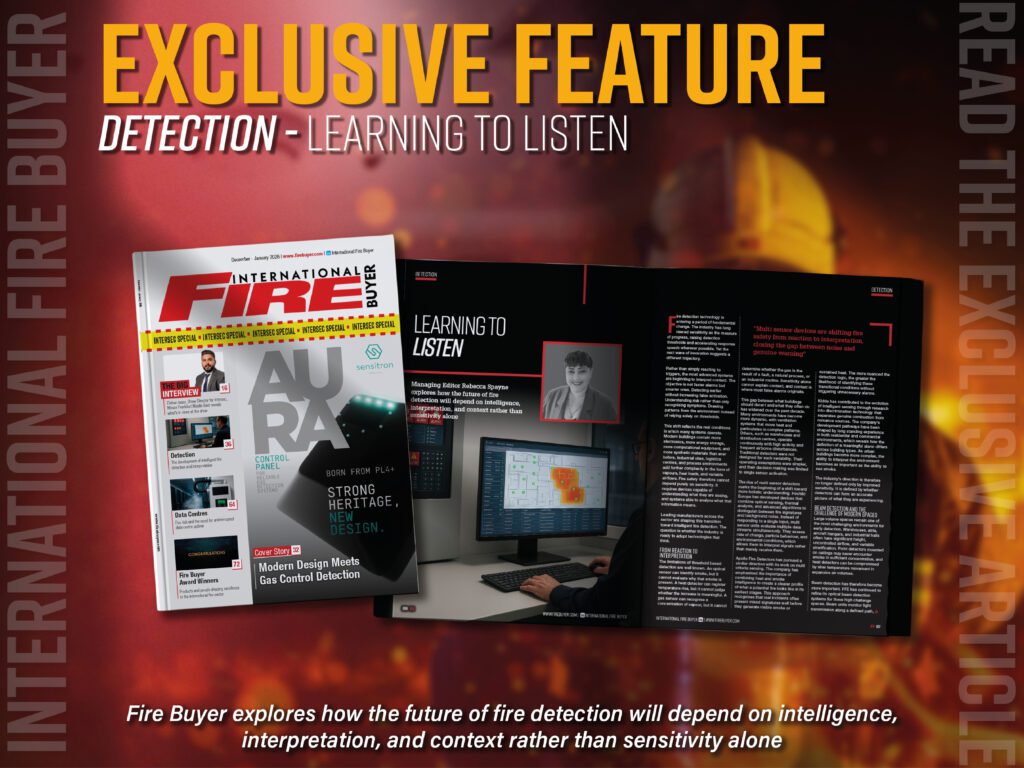
Managing Editor Rebecca Spayne explores how the future of fire detection will depend on intelligence, interpretation, and context rather than sensitivity alone.  Fire detection technology is entering a period of fundamental change. The industry has long viewed sensitivity as the measure of progress, raising detection thresholds and accelerating response speeds wherever possible. Yet the next wave of innovation suggests a different trajectory.   Rather than simply reacting to triggers, the most advanced systems are beginning to interpret context. The objective is not faster alarms but smarter ones. Detecting earlier without increasing false activation. Understanding risk rather than only recognising symptoms. Drawing patterns from the environment instead of relying solely on thresholds.  This shift reflects the real conditions in which many systems operate. Modern buildings contain more electronics, more energy storage, more computational equipment, and more synthetic materials than ever before. Industrial sites, logistics centres, and process environments add further complexity in the form of vapours, heat loads, and variable airflows. Fire safety therefore cannot depend purely on sensitivity. It requires devices capable of understanding what they are seeing, and systems able to analyse what that information means.  Leading manufacturers across the sector are shaping this transition toward intelligent fire detection. The question is whether the industry is ready to adopt technologies that think.  From Reaction to Interpretation The limitations of threshold based detection are well known. An optical sensor can identify smoke, but it cannot evaluate why that smoke is present. A heat detector can register temperature rise, but it cannot judge whether the increase is meaningful. A gas sensor can recognise a concentration of vapour, but it cannot determine whether the gas is the result of a fault, a natural process, or an industrial routine. Sensitivity alone cannot explain context, and context is where most false alarms originate.  This gap between what buildings should detect and what they often do has widened over the past decade. Many environments have become more dynamic, with ventilation systems that move heat and particulates in complex patterns. Others, such as warehouses and distribution centres, operate continuously with high activity and frequent airborne disturbances. Traditional detectors were not designed for such variability. Their operating assumptions were simpler, and their decision making was limited to single sensor activation.  The rise of multi sensor detectors marks the beginning of a shift toward more holistic understanding. Hochiki Europe has developed devices that combine optical sensing, thermal analysis, and advanced algorithms to distinguish between fire signatures and background noise. Instead of responding to a single input, multi sensor units evaluate multiple data streams simultaneously. They assess rate of change, particle behaviour, and environmental conditions, which allows them to interpret signals rather than merely receive them.  TO READ THE FULL ARTICLE SEE OUR LATEST ISSUE HERE

Exclusive Feature – Learning to Listen  Read More »
Exclusive feature Foams-firebuyer.com

Exclusive Feature – The Science of Suppression 

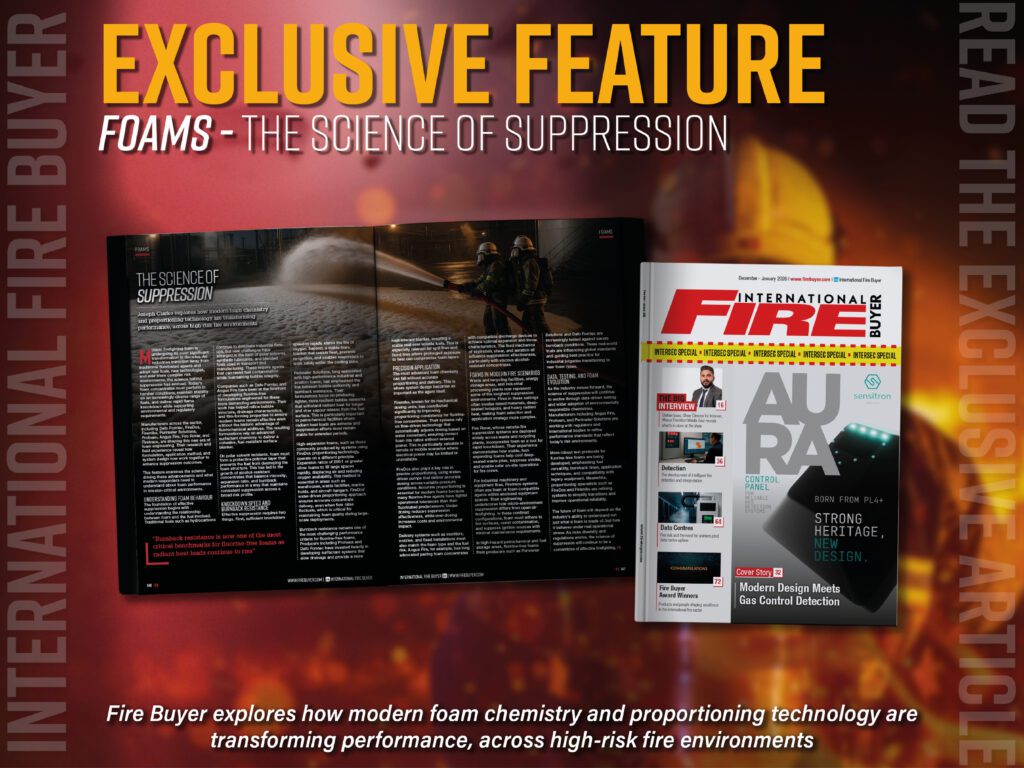
Joseph Clarke explores how modern foam chemistry and proportioning technology are transforming performance, across high-risk fire environments  Modern firefighting foam is undergoing its most significant transformation in decades. As industries transition away from traditional fluorinated agents and adopt new fuels, new technologies, and ever more complex risk environments, the science behind suppression has evolved. Today’s foam concentrates must perform in harsher conditions, maintain stability on an increasingly diverse range of fuels, and deliver rapid flame knockdown while supporting environmental and regulatory requirements.  Manufacturers across the sector, including Dafo Fomtec, FireDos, Firemiks, Perimeter Solutions, Profoam, Angus Fire, Fire Rover, and Firetrace, are shaping this new era of foam engineering. Their research and field experience reveal how formulation, application method, and system design now work together to enhance suppression outcomes.  This feature examines the science driving these advancements and what modern responders need to understand about foam performance in mission-critical environments.  Understanding Foam Behaviour The foundation of effective suppression begins with understanding the relationship between foam and the fuel involved. Traditional fuels such as hydrocarbons continue to dominate industrial flare-ups, but new challenges have emerged in the form of polar solvents, synthetic lubricants, and blended fuels used in transport and manufacturing. These require agents that can resist fuel contamination while maintaining bubble integrity.  Companies such as Dafo Fomtec and Angus Fire have been at the forefront of developing fluorine-free formulations engineered for these more demanding environments. Their work has helped refine bubble structure, drainage characteristics, and film-forming properties to ensure modern foams remain effective even without the historic advantage of fluorochemical additives. The resulting formulations rely on advanced surfactant chemistry to deliver a cohesive, fuel-resistant surface blanket.  On polar solvent incidents, foam must form a protective polymer layer that prevents the fuel from destroying the foam structure. This has led to the growth of alcohol-resistant concentrates that balance viscosity, expansion ratio, and burnback performance in a way that maintains consistent suppression across a broad risk profile.  Knockdown Speed and Burnback Resistance Effective suppression requires two things. First, sufficient knockdown speed to rapidly starve the fire of oxygen. Second, a stable foam blanket that resists heat, prevents re-ignition, and enables responders to work safely within the cooling zone.  Perimeter Solutions, long associated with high-performance industrial and aviation foams, has emphasised the link between bubble uniformity and burnback resistance. Their formulations focus on producing tighter, more resilient bubble networks that withstand radiant heat for longer and slow vapour release from the fuel surface. This is particularly important in petrochemical facilities where radiant heat loads are extreme and suppression efforts must remain stable for extended periods.  TO READ THE FULL ARTICLE SEE OUR LATEST ISSUE HERE

Exclusive Feature – The Science of Suppression  Read More »

PPE Feature-Dec-Jan-Firebuyer.com

Exclusive Feature – The Science Behind Modern Fire PPE Materials 

Material science is reshaping modern firefighter PPE, Ed Hill examines how innovation, comfort and real world performance now define frontline protection  Firefighting has always been a job of contradictions. We expect firefighters to work in blistering temperatures yet move like athletes. We tell them PPE will save their lives, then ask them to trust it in situations where no fabric on earth would likely survive.   Laboratories may continue to produce impressive charts claiming ever higher thermal performance or longer wear cycles, however, the real test is still a 3am call out to a job where visibility drops to nothing and time is short.  The truth is that modern firefighter PPE is no longer just about heat. It is about particulates that cling to everything. It is about fatigue that builds silently. It is about materials that must behave in ways materials do not like behaving. That is why the science behind PPE has become more important than ever.  Fabric and the Fireground Most firefighters do not spend a great deal of time thinking about the thread count of their turnout gear. They simply want it to work. Yet the biggest shift in PPE science over the last decade has been the fabric itself. One innovator in this space is PBI. Their heat- and flame-resistant fibres have long been a magnet for services that deal with high heat conditions and unpredictable flashovers. What makes PBI interesting is that their material is not simply heat resistant but structurally stable when exposed to extremes. Instead of becoming brittle or stiffening, PBI based fabrics retain their strength.  This does not mean the gear feels like a tailored suit. PPE still has mass and structure. But the days of board stiff coats that fought against every shoulder movement are disappearing.   Other manufacturers have built on similar scientific advances. Lakeland Fire and Safety, with global experience across industrial and municipal sectors, has invested in moisture barrier technologies that can endure high frequency stress cycles without premature degradation. Moisture barriers are the unsung heroes of firefighter comfort. Without them, steam burn becomes an immediate risk. With them, the body has a fighting chance of regulating itself under heat stress. Lakeland’s work on barrier durability is particularly relevant as firefighters report more mixed call profiles where a single incident can take them from high humidity heat to cold exposure in minutes.  Fire Dex has taken a slightly different approach by focusing on weight reduction without compromising thermal stability. Their emphasis on ergonomic design is part engineering and part pragmatism. Fireground fatigue has been creeping into operational data for years. A coat that weighs even a small amount less can translate to reduced exhaustion on protracted incidents.   The Rise of Particulate Protection What complicates particulate protection further is that firefighters rarely encounter a single exposure type in isolation. A modern incident may involve synthetic furnishings, vehicle components, battery systems, and composite building materials all burning simultaneously. Each produces a different particulate profile, with varying adhesion characteristics and toxicity. PPE fabrics must therefore resist not just penetration, but retention. A fabric that blocks particulates but traps them within its weave creates a long-term contamination issue once the incident is over.  TO READ THE FULL ARTICLE READ THE LATEST ISSUE HERE:

Exclusive Feature – The Science Behind Modern Fire PPE Materials  Read More »

Thilo Horstmann-Interschutz-Firebuyer.com

Interschutz Appoints New Project Director

Major fire and rescue services and civil protection trade fair, Interschutz, has appointed Thilo Horstmann as the show’s Project Director. Horstmann has succeeded Bernd Heinold, who has moved to the role of Project Director for didacta, Europe’s largest trade fair for the education industry. Thilo Horstmann reports to Hendrik Rawe, Global Director Interschutz, Ligna, parts2clean, and SurfaceTechnology Germany within Trade Fair & Product Management at Deutsche Messe. “The competent succession in the Interschutz project management position strengthens Deutsche Messe’s continuous development of the event”, says Arno Reich, Senior Vice President Trade Fair & Product Management at Deutsche Messe. “Thilo Horstmann is an experienced project director within the Deutsche Messe team and will bring strategic perspective and operational expertise to shape the future direction of the entire Interschutz portfolio,” Reich adds. International Trade Fairs After completing a dual degree in Business Administration at DHBW Ravensburg, Thilo Horstmann worked as a project manager overseeing various trade fairs within the international portfolio of Hannover Messe, including Ankiros in Turkey and Metal & Metallurgy in China. Since 2008, he has served as a project manager and, from 2021 to the present, as Project Director of Domotex. “We would like to thank Mr Heinold for his outstanding commitment, his keen sense for topics and people, and his ability to build and maintain strong networks. This combination has contributed significantly to the success of Interschutz. In his new professional role as Project Director of didacta, he will bring his expertise with the same passion. We wish him every success,” says Arno Reich. Safeguarding Tomorrow Interschutz is a major global trade fair for firefighting, rescue, and civil protection. Taking place in 2026 in Hanover under the motto “Safeguarding Tomorrow”, Interschutz showcases a comprehensive range of products and services in the fields of firefighting, preventive fire protection, rescue services, civil protection, communication and control centre technology, as well as protective equipment. All information about the trade fair and supporting program is available at www.interschutz.de and is updated on an ongoing basis. The Interschutz portfolio also includes international events such as AFAC Australia (https://www.afacconference.com.au/), REAS Italy (https://www.reasonline.it/) and the China International Emergency Management Exhibition (CIEME: https://www.cieme.net/en).

Interschutz Appoints New Project Director Read More »

Darley SAR Bronco-Firebuyer.com

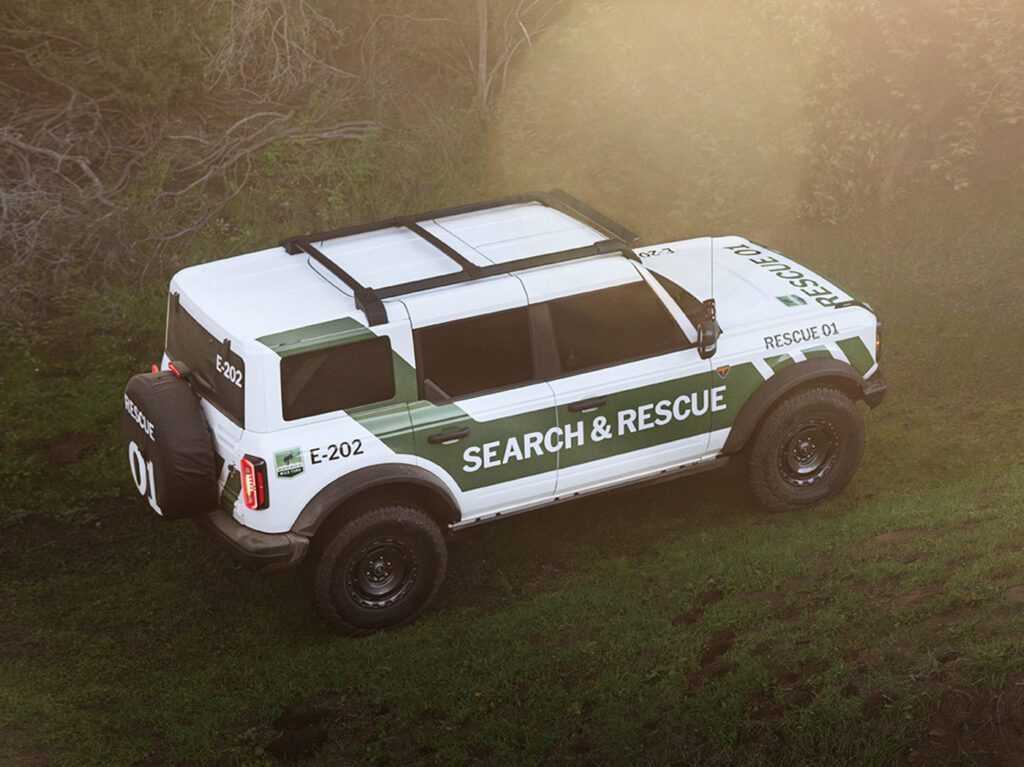
Ford and Darley Collaborate on Search and Rescue Broncos

At the Detroit Auto Show, Ford has announced a nationwide search to donate five Bronco Badlands models equipped with the Sasquatch Package to under-resourced search and rescue (SAR) organisations across the USA. The donations are part of the Bronco Wild Fund’s commitment to provide five specialised vehicles in 2026. Two recipients, Kern County Fire & Rescue (CA) and Teton County Search & Rescue (WY), are already confirmed, and Ford is now inviting applications for the remaining three. Advanced Capabilities for Demanding Environments To ensure these vehicles are mission-ready, Ford is collaborating with Darley, a trusted provider of defence and rescue equipment, and Public Safety Direct, a leading emergency vehicle upfitter. Together, they will equip each Bronco with advanced capabilities designed for the most demanding environments and that meet the special needs of the recipients which may include special features and technology such as: Starlink satellite connectivity, for reliable communications in remote or disaster-impacted areas; integrated drone technology, for real-time aerial reconnaissance and situational awareness and advanced lighting, winches, and recovery systems. Commitment to Innovation Peter Darley, Executive Vice President and COO of Darley, said: “We’re proud to collaborate with Ford because we share a commitment to innovation and supporting those who serve. By combining Ford’s legendary vehicles with Darley’s expertise in rescue and communications gear, we’re helping search and rescue teams operate at their best, even in the toughest conditions.” Kevin Sofen, Technology & Innovation Manager for Darley, added: “Search and rescue teams don’t need complicated technology, they need tools that work every time they show up for work. These Broncos are purpose-built with reliable connectivity and integrated rescue capabilities designed specifically for how SAR teams operate. It’s a vehicle teams can rely on in demanding conditions, without having to question whether it’s going to hold up when lives are on the line.” Search and rescue organisations interested in applying for one of these specialised Broncos can visit https://nasar.org/page/AnswerTheCall for details.

Ford and Darley Collaborate on Search and Rescue Broncos Read More »

Suppression Carousel-Firebuyer,com

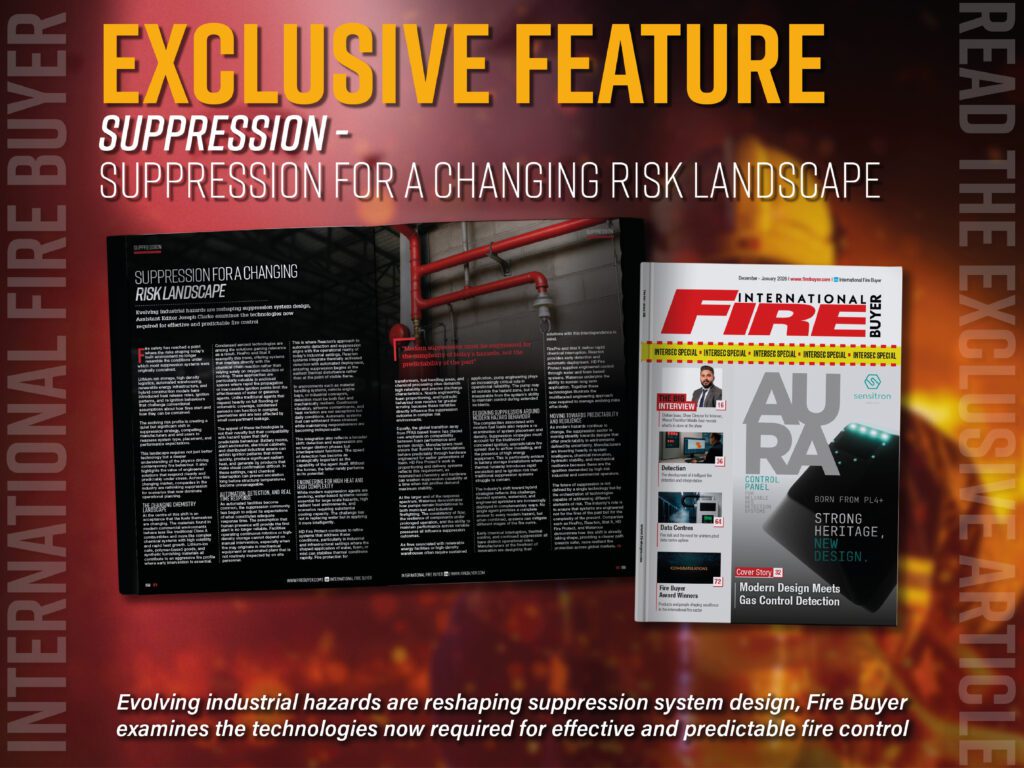
Exclusive Feature – Suppression for a Changing Risk Landscape 

Evolving industrial hazards are reshaping suppression system design, Managing Editor Rebecca Spayne examines the technologies now required for effective and predictable fire control   Fire safety has reached a point where the risks shaping today’s built environment no longer resemble the conditions under which most suppression systems were originally conceived.   Lithium-ion storage, high density logistics, automated warehousing, renewable energy infrastructure, and hybrid construction models have introduced heat release rates, ignition patterns, and re ignition behaviours that challenge conventional assumptions about how fires start and how they can be contained.   The evolving risk profile is creating a quiet but significant shift in suppression strategy, compelling manufacturers and end users to reassess system type, placement, and performance expectations.  This landscape requires not just better technology but a deeper understanding of the physics driving contemporary fire behaviour. It also highlights the value of engineered solutions that respond cleanly and predictably under stress. Across this changing market, companies in the industry are rethinking suppression for scenarios that now dominate operational planning.  The Changing Chemistry Landscape At the centre of this shift is an acceptance that the fuels themselves are changing. The materials found in modern commercial environments behave less like traditional Class A combustibles and more like complex chemical systems with high volatility and rapid heat growth. Lithium-ion cells, polymer-based goods, and synthetic furnishing materials all contribute to an aggressive fire profile where early intervention is essential.  Condensed aerosol technologies are among the solutions gaining relevance as a result. FirePro and Stat X exemplify this trend, offering systems that interfere directly with the chemical chain reaction rather than relying solely on oxygen reduction or cooling. These approaches are particularly valuable in enclosed spaces where rapid fire propagation or inaccessible ignition points limit the effectiveness of water or gaseous agents. Unlike traditional agents that depend heavily on full flooding or volumetric coverage, condensed aerosols can function in complex geometries and are less affected by small compartment leakage.  The appeal of these technologies is not their novelty but their compatibility with hazard types that defy predictable behaviour. Battery rooms, plant enclosures, electrical cabinets, and distributed industrial assets can exhibit ignition patterns that move quickly, produce significant radiant heat, and generate by products that make visual confirmation difficult. In these settings, rapid chemical interruption can prevent escalation long before structural temperatures become unmanageable.  Automation, Detection, and Real Time Response As automated facilities become common, the suppression community has begun to adjust its expectations of what constitutes adequate response time. The assumption that human presence will provide the first alert is no longer reliable. Facilities operating continuous robotics or high-density storage cannot depend on manual intervention, especially when fire may originate in mechanical equipment or automated plant that is not routinely inspected by on site personnel.  This is where Reacton’s approach to automatic detection and suppression aligns with the operational reality of today’s industrial settings. Reacton systems integrate thermally activated detection with automated deployment, ensuring suppression begins at the earliest thermal disturbance rather than at the point of visible flame.   In environments such as material handling systems, vehicle engine bays, or industrial conveyors, detection must be both fast and mechanically resilient. Continuous vibration, airborne contaminants, and heat variation are not exceptions but daily conditions. Automatic systems that can withstand these stresses while maintaining responsiveness are becoming indispensable.  This integration also reflects a broader shift: detection and suppression are no longer distinct phases but interdependent functions. The speed of detection has become as strategically important as the capability of the agent itself. Without the former, the latter rarely performs to its potential.  TO READ THE FULL ARTICLE SEE THE LATEST ISSUE HERE

Exclusive Feature – Suppression for a Changing Risk Landscape  Read More »

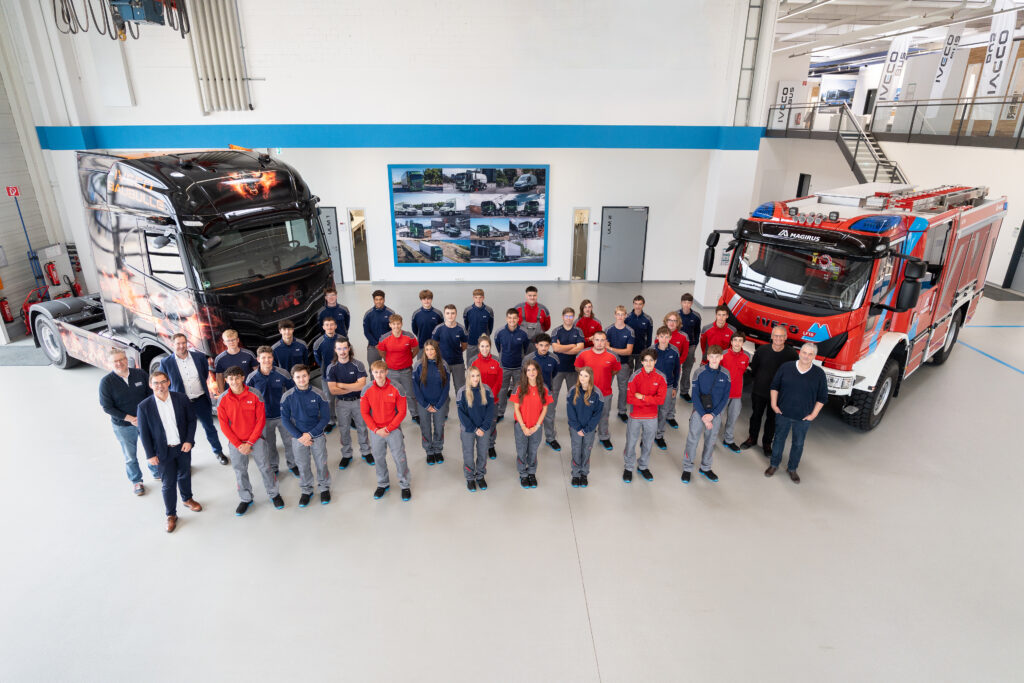
Picture of Magirus trainees - Photo by Magirus - Fire Buyer

Five-Year Training Drive at Magirus

A new generation of firefighting professionals is stepping forward as Magirus and Iveco continue their steadfast commitment to nurturing skilled talent. On 1 September 2025, a total of 37 young people began their careers at the Magirus GmbH and Iveco Group training site. In Ulm, Germany, 34 budding apprentices and dual students embarked on diverse career paths ranging from industrial and logistics roles to advanced technical trades. Meanwhile, three trainees started their journey at Magirus Lohr in Austria—all motivated, ambitious, and eager to develop the competencies critical to the fire protection sector. Their journey began with an immersive introductory week designed to promote orientation, team cohesion, and corporate values. Practical training insights, group workshops, and engaging lectures provided a comprehensive launch into life at a leading industrial firm. In Austria, the first day featured a warm welcome and a parent information session to ensure clarity and transparency from the outset. At Ulm, the cohort includes trainees in a range of technical and commercial roles: industrial clerk, warehouse logistics specialist, construction mechanic, vehicle painter, industrial mechanic, electronics technician for industrial systems, and KfZ‑mechatronics technician specialising in systems and high‑voltage technology. Additionally, five dual‑track students—including those enrolled in the notable “Ulm model” automotive engineering programme—are part of the 2025 intake. Magirus’s emphasis on practical, integrated training and its longstanding legacy—dating back to firefighting innovations of the 19th century—ensure that apprentices gain deep industry knowledge in supportive, hands-on environments. With 141 trainees across all classes, the company solidifies its role in strengthening the skilled workforce and fostering the sustainable success of the fire protection industry.

Five-Year Training Drive at Magirus Read More »

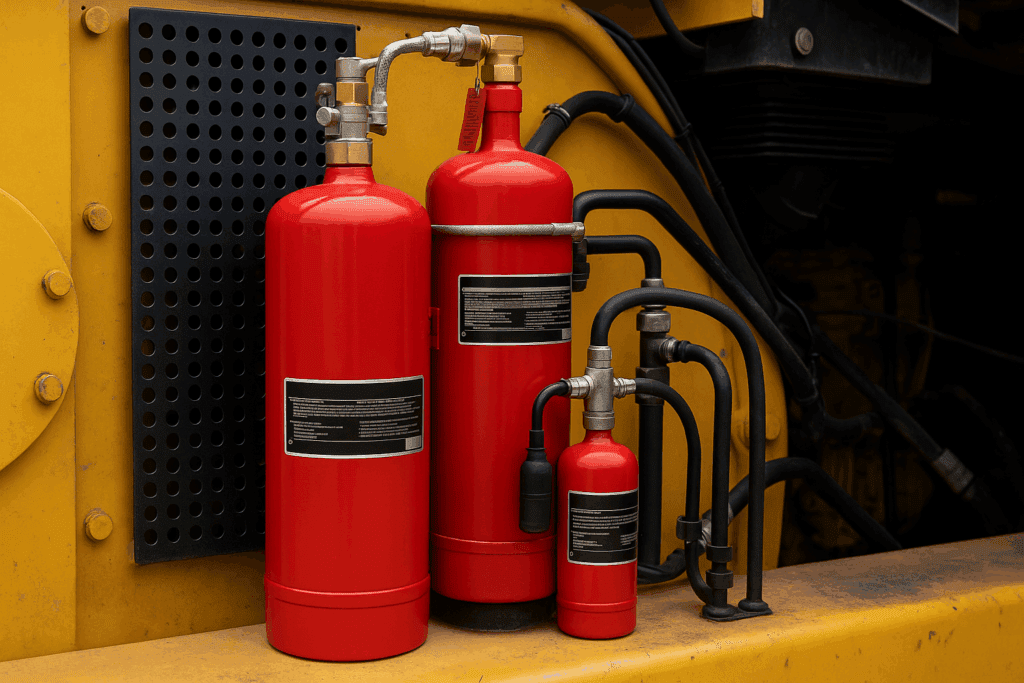
Picture of fire equipment - Photo by Fire Buyer

AFEX Dual-Agent System Nominated for Award

AFEX Fire Suppression Systems, a renowned designer of fire protection for heavy-duty mobile machinery, has been shortlisted in the Coolest Thing Made in NC 2025 competition. Organised by the North Carolina Chamber, the award celebrates the creativity, quality, and impact of products manufactured in the state—a sector that accounts for more than 13% of North Carolina’s GDP and generates employment for over 10% of its workforce. This year’s contest attracted a record-breaking 188 nominations, with 102 products progressing to the competition stage. Only the most innovative and practical solutions are recognised through a public voting process that launches on 21 August 2025. Crafted in Raleigh, the AFEX Dual‑Agent Fire Suppression System is built for environments where safety is paramount—such as mining, forestry, waste handling, oil and gas, and heavy civil engineering. It merges the rapid fire knockdown characteristics of a dry chemical system with the cooling and anti-reignition capability of a liquid agent, delivering comprehensive protection for complex and dangerous fire hazards. Its design features include total-flooding enclosed compartments, fast cooling of hot surfaces, compact footprint, and automatic/manual activation. Rigorous third-party testing and approvals—including FM HDME, Activfire, AS 5062 and CE—affirm its suitability for high-risk scenarios. Beyond its performance, the dual-agent system aligns with regulatory requirements: NFPA standards explicitly advise dual-agent setups for large hydraulic machines with extensive hydraulic capacity—underscoring the industry’s trust in its efficacy. Jeannette Miller, President of Sales & Marketing at AFEX, expressed her pride in the nomination: “This honour reflects our unwavering dedication to reliability, innovation, and the safety of those working in the most hazardous conditions.” Construction of these systems in North Carolina underscores the state’s manufacturing strength and commitment to excellence. Public voting for the Coolest Thing Made in NC opened on 21 August.

AFEX Dual-Agent System Nominated for Award Read More »

Picture of vehicle equipment - Photo by Fire Buyer

Pierce Unveils Advanced Apparatus at FDIC

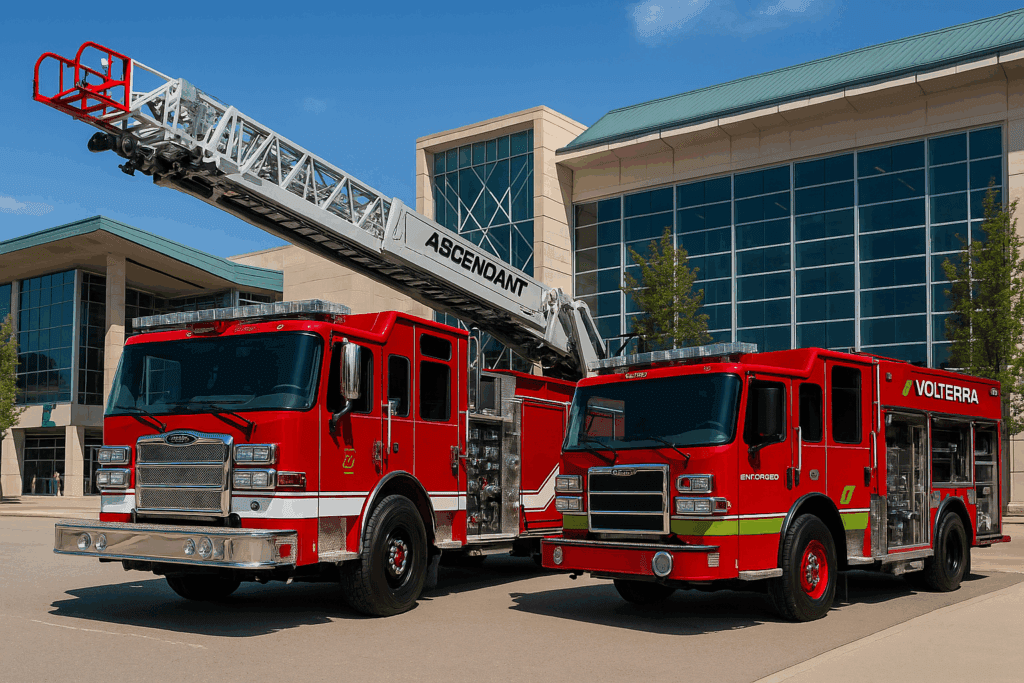
At FDIC 2025 in Indianapolis, Pierce Manufacturing, a subsidiary of Oshkosh Corporation, revealed its most comprehensive range of next-generation fire apparatus and integrated technologies to date. The annual Fire Department Instructors Conference (FDIC), held back in April, served as a platform for Pierce to reinforce its commitment to firefighter safety, operational efficiency, and technological innovation. The centrepiece of Pierce’s display was a lineup of 12 fire apparatus engineered to meet the evolving demands of fire services. Among them were models such as the Enforcer Volterra electric pumper, the Enforcer Heavy-Duty Rescue Pumper equipped with Collision Avoidance Mitigation System (CAMS), and a selection of top-mount PUC pumpers, aerial towers, and ladders. Also showcased was the Velocity 100-foot aerial platform and the Frontline C‑40X‑4 Saber Command Unit, underlining Pierce’s wide-ranging capabilities. Pierce also demonstrated several new and refined technologies. The CAMS system, which uses AI and radar to provide critical advance warnings, is designed to reduce collision risk during emergency operations. The company’s updated TAK‑4 T3 independent rear suspension system, now available with aluminium wheels and disc brakes, offers improved manoeuvrability and better clearance for tire chains. Further innovations included a low-profile Enforcer cab that reduces ladder height by several inches, improving access for departments with clearance restrictions. The redesigned top-mount control PUC pumper featured an elevated transverse walkway, enabling operators to manage controls from a safer and more ergonomic position. Attendees also explored Pierce’s ClearSky Intelligence system, which provides remote access to vehicle diagnostics and operational data, and the HiViz Connect warning light system, now integrated with the Command Zone interface for seamless lighting control. Pierce’s exhibit at FDIC included live recordings of its “Pierce Dispatch Podcast,” where fire service professionals and industry leaders shared insights into apparatus design, technology adoption, and operational challenges. Bob Schulz, president of Pierce Manufacturing, described the exhibit as a reflection of the company’s mission to equip firefighters with tools that enhance performance and safety. “Our presence at FDIC 2025 showcased how innovation, when grounded in the realities of frontline experience, can deliver meaningful progress for the fire service.”

Pierce Unveils Advanced Apparatus at FDIC Read More »

Picture of plane wildfire drop - Photo by Perimeter Solutions - Fire Buyer

Perimeter Solutions Signs USDA Wildfire Response Deal

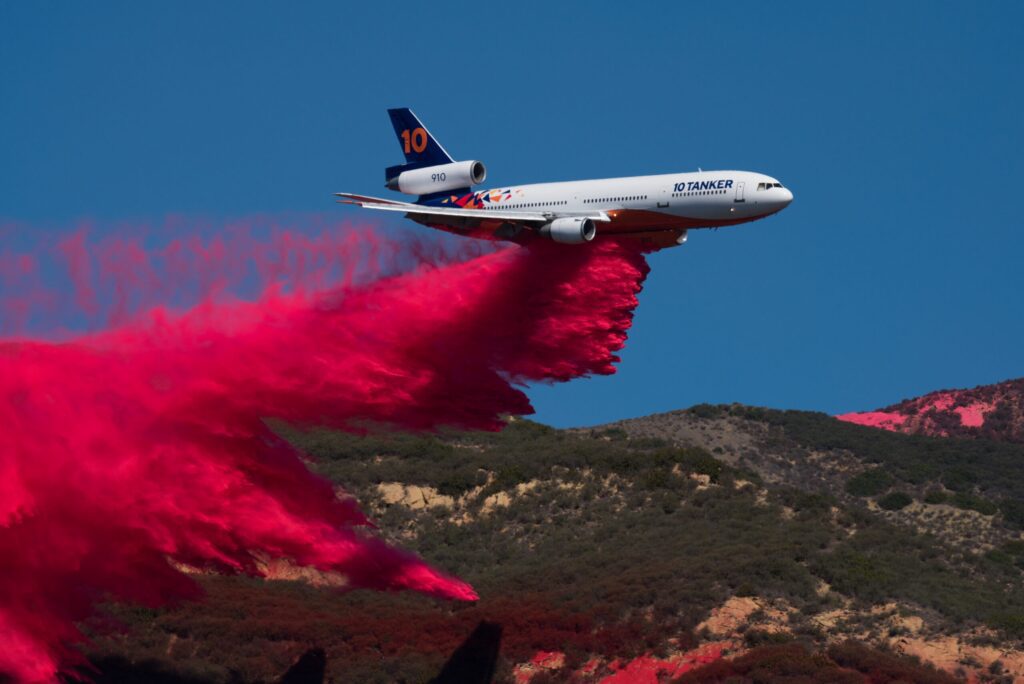
Perimeter Solutions has announced the signing of a transformative five-year agreement with the United States Department of Agriculture (USDA). THe new contract marks a major advancement in the nation’s wildfire response capabilities while delivering over $150 million in total savings to the federal government and taxpayers. This multi-year contract brings unprecedented stability to the nation’s aerial firefighting infrastructure, while expanding Perimeter’s role in aerial firefighting operations. It includes a full conversion to Perimeter’s powder retardant technology, significant upgrades to air tanker base capacity and capabilities, and a transition to Perimeter full-service operations at most or all federal tanker bases. These enhancements will streamline logistics, increase capacity, and strengthen support for fire crews and communities on the front lines, to match the demands of today’s wildfire environment. Under the agreement, 100% of Perimeter’s retardant for federal use will be manufactured in the United States. Combined with an increased commitment to sourcing domestic raw materials, the contract reinforces Perimeter’s support for American manufacturing, supply chain diversification, and national resilience. The USDA will receive the lowest pricing Perimeter offers. Together, the benefits of the contract are a result of operational efficiencies and long-term investment in U.S.-based infrastructure by Perimeter Solutions. “This is more than a business agreement, it’s a reaffirmation of our shared commitment to American firefighters, American communities, and American industry,” said Haitham Khouri, Chief Executive Officer of Perimeter Solutions. “Together with the USDA, we’re building a stronger, more agile system to meet the demands of increasingly complex fire seasons.” “This contract is a tremendous win for America’s taxpayers, our rural communities, and the brave men and women who fight wildfires every day,” said Secretary Brooke Rollins. The partnership also includes a joint initiative to modernize the federal fire retardant specification and qualification process, ensuring future products meet the highest standards of performance, safety, and reliability.

Perimeter Solutions Signs USDA Wildfire Response Deal Read More »

Scroll to Top