Intelligent detection is reshaping fire safety, not with louder alarms, but with silent signals, connected platforms, and decision-ready data. Rebecca Spayne explores a quieter, smarter layer of protection.
Fire detection has long been seen as a reactive mechanism, a signal to evacuate, an alert to act. But in today’s safety landscape, the role of detection is shifting. No longer just an audible warning system, detection is evolving into an integrated intelligence layer: one that sees before we do, thinks faster than we can, and responds without waiting for flame or smoke to trigger a siren.
In an era of smart sensors, cloud connectivity, and autonomous systems, detection is no longer just an engineering discipline, it’s a data-driven function that informs operational resilience.
This transformation is especially critical in environments where time is tight, risk is layered, and safety is systemic. Whether in healthcare, transport, high-density housing or industrial facilities, fire safety is moving upstream, from response to anticipation, from isolation to integration.
The systems now being developed, and demanded, are quieter, smarter, and more tightly interwoven with infrastructure. They are designed not only to detect fire, but to contextualise it: to tell responders what’s happening, where, and what to do next. In an industry where minutes matter, the evolution of detection is rapidly becoming the front line of prevention.
Traditional fire detection systems were binary by design, detect and alarm. But today, stakeholders expect more: event logs, data trends, multi-zone differentiation, and seamless coordination with evacuation, suppression, or HVAC systems. In other words, fire detection is no longer a standalone tool. It’s an active node in a wider safety ecosystem.
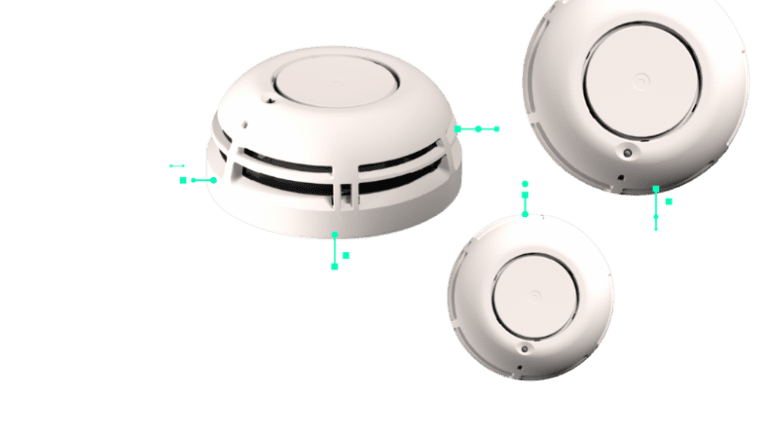
Manufacturers like Hochiki have responded to this demand with platforms which combine point detection with networked intelligence. By leveraging addressable technologies, these systems allow individual detectors to communicate status changes, environmental shifts, and device health. This granular visibility gives facility managers real-time insight, and more importantly, time to act before a situation escalates.
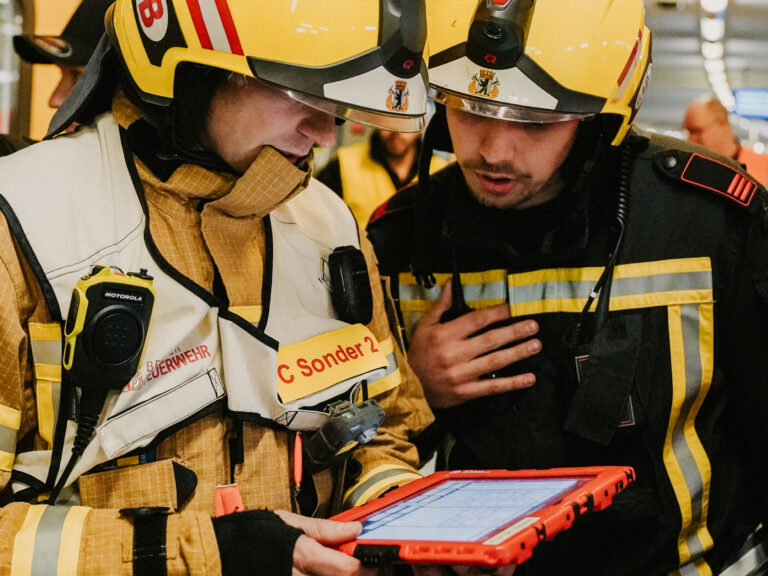
That integration also unlocks smarter emergency response. Panels can be configured to trigger pre-action suppression, stage evacuations by zone, or even inform first responders with specific floorplans and hazard data. It’s not just about making alarms faster; it’s about making decisions faster, and more accurate.
This shift toward decision-ready detection is especially apparent in sectors where complexity is baked in, such as critical infrastructure and mixed-use developments. In these settings, a one-size-fits-all alarm isn’t just ineffective; it can be dangerous.
Take Advanced, whose Axis EN platform is designed around adaptability. With full cause-and-effect programmability and integration with voice alarm systems, it allows safety engineers to define specific responses based on location, time of day, occupancy, or device type. For example, a kitchen smoke detector in a university residence might trigger a local alert and time delay before activating building-wide evacuation, avoiding unnecessary disruption while maintaining full traceability.