
Mike Brunzell from the NFPA discusses the association’s global fire safety mission, evolving standards, emerging risks and how regulation, training and technology can strengthen prevention worldwide
Please introduce yourself and tell us about your work with the NFPA?
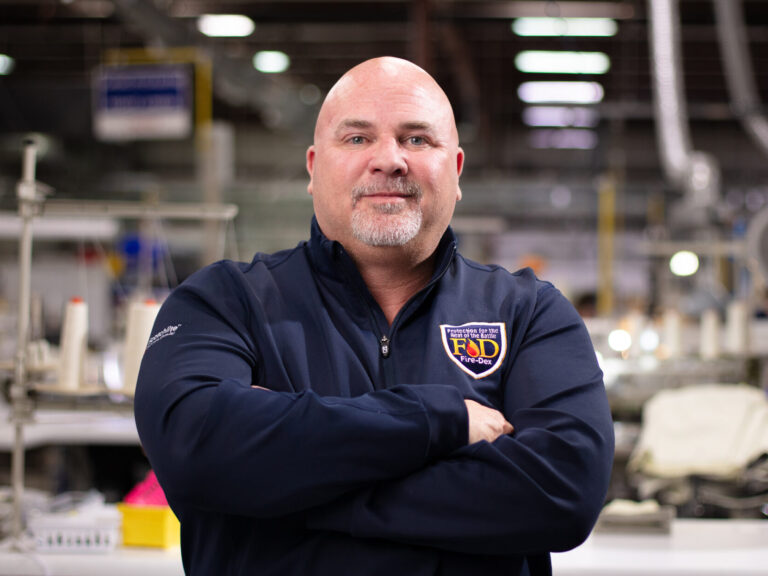
I’m Vice President of Global Business Development at the National Fire Protection Association® (NFPA®). In my role, I’m focused on expanding the NFPA’s global footprint, helping grow sustainable business activity internationally to support our core mission, and strengthening fire and life safety worldwide.
The NFPA is a global, self-funded nonprofit organisation that has been in existence for 130 years. Its mission is to eliminate death, injury, property and economic loss due to fire, electrical and related hazards. We are a self-supported non-profit, meaning we support our mission through the sale of the products we develop, from codes and standards to training, digital products and certifications.
There have been several high-profile fires in recent times, such as the nightclub tragedy in Switzerland. How do these events underline the importance of regulation and compliance globally, and how can they be implemented more effectively?
It’s always devastating to see this type of tragedy where NFPA has specifically highlighted nightclub and entertainment venue risks over the decades. Many of these incidents involve preventable failures that have been previously identified within NFPA Fire & Life Safety Ecosystem™; a framework of the essential interconnected elements that contribute to safety.
These tragedies often stem from predictable risk factors: flammable interior finishes, dangerous use of ignition sources, such as pyrotechnics and sparklers, inadequate or obstructed exits and failures in enforcement, all things that robust codes and compliance systems are designed to prevent.
To be more effective, we must continually learn from tragedies, revisit standards where necessary, and ensure that those standards are used and enforced within local regulatory frameworks. That means working with governments, fire authorities and industry to raise awareness of hazards before disasters occur.
NFPA has been expanding its global footprint. Where is progress accelerating fastest?
Our global strategy prioritises regions experiencing rapid investment in built environments. Latin America and the GCC region are major growth areas for NFPA engagement.
We’ve established and maintained longstanding government relationships in those markets. That presence allows us to work closely with civil defence authorities, ministries and local fire safety professionals to assist in building regulatory frameworks, training programmes and compliance systems that fit the specific needs of each country.
The fastest progress tends to be in markets where safety is a clear government priority and where there is a willingness to engage with international expertise. We have to develop partnerships with governments where safety is a priority. That is where we can be most effective.
TO READ THE FULL ARTICLE READ THE LATEST ISSUE HERE.