Takashi Ishikawa, Technical Support and Commercial Liaison Coordinator – Hochiki
What does fire safety mean to you?
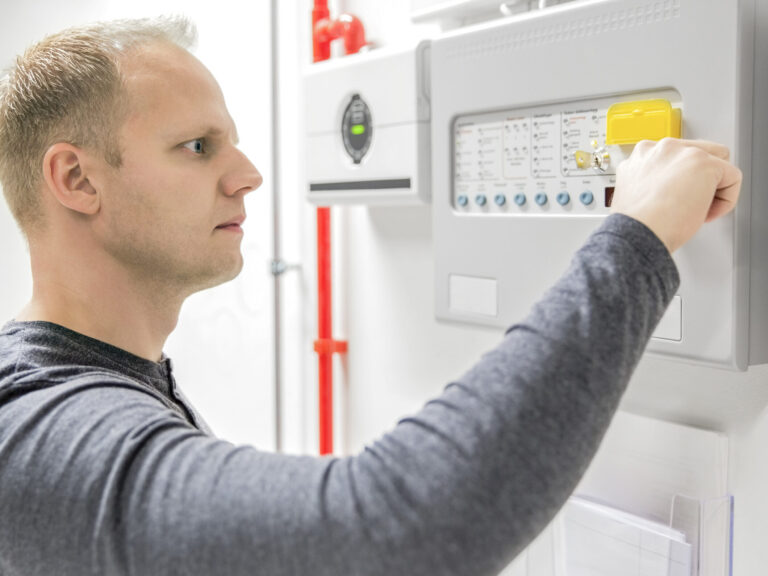
To me, fire safety isn’t just a concept, it’s something I’ve lived and breathed my entire career, particularly during my days as fire safety engineer on construction sites in Japan. It means making sure that every detector, every panel, and every cable is installed with care, thoroughly tested, and properly maintained.
What has been your most embarrassing moment professionally?
One of my most embarrassing moments happened on a construction site in Japan. Every morning, hundreds of workers gather for ‘Radio Taiso’, a group exercise routine set to music. It’s a serious ritual, though to outsiders, it might look like synchronised dancing. While everyone moved in perfect harmony, I flailed awkwardly, completely out of sync.
What is your most important fire safety tip?
My top fire safety tip is simple but critical: never neglect maintenance. Even the most advanced systems are only effective if regularly inspected and properly maintained.
This year, a tragic fire in Japan claimed the lives of two brave firefighters. The building had repeatedly ignored fire department warnings and failed to maintain its safety systems.
What do you consider to be your greatest success?
My greatest professional success was leading the renewal of a fire alarm system at a busy subway station, without causing any accidents or disrupting train operations.
We had just over a month to complete the project, and only a few hours each night between the last and first trains.
The existing panel had been in place for nearly 30 years and was hardwired into multiple systems. With no software documentation, we had to manually trace every connection. Completing the upgrade without a single issue was a true team achievement.
What’s the most important trend you see today?
In my view, one of the most exciting trends in fire safety is the potential integration of AI technologies. While still emerging, AI could revolutionise how we manage fire safety, not just detection and response, but predictive maintenance. For instance, analysing sensor data might help identify patterns that indicate potential system issues before they happen.
If you didn’t work in the industry, what would you be doing?
If I weren’t working in the fire safety industry, I’d still be involved in manufacturing or engineering. With a background in electrical engineering, I’ve always been drawn to solving practical problems and working with systems that have real-world impact.
TO READ THE FULL ARTICLE SEE OUR LATEST ISSUE HERE