Staging Site!

Ask the Expert – C-TEC

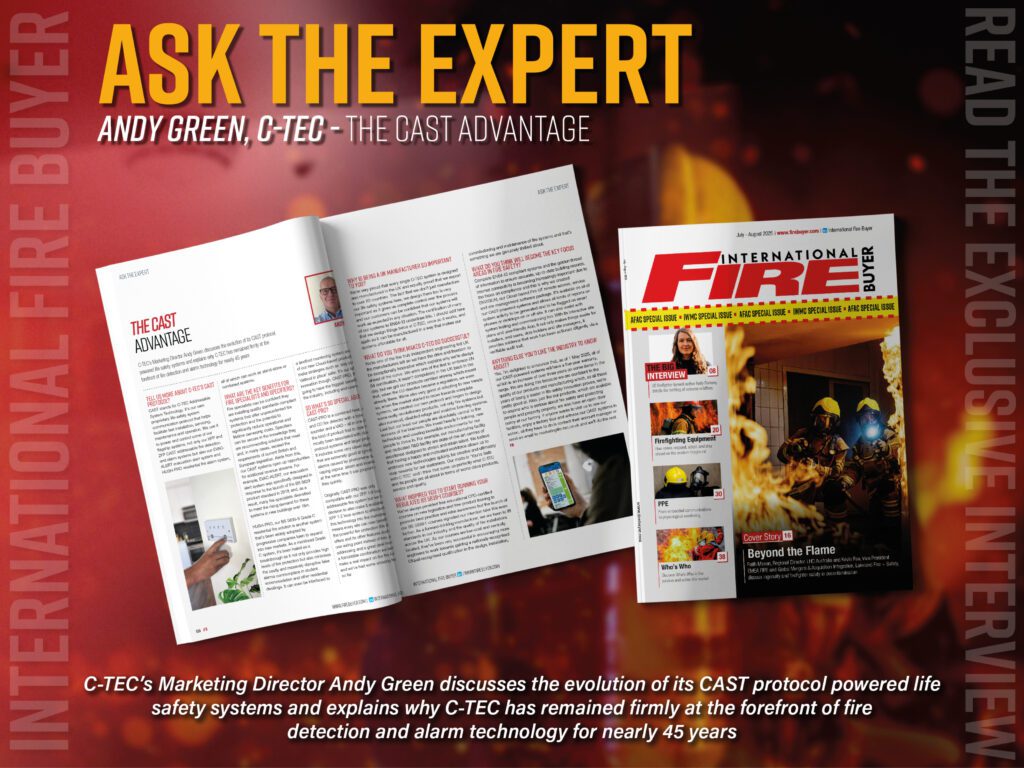
C-TEC’s Marketing Director Andy Green discusses the evolution of its CAST protocol powered life safety systems and explains why C-TEC has remained firmly at the forefront of fire detection and alarm technology for nearly 45 years. Tell us more about C-TEC’s CAST protocol? CAST stands for C-TEC Addressable System Technology. It’s our own proprietary life-safety system communication protocol that helps facilitate fast installation, servicing, maintenance and operation. We use it to power and control some of our flagship systems, not only our XFP and ZFP CAST addressable fire detection and alarm systems but also our EVAC-ALERT evacuation alert system and HUSH-PRO residential fire alarm system, all of which can work as stand-alone or combined systems. What are the key benefits for fire specialists and specifiers? Fire specialists can be confident they are installing quality standards-compliant systems that offer unprecedented fire protection and the potential to significantly reduce operational and lifetime ownership costs. Specifiers can be secure in the knowledge they are recommending solutions that meet and, in many cases, exceed the requirements of current British and European legislation. Aside from this, our CAST systems open up opportunities for additional revenue streams. For example, EVAC-ALERT, our evacuation alert system was specifically designed in response to the launch of the BS 8629 product standard in 2019, and, as a result, many fire specialists diversified to meet the rising demand for these systems in new buildings over 18m. HUSH-PRO, our BS 5839-6 Grade C residential fire solution is another system that’s been widely adopted by progressive companies keen to expand into new markets. As a monitored Grade C system, it’s been hailed as a breakthrough as it not only provides high levels of fire protection but also minimises the costly and massively disruptive false alarms commonplace in student accommodation and other residential dwellings. It can even be interfaced to a landlord monitoring system and some of our new Cloud-based products to make strategies such as ‘stay put’ or ‘defend in place’ safer. It’s our latest innovation though, CAST-PRO, that’s going to have the biggest benefits for the industry, including end-users. So what’s so special about CAST-PRO? CAST-PRO is a combined heat, smoke and CO fire detector with a tone or voice sounder and a VAD – all in one device, the kind of product that to date has mostly been associated with closed protocol systems and larger projects. It includes some very clever algorithms that are extremely good at ignoring false alarms caused by phenomena such as vaping vapour, steam and incense but at the same time it can pinpoint real fires quickly. Originally CAST-PRO was only compatible with our ZFP 1-8 loop addressable fire system but we took the decision to also make it available on our XFP 1-2 loop system to effectively bring this technology into the mainstream. This means every site can now benefit from the powerful fire protection this device offers and its other features such as one wiring point instead of two, auto-addressing and a great deal more. It is a formidable combination we believe will make a real impact on the fire industry and we’ve had some amazing feedback so far. To read the full article see our latest issue here.

Ask the Expert – C-TEC Read More »
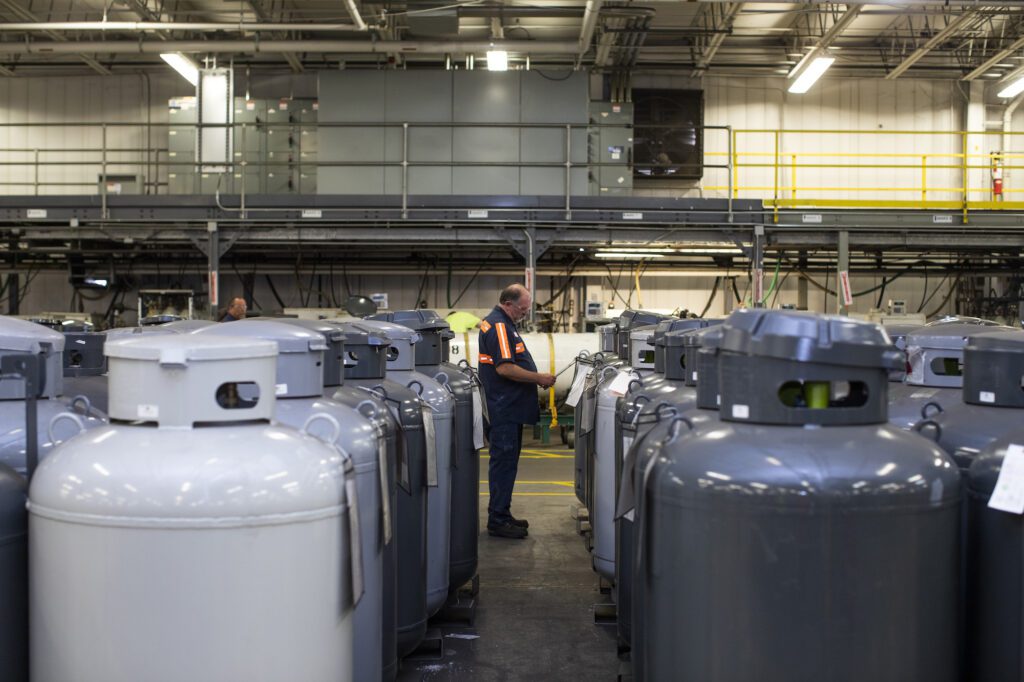
Picture of A-Gas cylinders - Photo by A-Gas - Fire Buyer

A-Gas to Participate at Fire Protection Conferences

A-Gas has announced its participation in CALSAFE, PAFED, and NCAFED 2025, three regional conferences that bring fire equipment distributors, life safety professionals, and industry leaders together to share best practices and explore the future of fire protection. At the Pennsylvania Association of Fire Equipment Distributors Annual Conference (PAFED), taking place September 16–17, 2025, in King of Prussia, Pennsylvania, A-Gas will present a featured session designed to help attendees better understand innovative approaches to fire protection gas lifecycle management. The presentation will showcase how proper use, recovery, and reuse strategies contribute to compliance, sustainability, and industry advancement. A-Gas is also scheduled to speak at the North Carolina Association of Fire Equipment Distributors Annual Conference (NCAFED), held September 24–25, 2025, in Concord, North Carolina. A-Gas experts will share key insights into the evolving fire safety landscape, addressing the challenges facing distributors today and highlighting solutions that enable the industry to transition toward more sustainable and efficient practices. A-Gas’ fall conference schedule continues at the California Association of Life Safety and Fire Equipment (CALSAFE) Conference, taking place October 3–4, 2025, in Monterey, California. CALSAFE provides another important opportunity for A-Gas to engage with professionals across the fire safety sector and showcase how its world-leading gas lifecycle solutions are supporting compliance, safety, and environmental responsibility. “Regional conferences like CALSAFE, PAFED, and NCAFED provide invaluable opportunities to connect with the distributors and safety professionals who keep communities and businesses safe every day,” said Matt Scott, Vice President of Fire Protection, at A-Gas. “We are looking forward to engaging directly with attendees, sharing critical insights about lifecycle gas management, and demonstrating how A-Gas is helping the industry build a stronger and more sustainable future.” By contributing to the conversation at PAFED and NCAFED through dedicated speaking sessions and participating in CALSAFE to connect with key industry stakeholders, A-Gas continues to demonstrate its role as a trusted leader advancing fire safety technologies while promoting a circular economy for fire protection gases.

A-Gas to Participate at Fire Protection Conferences Read More »

Picture of Rescue Intellitech washing machines - Photo by Rescue Intellitech - Fire Buyer

Rescue Intellitech Expands Firefighter PPE Care Range

Rescue Intellitech is set to unveil its latest innovation in firefighter PPE care, with the launch of a new line of high-performance washing machines specifically designed to decontaminate firefighter clothing. The official launch will take place at the Emergency Services Show at the NEC in Birmingham on 17-18 September, where the DE Series washing machines will be showcased for the first time to emergency services professionals from across the UK and beyond. Building on the success of its popular Solo Rescue and DeconWasher Pro S machines, already widely-used in UK fire stations for cleaning helmets, boots, gloves and self-contained breathing apparatus, Rescue Intellitech’s new DE Series machines mean that protective garments can also be cleaned on-site. Combined with the recent introduction of its specialist PPE drying cabinets, the new washing machines offer a complete, station-based system for faster, safer, and more cost-effective PPE decontamination. Designed for performance and flexibility, the high-capacity washing machines offer a choice of 15 pre-programmed wash cycles suitable for everything from heavy-duty textiles to delicate technical fabrics. The gentle but effective cleaning cycles help to preserve the integrity of valuable PPE, extending its lifespan and maintaining its protective capabilities. Martin Valfridsson, CEO of Rescue Intellitech, comments: “Decontaminating all firefighter PPE is essential for reducing exposure to harmful carcinogens, toxins and particulates. Just like our Solo Rescue decontamination units, these specialist DE Series washing machines are engineered to remove hazardous substances swiftly and efficiently, while preserving the protective properties of the garments themselves.” He continues: “We’re proud to be further expanding our product range to offer fire services a complete, station-based PPE decontamination solution. With the introduction of these new machines alongside our Solo Rescue range and specialist drying cabinets, Rescue Intellitech can now provide all the core equipment needed to fully equip a decontamination room, thereby streamlining operations and further supporting firefighter health.” Ideal for decon rooms managing large loads, the DE Series machines are available in three capacity sizes: DE180 (180l), DE240 (240l) and DE280 (280l), enabling fire services to choose the perfect fit for their operational needs. They are also energy and water efficient, featuring Water Efficiency Drum (WED) technology and a Water Level System (WLS), ensuring the washing process is both cost-effective and environmentally-friendly. Low noise levels during both washing and spinning cycles help to minimise disruption in active fire stations. Nick Croad , Sales Manager for UK and Ireland, adds: “We’ve worked closely with fire services to understand their operational challenges, and these machines are a direct response to that feedback. Being able to clean and decontaminate firefighter clothing on-site will help to improve turnaround times, reduce outsourcing costs, and ultimately protect firefighters more effectively. It’s a significant step forward in station-based PPE care.” The new machines are durable by design, the DE Series machines feature a smart clinch-mounted construction that ensures exceptional longevity and minimal maintenance, even when in continuous use in tough fire service environments.

Rescue Intellitech Expands Firefighter PPE Care Range Read More »

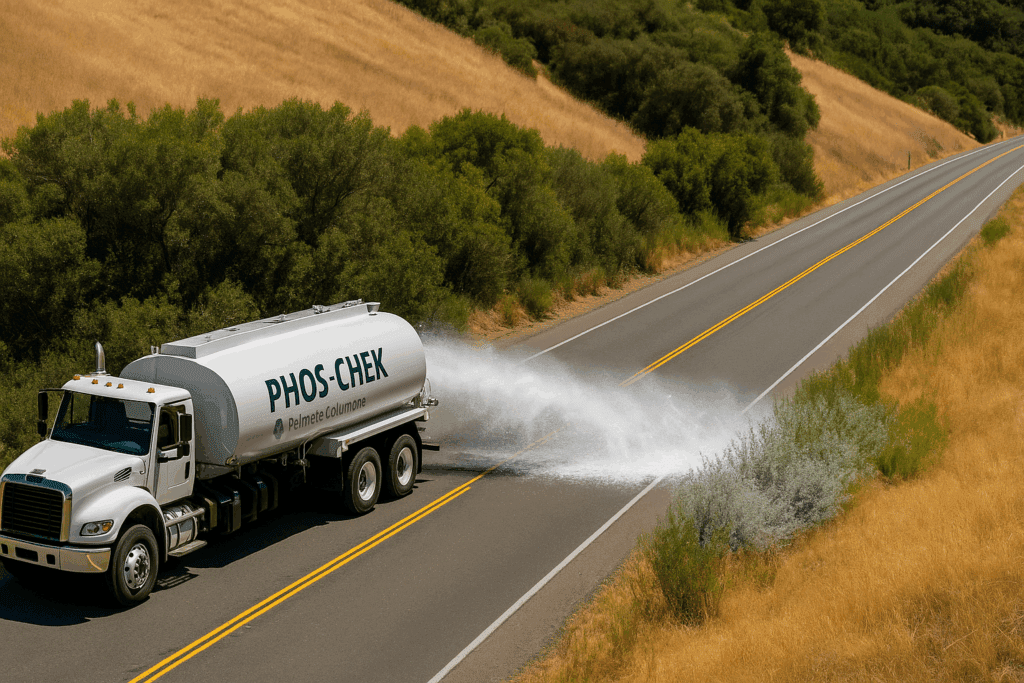
Picture of PHOS‑CHEK fire retardant - Photo by Fire Buyer

Perimeter Solutions’ PHOS‑CHEK Applied to High‑Risk Roads

Perimeter Solutions has confirmed that San Diego County will use its PHOS‑CHEK long‑term fire retardant on over 200 miles of roadways identified as high fire-risk, including the heavily trafficked Wildcat Canyon corridor. The county maintains nearly 2,000 miles of road, and this preventive treatment forms part of its wildfire readiness strategy. Wildcat Canyon, known for steep terrain and frequent traffic, is particularly vulnerable to fire ignition from overheated vehicles, and also functions as a key evacuation route for eastern parts of the county. Ground-based PHOS‑CHEK works similarly to aerial applications, though in an uncoloured form designed for early-season application on flammable vegetation, maintaining its effectiveness until significant rainfall. San Diego officials report that applying PHOS‑CHEK provides a solid barrier that significantly slows ignite-on sparks, giving firefighters vital extra time to control fire spread. The initiative is financed in part by the Community Wildfire Defense Grant programme, created under the Bipartisan Infrastructure Law to support high-risk communities. Previous field implementations have demonstrated the product’s effectiveness: in Wildcat Canyon, a fire projected to spread across half an acre was reduced by approximately 99% following PHOS‑CHEK treatment. In another test elsewhere in California, no fires occurred in treated areas across a full season. San Diego County Supervisor Joel Anderson emphasised the importance of proactive measures, noting, “My constituents have consistently said that fire safety and prevention is a top priority… this innovative approach helps keep everyone in our county safer.” Perimeter Solutions COO Shannon Horn added, “We are proud to continue our partnership with the County of San Diego… By leveraging advanced fire retardant technologies like PHOS‑CHEK, San Diego County is leading the way in wildfire prevention.”

Perimeter Solutions’ PHOS‑CHEK Applied to High‑Risk Roads Read More »

Picture of cladding - Photo by Fire Buyer

DBI Urges Early Adoption of New Fire Test Standard

With a new European fire testing standard for building cladding set to take effect in January 2026, the Danish Institute of Fire and Security Technology (DBI) is encouraging manufacturers to begin implementing its methods now. The revised standard replaces subjective visual assessments with objective temperature-based criteria to determine a pass or fail result. DBI argues that this shift will ensure “uniform safety levels” across countries, remove the ambiguity of current methods, and eliminate discrepancies between testing laboratories. The change is especially significant for materials such as plasterboards, wall panels, and ceiling systems, which are currently evaluated by how they protect underlying substrates during fire exposure. Under the existing approach, test results often depend on whether visual assessors agree that substrate materials, such as particleboard, have been charred—a judgement that can vary between laboratories. The new standard instead uses precise temperature thresholds to assess performance, with sensors placed at designated points during testing. Jeanne B. Kirk, Resistance to Fire Engineer at DBI, explained: “It’s about getting data sets that show how the material actually performs. If the temperature exceeds the limit, it automatically fails. This makes the conclusion much more objective.” Alongside greater consistency, the standard will also give manufacturers more flexibility. It allows testing against three standard substrates—EPS (expanded polystyrene), low-density insulation materials, and particleboard—which can apply to a wide range of application areas. This reduces the need for repeated testing. For example, manufacturers that previously conducted individual tests for each substrate type—such as cellulose, PIR, or PUR—will be able to use EPS as a representative base material. The standard also permits testing cladding systems in wall-mounted configurations and opens opportunities for incorporating bio-based materials into construction. DBI, which contributed to the development of the standard over a seven-year period, is urging manufacturers to begin transitioning immediately. Fire tests typically require several months to plan, making early adoption a practical step. “When you plan a fire test, it typically takes several months,” Kirk added. “So, if you start now, you’ll be ready when the standard comes into effect. And you already know what you need to test for.”

DBI Urges Early Adoption of New Fire Test Standard Read More »

Picture of ACSL drone - Photo by Teledyne FLIR OEM - Fire Buyer

ACSL Joins Thermal by FLIR Collaboration

Teledyne FLIR OEM has announced a new partnership with ACSL, Japan’s leading drone manufacturer, under the Thermal by FLIR programme. The collaboration launches with ACSL’s latest thermal payload, SAMO, designed for the company’s NDAA-compliant SOTEN drone. The SAMO unit integrates Teledyne FLIR’s Hadron 640R, a dual thermal-visible camera module combining a 64MP visible sensor with a 640×512 Boson radiometric thermal core. The payload also features FLIR’s MSX Multi-Spectral Dynamic Imaging, which overlays visual details onto thermal imagery for enhanced real-time results. The SOTEN drone is designed for public safety, disaster response, inspection, and surveying. Lightweight, weather-resistant (IP43), and ISO15408 certified, it includes a 25-minute flight time and one-touch swappable payload system for operational flexibility. Cynthia Huang, CEO of ACSL Inc., noted that the collaboration marks a “natural and significant step” in delivering secure, high-performance unmanned systems to U.S. operators. The launch coincides with ACSL’s new TAITEN smart controller and an upgraded SOTEN platform. Teledyne FLIR’s Mike Walters said the partnership supports the development of “secure, high-performance drone solutions” for public safety and industrial applications, especially in light of growing concerns about drone security. ACSL’s SOTEN with the SAMO payload will be showcased at the Commercial UAV Expo in Las Vegas, 2–4 September 2025.

ACSL Joins Thermal by FLIR Collaboration Read More »

Picture of Marcus Wallis - Photo by Triangle Fire Group - Fire Buyer

Triangle Fire Group Appoints New CEO

Triangle Fire Group has announced that its Founder and CEO Colin Chantler will retire at the end of August after nearly two decades leading the business. Succeeding him as CEO from 1st September is Marcus Wallis, currently Managing Director of the South Region engineering division at H E Simm. Founded in 2006 by Colin and his brothers Nigel and Steve, Triangle has grown into a major player in the fire protection industry. Colin’s retirement follows a period of strategic development, including a multi-million-pound investment from BGF in 2022 to support the company’s growth and succession planning. While stepping down as CEO, Colin will remain on the company’s Board as a Non-Executive Director to ensure continuity and retain the family-led ethos of the organisation. Wallis brings extensive experience in building services, having held senior roles at Phoenix ME, Skanska, and Mace, with a track record spanning residential, commercial, healthcare, defence, and education sectors. Mark Castle, Chair of Triangle, acknowledged Colin’s legacy, stating: “Colin’s contribution has been immense. He’s been the figurehead of the business since founding it. We’re grateful he’ll remain involved as we move into the next phase.” Wallis expressed enthusiasm for the future: “Triangle is an exceptionally managed Group, known for its unique culture and delivery quality. I’m delighted to lead the business forward alongside the board and leadership team.” Colin Chantler reflected on the transition: “While I’m looking forward to retirement, I’ll miss the day-to-day role. From where we started in 2006 to where we are now, it’s been an extraordinary journey. I’m confident Marcus is the right person to take the business forward.” Castle added that Wallis’s experience with Tier 1 contractors and M&E specialists will be valuable as the company adapts to a shifting regulatory environment in the fire safety sector.

Triangle Fire Group Appoints New CEO Read More »

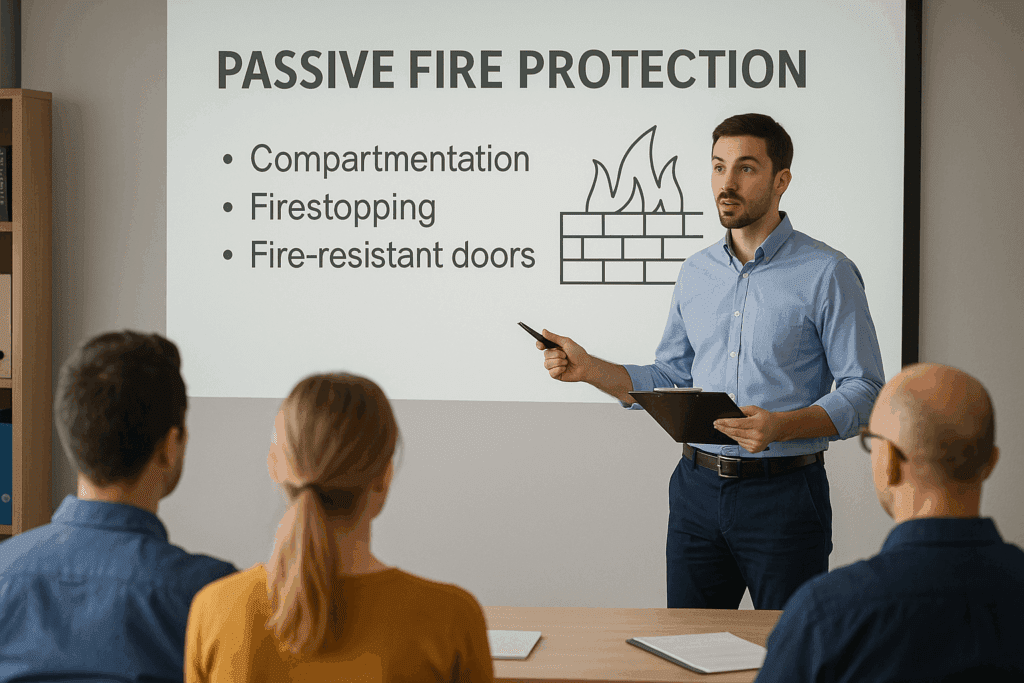
Picture of fire training - Fire Buyer

ASFP Adds CPD Certificates to Training

The Association for Specialist Fire Protection (ASFP) has introduced Certificates of Attendance across all its passive fire protection training programmes, ensuring participants can now formally document their learning for Continuing Professional Development (CPD) purposes. This development marks a significant step in ASFP’s commitment to supporting professional competence in the fire protection sector. Effective immediately, any delegate attending an ASFP training course—whether classroom-based or online—will receive a certificate indicating the number of learning hours completed. These certificates can be used to build a CPD portfolio that meets the expectations of employers, industry accreditation bodies, and professional associations. The change follows extensive discussions within the industry about how best to evidence professional development, particularly in highly regulated environments where maintaining competence is critical. By clearly documenting participation and hours, ASFP’s new system enables professionals to demonstrate that their training is aligned with best practices in ongoing education and regulatory compliance. For classroom-based courses, the breakdown includes 30 hours for Level 2 and 42 hours for Level 3. Online options include shorter but targeted programmes: a one-hour awareness module, a three-hour introduction course, and the Firestopping for Installers (FSFI) module also at three hours. More advanced online training includes Level 2 content at either eight hours or as single modules of four hours each, and a comprehensive Level 3 programme offering 16 hours of structured learning. These changes are particularly relevant as the fire safety sector adapts to evolving regulations, heightened awareness of fire risk, and increasing demands for competence and accountability. The inclusion of verified CPD hours adds weight to the value of ASFP training, helping individuals not only develop their skills but also meet formal development requirements across a range of industry frameworks. By recognising all training contributions—from introductory awareness to advanced technical levels—ASFP ensures that every step of professional learning counts. This shift also reflects wider moves across the built environment and construction sectors to prioritise traceable, standards-based upskilling, especially in areas critical to life safety. As scrutiny of fire safety practices continues to rise, formal recognition of training participation plays a key role in building public trust and professional credibility. The ASFP’s latest move underscores its leadership in raising the bar for passive fire protection training and ensuring the sector is well equipped to meet today’s complex safety challenges.

ASFP Adds CPD Certificates to Training Read More »

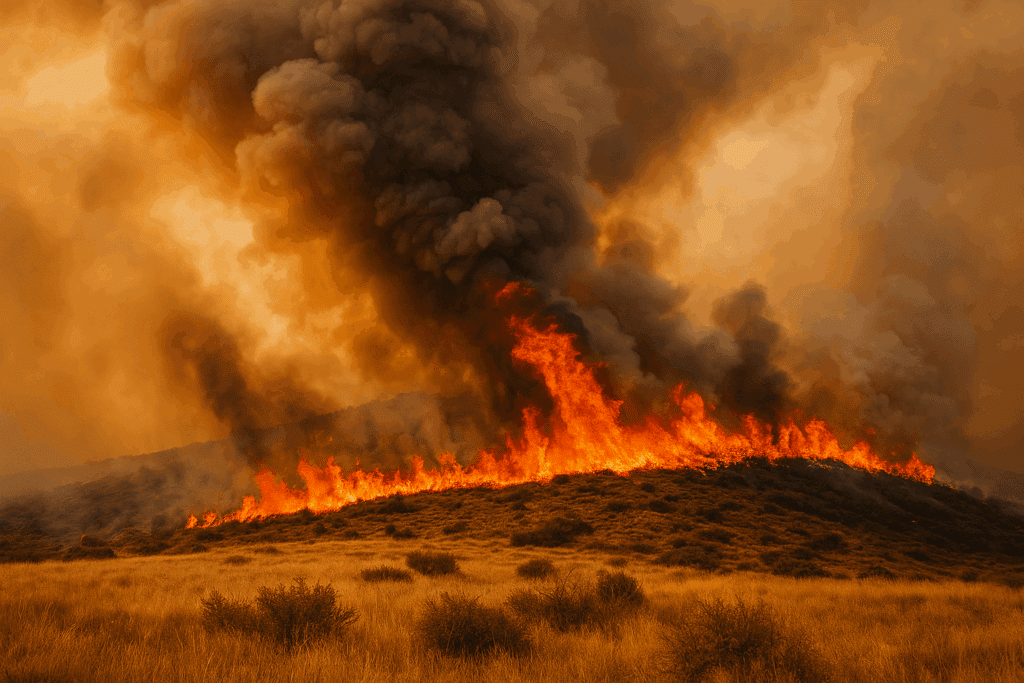
Picture of wildfires - Fire Buyer

Wildfires Ravage Spain Amid Record-Breaking Heat

Spain’s devastating wildfires this August were fuelled by what meteorologists have confirmed as the country’s most intense heatwave on record, according to the state weather agency AEMET. The fires, which have torn through parts of the north and west, come as a stark warning about the accelerating impacts of climate change. Between 3 and 18 August, extreme temperatures and parched conditions created an environment ripe for combustion. AEMET recorded a maximum temperature anomaly of 4.6°C above the established heatwave threshold—making this period the hottest since at least 1950. The agency noted that a 10-day stretch from 8–17 August was the hottest such period ever recorded in Spain, based on data dating back to the mid-20th century. The heat intensified an already dangerous fire season. With vegetation dried to tinder under sustained heat, wildfires broke out in multiple regions, overwhelming emergency services and prompting evacuations. Some areas, particularly in the northwestern regions of Galicia and Castile and León, saw entire communities threatened as flames spread rapidly across forested terrain. More than 1,100 excess deaths have been attributed to the heatwave, according to estimates from the Carlos III Health Institute. While heat-related mortality has become a recurring concern in Spanish summers, the deadly combination of extreme temperatures and out-of-control fires has underscored the need for urgent adaptation and mitigation strategies. Spanish Prime Minister Pedro Sánchez visited the fire-affected province of Cáceres this week, calling the current crisis a wake-up call. “What we are experiencing now is no longer an anomaly—it is the new normal,” Sánchez said, urging more robust national planning to face climate-driven disasters. Since 1975, AEMET has recorded 77 heatwaves in Spain. Six of these reached at least 4°C above the heatwave threshold, five of which have occurred since 2019. Scientists widely agree that climate change is increasing the frequency and intensity of such events, with hotter, longer summers creating ideal conditions for large-scale wildfires. AEMET noted that while each year may not be hotter than the last, the long-term trend is undeniable. “Current summers are hotter than in previous decades,” the agency stated. “There is a clear trend towards much more extreme summers. What is key is adapting to, and mitigating, climate change.” As firefighters continue to battle active blazes and communities assess the damage, calls are growing for long-term investments in wildfire resilience, including landscape management, early warning systems, and public education. For now, Spain’s experience serves as a warning to southern Europe and beyond: as the planet warms, fire seasons are no longer confined to the calendar—they are shaped by the climate.

Wildfires Ravage Spain Amid Record-Breaking Heat Read More »

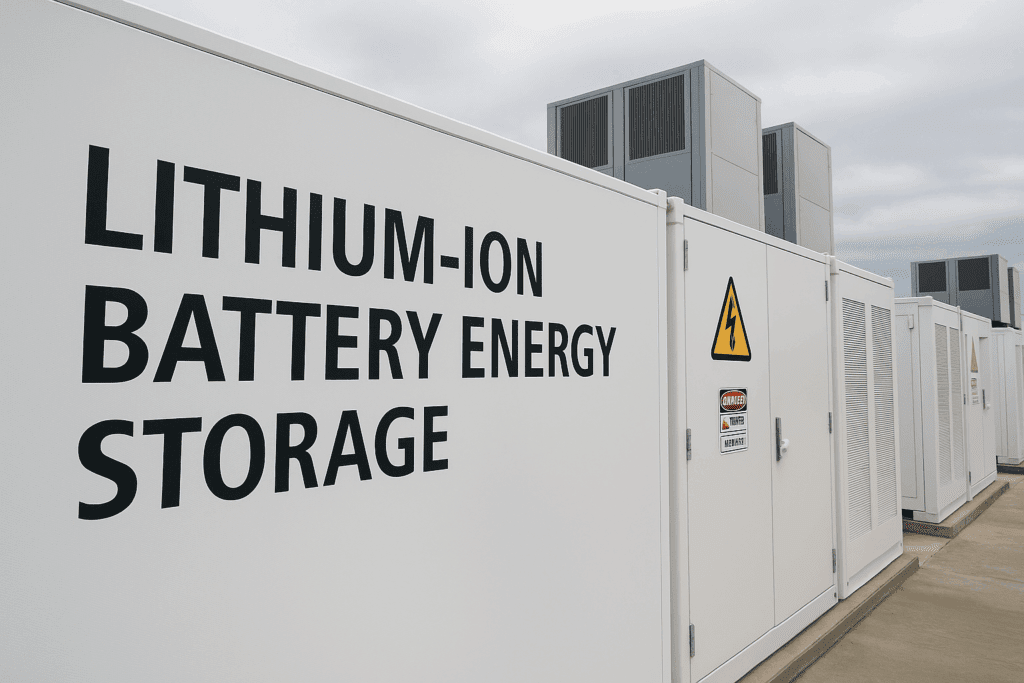
Picture of ithium-ion battery storage system - Fire Buyer

Lisbon to Host SFPE Battery Symposium

The Society of Fire Protection Engineers (SFPE) has announced its upcoming Engineering Solutions Symposium, focusing on lithium-ion battery fire safety, to be held in Lisbon, Portugal, from 11 to 13 November 2025. The event will examine lithium-ion battery fire risks across sectors including consumer electronics, e-bikes, electric vehicles (EVs), and battery energy storage systems. SFPE states the symposium is intended to unite researchers, engineers, insurers, manufacturers, facility managers, and first responders to explore risk management, regulation, and system design strategies. A three-day programme will feature technical presentations, panel discussions, and opportunities for dialogue, centred around the escalating fire safety challenges posed by lithium-ion technologies. SFPE notes that lithium-ion batteries are among the most urgent emerging hazards in fire safety, with the symposium exploring thermal runaway, updated fire codes, and mitigation strategies for high-risk applications such as EVs and energy storage facilities. Learning objectives include examining fire risks in new battery technologies, understanding the mechanics of thermal runaway, and discussing diagnostics, monitoring tools, and regulatory frameworks for battery fire safety. The event will also address the wider implications for emergency response and critical infrastructure protection. The programme is guided by an international committee and co-chaired by Adam Barowy and Professor Guillermo Rein, with participation from academia, industry, and government experts. Attendees will also take part in a site visit to a new data centre in Lisbon equipped with lithium-ion battery backup systems, providing a real-world perspective on system integration and risk mitigation. The symposium will be hosted at the Sheraton Lisboa Hotel & Spa, with early-bird registration open until 10 October 2025.

Lisbon to Host SFPE Battery Symposium Read More »

Scroll to Top