Staging Site!

Mike Brunzell Vice President of Global Business Development at the National Fire Protection Association® (NFPA®) - Firebuyer.com

Big Interview – Mike Brunzell

Mike Brunzell from the NFPA discusses the association’s global fire safety mission, evolving standards, emerging risks and how regulation, training and technology can strengthen prevention worldwide  Please introduce yourself and tell us about your work with the NFPA? I’m Vice President of Global Business Development at the National Fire Protection Association® (NFPA®). In my role, I’m focused on expanding the NFPA’s global footprint, helping grow sustainable business activity internationally to support our core mission, and strengthening fire and life safety worldwide.  The NFPA is a global, self-funded nonprofit organisation that has been in existence for 130 years. Its mission is to eliminate death, injury, property and economic loss due to fire, electrical and related hazards. We are a self-supported non-profit, meaning we support our mission through the sale of the products we develop, from codes and standards to training, digital products and certifications.   There have been several high-profile fires in recent times, such as the nightclub tragedy in Switzerland. How do these events underline the importance of regulation and compliance globally, and how can they be implemented more effectively? It’s always devastating to see this type of tragedy where NFPA has specifically highlighted nightclub and entertainment venue risks over the decades. Many of these incidents involve preventable failures that have been previously identified within NFPA Fire & Life Safety Ecosystem™; a framework of the essential interconnected elements that contribute to safety.   These tragedies often stem from predictable risk factors: flammable interior finishes, dangerous use of ignition sources, such as pyrotechnics and sparklers, inadequate or obstructed exits and failures in enforcement, all things that robust codes and compliance systems are designed to prevent.   To be more effective, we must continually learn from tragedies, revisit standards where necessary, and ensure that those standards are used and enforced within local regulatory frameworks. That means working with governments, fire authorities and industry to raise awareness of hazards before disasters occur.  NFPA has been expanding its global footprint. Where is progress accelerating fastest? Our global strategy prioritises regions experiencing rapid investment in built environments. Latin America and the GCC region are major growth areas for NFPA engagement.   We’ve established and maintained longstanding government relationships in those markets. That presence allows us to work closely with civil defence authorities, ministries and local fire safety professionals to assist in building regulatory frameworks, training programmes and compliance systems that fit the specific needs of each country.  The fastest progress tends to be in markets where safety is a clear government priority and where there is a willingness to engage with international expertise. We have to develop partnerships with governments where safety is a priority. That is where we can be most effective.   TO READ THE FULL ARTICLE READ THE LATEST ISSUE HERE.

Big Interview – Mike Brunzell Read More »
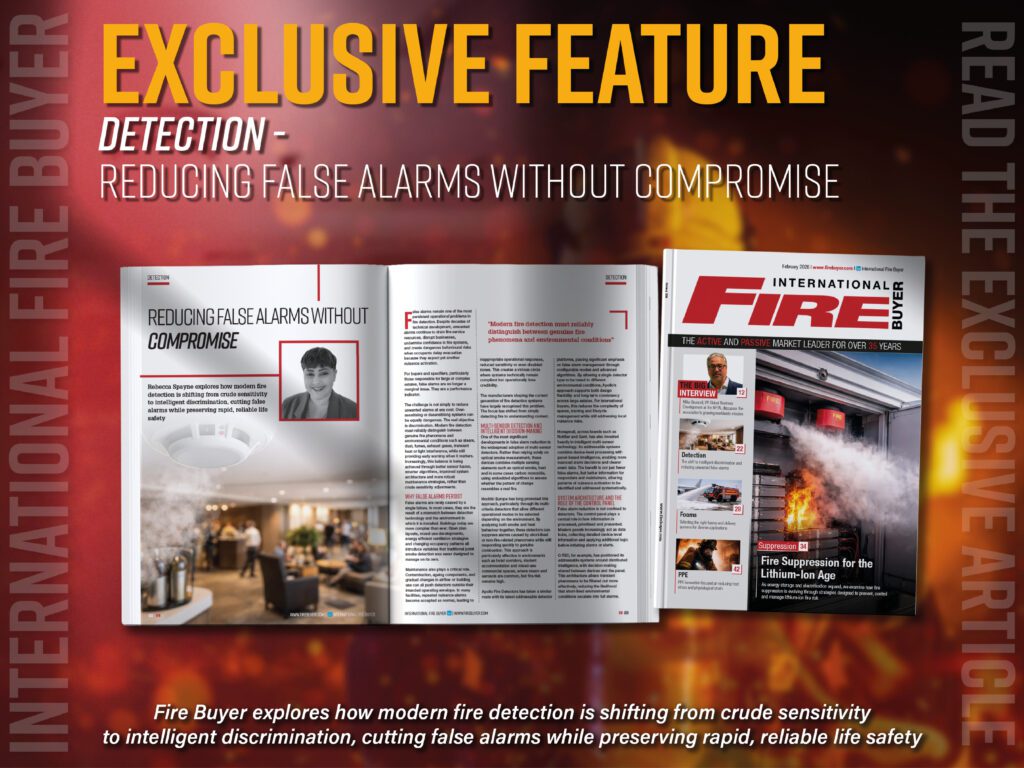
Reducing false alarms without compromising safety - Firebuyer.com

Exclusive feature – Reducing false alarms without compromising safety

Rebbecca Spayne explores how modern fire detection is shifting from crude sensitivity to intelligent discrimination, cutting false alarms while preserving rapid, reliable life safety  False alarms remain one of the most persistent operational problems in fire detection. Despite decades of technical development, unwanted alarms continue to drain fire service resources, disrupt businesses, undermine confidence in fire systems, and create dangerous behavioural risks when occupants delay evacuation because they expect yet another nuisance activation.   For buyers and specifiers, particularly those responsible for large or complex estates, false alarms are no longer a marginal issue. They are a performance indicator.  The challenge is not simply to reduce unwanted alarms at any cost. Over-sensitising or desensitising systems can be equally dangerous. The real objective is discrimination. Modern fire detection must reliably distinguish between genuine fire phenomena and environmental conditions such as steam, dust, fumes, exhaust gases, transient heat or light interference, while still providing early warning when it matters. Increasingly, this balance is being achieved through better sensor fusion, smarter algorithms, improved system architecture and more robust maintenance strategies, rather than crude sensitivity adjustments.  Why False Alarms Persist  False alarms are rarely caused by a single failure. In most cases, they are the result of a mismatch between detection technology and the environment in which it is installed. Buildings today are more complex than ever. Open plan layouts, mixed-use developments, energy efficient ventilation strategies and changing occupancy patterns all introduce variables that traditional point smoke detection was never designed to manage on its own.  Maintenance also plays a critical role. Contamination, ageing components, and gradual changes in airflow or building use can all push detectors outside their intended operating envelope. In many facilities, repeated nuisance alarms become accepted as normal, leading to inappropriate operational responses, reduced sensitivity or even disabled zones. This creates a vicious circle where systems technically remain compliant but operationally lose credibility.  The manufacturers shaping the current generation of fire detection systems have largely recognised this problem. The focus has shifted from simply detecting fire to understanding context.  Multi-Sensor Detection and Intelligent Decision-Making  One of the most significant developments in false alarm reduction is the widespread adoption of multi-sensor detectors. Rather than relying solely on optical smoke measurement, these devices combine multiple sensing elements such as optical smoke, heat and in some cases carbon monoxide, using embedded algorithms to assess whether the pattern of change resembles a real fire.  Hochiki Europe has long promoted this approach, particularly through its multi-criteria detectors that allow different operational modes to be selected depending on the environment. By analysing both smoke and heat behaviour together, these detectors can suppress alarms caused by short-lived or non-fire-related phenomena while still responding quickly to genuine combustion. This approach is particularly effective in environments such as hotel corridors, student accommodation and mixed-use commercial spaces, where steam and aerosols are common, but fire risk remains high.  TO READ THE FULL ARTICLE READ THE LATEST ISSUE HERE.

Exclusive feature – Reducing false alarms without compromising safety Read More »

Matching Firefighting Foam to Modern Fire Risk - Firebuyer.com

Exclusive feature – Matching Firefighting Foam to Modern Fire Risk

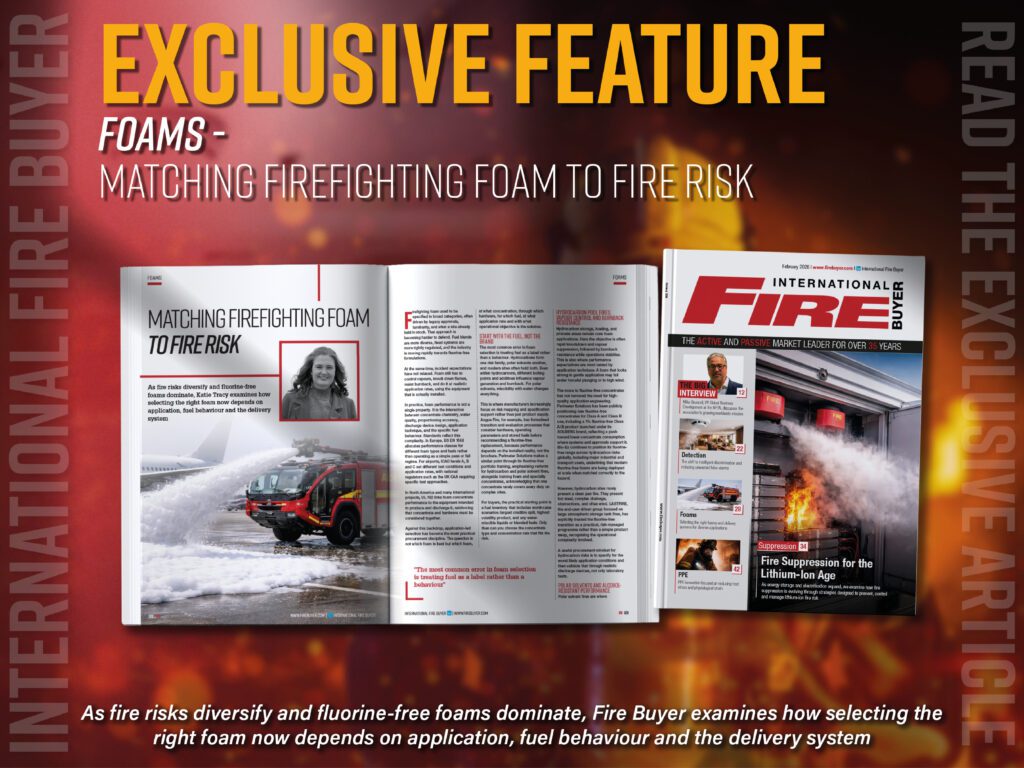
As fire risks diversify and fluorine-free foams dominate, Katie Tracy examines how selecting the right foam now depends on application, fuel behaviour and the delivery system  Firefighting foam used to be specified in broad categories, often driven by legacy approvals, familiarity, and what a site already held in stock. That approach is becoming harder to defend. Fuel blends are more diverse, fixed systems are more tightly regulated, and the industry is moving rapidly towards fluorine-free formulations.   At the same time, incident expectations have not relaxed. Foam still has to control vapours, knock down flames, resist burnback, and do it at realistic application rates, using the equipment that is actually installed.  In practice, foam performance is not a single property. It is the interaction between concentrate chemistry, water quality, proportioning accuracy, discharge device design, application technique, and the specific fuel behaviour. Standards reflect this complexity. In Europe, BS EN 1568 allocates performance classes for different foam types and fuels rather than operating as a simple pass or fail regime. For airports, ICAO levels A, B and C set different test conditions and application rates, with national regulators such as the UK CAA requiring specific test approaches.   In North America and many international projects, UL 162 links foam concentrate performance to the equipment intended to produce and discharge it, reinforcing that concentrate and hardware must be considered together.  Against this backdrop, application-led selection has become the most practical procurement discipline. The question is not which foam is best but which foam, at what concentration, through which hardware, for which fuel, at what application rate and with what operational objective is the solution.  Start With the Fuel, Not the Brand The most common error in foam selection is treating fuel as a label rather than a behaviour. Hydrocarbons form one risk family, polar solvents another, and modern sites often hold both. Even within hydrocarbons, different boiling points and additives influence vapour generation and burnback. For polar solvents, miscibility with water changes everything.  This is where manufacturers increasingly focus on risk mapping and specification support rather than just product supply. Angus Fire, for example, has formalised transition and evaluation processes that consider hardware, operating parameters and stored fuels before recommending a fluorine-free replacement, because performance depends on the installed reality, not the brochure. Perimeter Solutions makes a similar point through its fluorine-free portfolio framing, emphasising variants for hydrocarbon and polar solvent fires, alongside training foam and specialty concentrates, acknowledging that one concentrate rarely covers every duty on complex sites.  For buyers, the practical starting point is a fuel inventory that includes worst-case scenarios: largest credible spill, highest volatility product, and any water-miscible liquids or blended fuels. Only then can you choose the concentrate type and concentration rate that fits the risk.  Hydrocarbon Pool Fires, Vapour Control and Burnback Resistance Hydrocarbon storage, loading, and process areas remain core foam applications. Here the objective is often rapid knockdown and vapour suppression, followed by burnback resistance while operations stabilise. This is also where performance expectations are most tested by application technique. A foam that looks strong in gentle application may fail under forceful plunging or in high wind.  TO READ THE FULL ARTICLE READ THE LATEST ISSUE HERE.

Exclusive feature – Matching Firefighting Foam to Modern Fire Risk Read More »

Managing Heat Stress Through PPE Innovation - Firebuyer.com

Exclusive Feature – Managing Heat Stress Through PPE Innovation

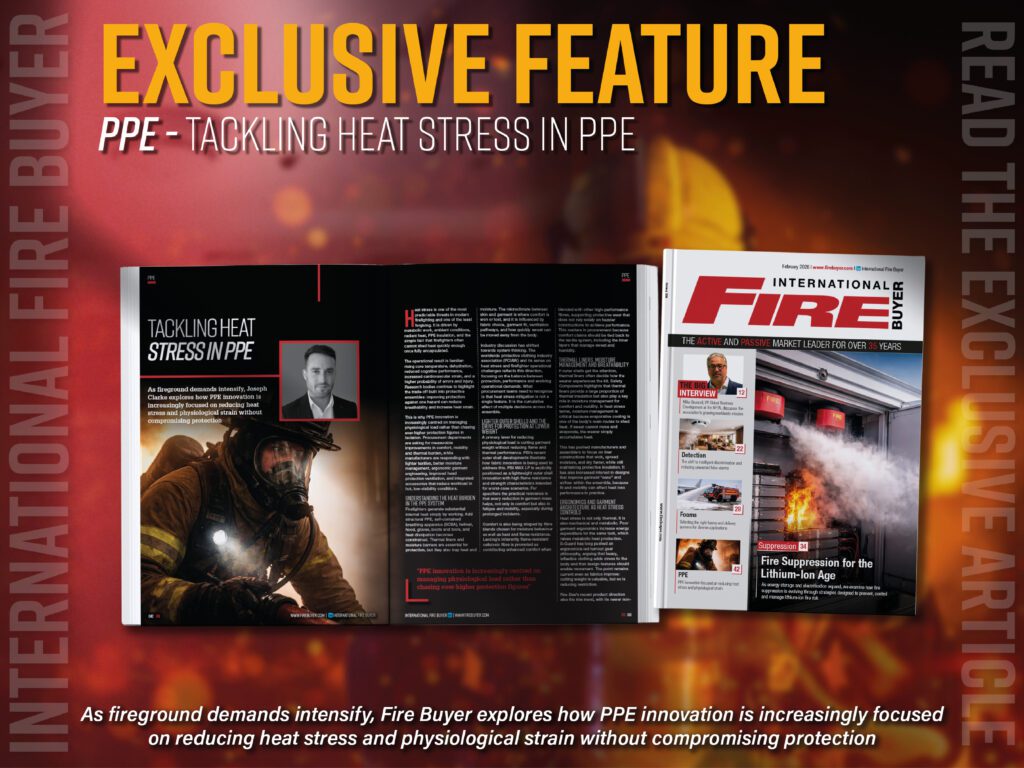
As fireground demands intensify, Joseph Clarke explores how PPE innovation is increasingly focused on reducing heat stress and physiological strain without compromising protection. Heat stress is one of the most predictable threats in modern firefighting and one of the least forgiving. It is driven by metabolic work, ambient conditions, radiant heat, PPE insulation, and the simple fact that firefighters often cannot shed heat quickly enough once fully encapsulated.   The operational result is familiar: rising core temperature, dehydration, reduced cognitive performance, increased cardiovascular strain, and a higher probability of errors and injury. Research bodies continue to highlight the trade-off built into protective ensembles: improving protection against one hazard can reduce breathability and increase heat strain.  This is why PPE innovation is increasingly centred on managing physiological load rather than chasing ever-higher protection figures in isolation. Procurement departments are asking for measurable improvements in comfort, mobility and thermal burden, while manufacturers are responding with lighter textiles, better moisture management, ergonomic garment engineering, improved head protection ventilation, and integrated accessories that reduce workload in hot, low-visibility conditions.  Understanding the Heat Burden in the PPE System Firefighters generate substantial internal heat simply by working. Add structural PPE, self-contained breathing apparatus (SCBA), helmet, hood, gloves, boots and tools, and heat dissipation becomes constrained. Thermal liners and moisture barriers are essential for protection, but they also trap heat and moisture. The microclimate between skin and garment is where comfort is won or lost, and it is influenced by fabric choice, garment fit, ventilation pathways, and how quickly sweat can be moved away from the body.  Industry discussion has shifted towards system thinking. The worldwide protective clothing industry association (PCIAW) and its series on heat stress and firefighter operational challenges reflects this direction, focusing on the balance between protection, performance and evolving operational demands. What procurement teams need to recognise is that heat stress mitigation is not a single feature. It is the cumulative effect of multiple decisions across the ensemble.  Lighter Outer Shells and the Drive for Protection at Lower Weight A primary lever for reducing physiological load is cutting garment weight without reducing flame and thermal performance. PBI’s recent outer shell developments illustrate how fabric innovation is being used to address this. PBI MAX LP is explicitly positioned as a lightweight outer shell innovation with high flame resistance and strength characteristics intended for worst-case scenarios. For specifiers the practical relevance is that every reduction in garment mass helps, not only in comfort but also in fatigue and mobility, especially during prolonged incidents.  Comfort is also being shaped by fibre blends chosen for moisture behaviour as well as heat and flame resistance. Lenzing’s inherently flame-resistant cellulosic fibre is promoted as contributing enhanced comfort when blended with other high-performance fibres, supporting protective wear that does not rely solely on heavier constructions to achieve performance. This matters in procurement because comfort claims should be tied back to the textile system, including the inner layers that manage sweat and humidity.  TO READ THE FULL ARTICLE READ THE LATEST ISSUE HERE.

Exclusive Feature – Managing Heat Stress Through PPE Innovation Read More »

Intersec 2026 Sets Global Benchmark for Fire, Safety and Security-Firebuyer.com

Intersec 2026 Underscores Global Commitment to Fire Safety

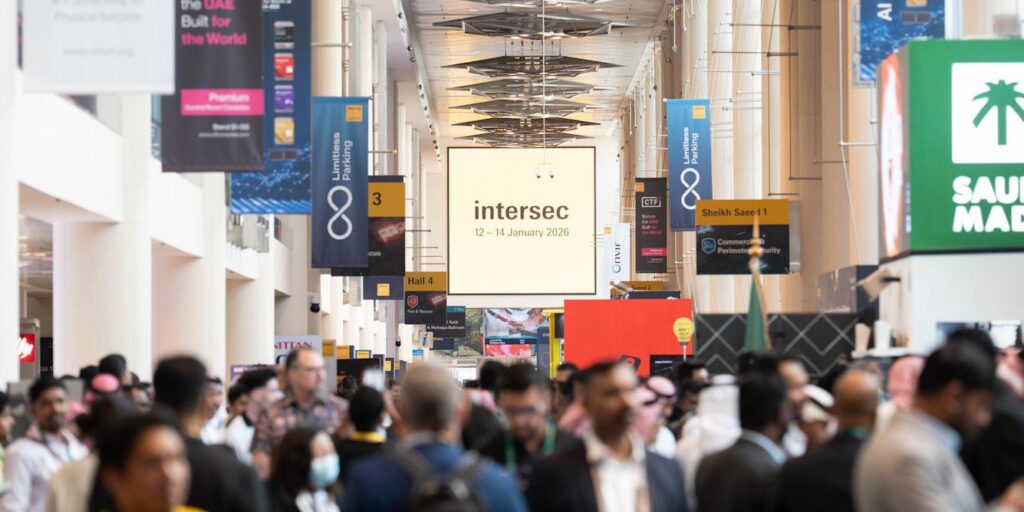
This year’s Intersec brought together the global fire industry in Dubai, uniting civil defence leaders, engineers, manufacturers, and standards bodies to shape the future of fire safety. The opening of Intersec 2026 at the Dubai World Trade Centre reaffirmed the event’s position as the world’s most influential platform for fire, safety, and emergency response professionals. Officially inaugurated by His Highness Sheikh Mansoor bin Mohammed bin Rashid Al Maktoum, Chairman of the Dubai Ports and Borders Security Council, the 27th edition of the exhibition placed fire and life safety firmly at the centre of global resilience planning, reflecting both the scale of today’s risk environment and the increasing interdependence between prevention, protection, and response.  Intersec has long served as a barometer for how the fire industry is evolving globally. In 2026, that evolution was unmistakable. The show demonstrated how fire safety is no longer treated as a discrete discipline, but as a foundational element within wider urban resilience, critical infrastructure protection, and emergency preparedness strategies.  The show in January welcomed more than 1,200 exhibitors from over 60 countries and attracted in excess of 50,000 visitors, making it the largest edition in the event’s history. At peak times, the halls reflected the intensity of that engagement, with crowded aisles and sustained dialogue across stands, conference rooms, and demonstration areas. Spanning approximately 65,000 square metres, the exhibition highlighted both the scale of international participation and the growing complexity of fire risk across high density urban environments, energy infrastructure, transport networks, and industrial facilities.  Accompanied by senior leadership from Dubai Civil Defence, Dubai Customs, State Security, SIRA, and the Dubai Corporation for Ambulance Services, His Highness toured a wide range of pavilions, including national fire authorities, global manufacturers, and engineering consultancies. The visit underscored how fire prevention, detection, suppression, and emergency response are increasingly integrated into wider safety and security ecosystems, particularly in rapidly developing cities.  “Intersec has become one of the world’s leading platforms dedicated to security and safety,” His Highness said. “The rapid evolution of security, safety and emergency response technologies requires constant integration between innovation, institutional readiness and practical application.”  For the global fire sector, that integration is no longer optional. It is fundamental to protecting life, property, and operational continuity in an era defined by high rise construction, energy transition, climate driven risk, and increasingly complex built environments.  Intersec Goes Global  A major milestone at Intersec 2026 was the official unveiling of Intersec Global, a unified international brand bringing together Messe Frankfurt’s global portfolio of security, safety, and fire protection events within a single connected ecosystem.  Headquartered in Dubai and aligned with UAE national priorities, Intersec Global positions the flagship UAE event as the anchor for international dialogue on fire and life safety, resilience, and emergency response. The expanded global portfolio now connects Intersec Dubai with Intersec Saudi Arabia, Intersec Europe, Intersec Shanghai, Intersec Buenos Aires, and the wider Secutech network across Asia.  For fire professionals, this shift carries practical significance. It signals increasing alignment between regional standards, global best practice, and operational delivery. Insights generated at Intersec Dubai now feed directly into discussions on fire codes, training frameworks, and response models across multiple continents, strengthening consistency while respecting regional operational realities.  TO READ THE FULL ARTICLE READ THE LATEST ISSUE HERE.

Intersec 2026 Underscores Global Commitment to Fire Safety Read More »

CEO Ronald Verkroost and Managing Director Emile Hippe _ Firebuyer.com

Desu Systems to showcase products at The Fire Safety Event

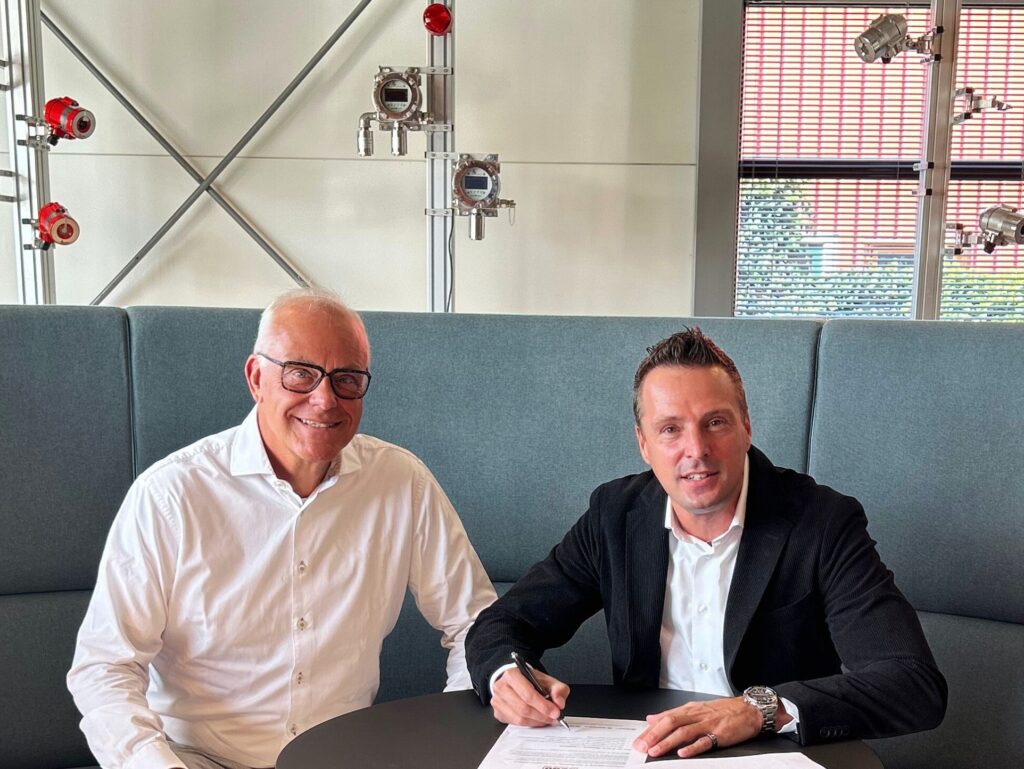
Desu Systems is due to exhibit at The Fire Safety Event. The c0mpany, which distributes Spectrex Flame & Gas Detection Equipment and Buckeye Kitchen Safety Solutions, will be at the show in Birmingham from Tuesday, April 28 to Thursday, April 30 Flame and Gas Detection Solutions on Display Anyone visiting their stand at the NEC can expect to speak with industry professionals. There will be practical discussions and demonstrations which will allow visitors to explore how its technologies are applied across regulated industrial and commercial environments. Desu Systems works closely with technology leaders including Spectrex, Rosemount, Hansentek, Buckeye, and Sensia. Through these partnerships, the company delivers a carefully curated portfolio of flame and gas detection and fire safety solutions, supporting installers, consultants, EPCs, and end users with both product availability and application expertise. Industry Conversations at the NEC Ronald Verkroost, CEO of Desu Systems, said: “Events like The Fire Safety Event are valuable because they create space for meaningful conversations.” “Our role goes beyond supplying technology. We work closely with partners and customers to ensure solutions are applied correctly, perform reliably, and meet the demands of real operating environments.” Emile Hippe, the company’s Managing Director, said:  “The UK market places strong emphasis on compliance, reliability, and long-term performance. “By exhibiting with our full team at stand H40, we can offer visitors direct access to the people who support projects from early specification through to implementation and ongoing operation.”

Desu Systems to showcase products at The Fire Safety Event Read More »

Fogmaker announces collaboration with MAN bus manufacturers - Firebuyer.com

Fogmaker announces collaboration with German bus manufacturer

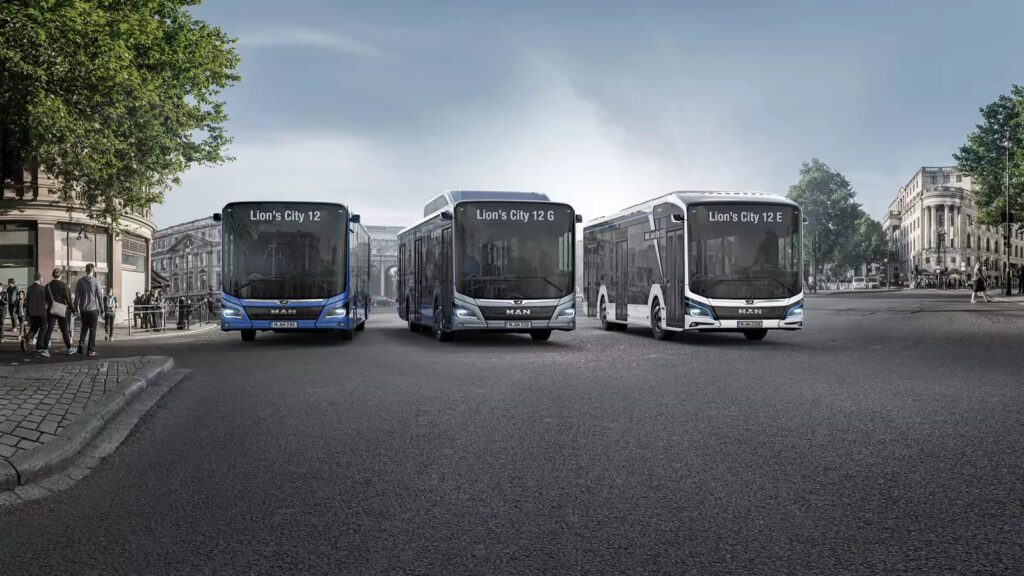
Fogmaker has announced a collaboration with a bus manufacturer. New MAN buses will integrate solutions from the Swedish fire suppression company. How the Sytems Works Fogmaker’s system works with high-pressure, water-based mist and is designed to detect and suppress fires rapidly, protecting the lives of driver and passengers as well as minimising damage and downtime. German company, MAN, produces between 5,000 and 6,000 buses a year. In Europe, the UNECE R107 regulation governs fire suppression systems in buses and coaches. MAN Bus Production and European Regulation The Fogmaker system is both R107 approved and IATF certified, which means the entire design and production process meets automotive-industry quality requirements. Johan Bjerstedt, Sales and Marketing Manager at Fogmaker International, said: “We are delighted to start this collaboration with MAN. “As one of the largest manufacturers, it is really strengthening our footprint in the European bus manufacturing market. “Fogmaker has invested in being a reliable automotive supplier and it is encouraging that this is recognized in the market.” Johan Stark, Key Account Manager, said: “We have been working on this project together for quite some time, and we are very excited that we soon will start delivering to the production sites. “We feel proud that the MAN vehicles leave the factory equipped with top-of-the-line fire protection.”

Fogmaker announces collaboration with German bus manufacturer Read More »

Interschutz to showcase safeguading tomorrow - Firebuyer.com

Interschutz to Showcase “Safeguarding Tomorrow”

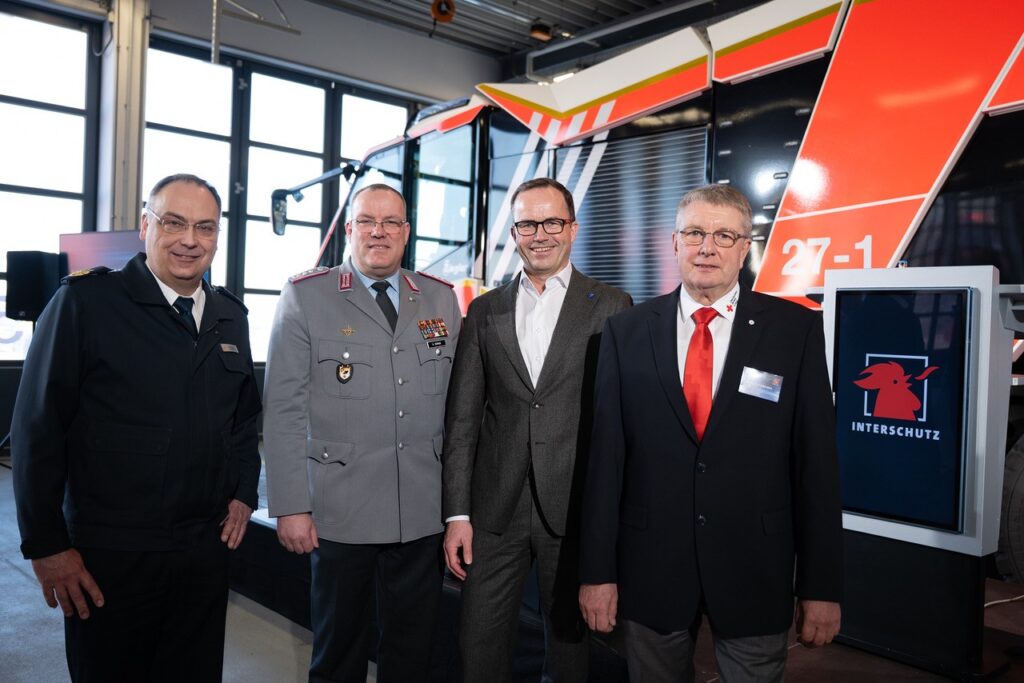
International trade fair, Interschutz, will be showcasing the growing challenges faced by emergency responders around the world. The six-day event in Hannover is due to present 1,525 exhibitors from 51 countries. From Monday, June 1 to Tuesday, June 6, there will be a spotlight on the “turning point in civil protection”, with products, solutions and services on display. Industry leaders highlight security and resilience Dr. Jochen Köckler, CEO of Deutsche Messe AG, said: “Intershutz is more than a trade fair – it is THE international meeting point for the sector focused on safety in increasingly uncertain times. “This makes it more than ever also a political trade fair.” “The turning point does not stop at national or regional borders – it is reflected in the everyday work of emergency responders. “Geopolitical tensions, climate change, crises, disasters, and hybrid threats can only be addressed effectively together. “Only integrated systems made up of fire services, rescue services, and civil and disaster protection agencies are truly capable of responding” Colonel (General Staff) Armin Schaus, Head of Division J9 (Civil-Military Cooperation), Bundeswehr Operational Command, added: “We can only safeguard our security together. This requires the state, industry, and society to stand closely and resiliently side by side. “Only as a united front can we protect what matters to us: our freedom and our democracy.” German Red Cross to unveil mobile hospital system Jürgen Christmann, Vice President of the German Red Cross (DRK), said: “Current and geopolitical threat scenarios make one thing clear: We must now invest decisively in preparedness, self-help capabilities, and the resilience of the population. “We cannot afford delays. As an auxiliary to the German authorities in the humanitarian field and Germany’s largest aid organization, we bear a special responsibility in civil protection. At the same time, we are an experienced actor in international humanitarian assistance. The DRK will present a large mobile hospital for the first time in Hall 23. “At Interschutz, we will present our mobile hospital, among other things, and demonstrate how state-of-the-art technology and highly complex logistics make a ‘hospital in a box’ possible – and what day-to-day clinical operations look like under crisis conditions.” Technology demonstrations and rescue competitions A comprehensive supporting program will accompany the presentations in the eight exhibition halls and on the open-air grounds. A Smart Public Safety Hub will showcase the future of operational command. As always, sports will also feature prominently: for example, at the FireFit European Championships, firefighters from around the world will compete. High-intensity action is guaranteed at the third edition of the HOLMATRO Rescue Challenge, where teams from around the globe will attempt to free a trapped patient from a vehicle in under 20 minutes using state-of-the-art rescue equipment. At the Interschutz Forum, suppliers, users, researchers and policymakers will present the latest industry topics and discuss challenges, opportunities, solutions and technological innovations. For example, the Federation of European Fire Officers (FEU) will hold its first Leadership Conference 2026 as part of Interschutz. Around 300 European leaders from fire and disaster services are expected to gather on the Hannover exhibition grounds from Wednesday, June 3 to Thursday, June 4.

Interschutz to Showcase “Safeguarding Tomorrow” Read More »

Pierce Manufacturing and SK Group - Firebuyer.com

SK Group orders first Pierce High Flow Industrial Pumper deployed outside US

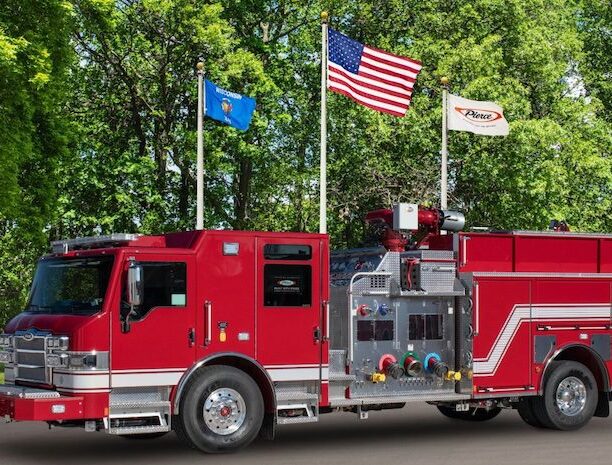
A South Korean company has ordered an industrial pumper to help it protect refinery operations. SK Group – the country’s second-largest conglomerate – has placed an order for a Pierce High Flow Industrial Pumper. The company is a global leader in energy, semiconductors and technology innovation. Its refinery operations rank among the world’s largest, with a capacity of approximately 840,000 barrels per day. The apparatus will be the first Pierce High Flow Industrial Pumper in service outside of the United States. Pumper selected for refinery protection Hwang YoonSeong, General Foreman, Safety Team at SK Group, said: “Our recent tank fire incidents made it clear we needed a higher-performance solution, and the Pierce High Flow Industrial Pumper stood out immediately. “After reviewing multiple global options, Pierce delivered an exceptional combination of performance, mobility and maintainability. SK Group strengthens refinery fire response “Since 2018, every one of our seven new fire trucks has been a Pierce, supported reliably by MS Trade Company. “Seeing the High Flow Industrial Pumper firsthand during testing and hearing strong feedback from current Pierce industrial apparatus customers gave us full confidence to move forward. “Pierce has become our trusted partner for critical emergency response.” First deployment of Pierce industrial pumper outside US Kristopher Zweiger, Product Manager, Pierce Manufacturing, said: “SK Group’s refineries operate across large-scale, high-risk environments where response performance, reach and reliability are critical. “This project reflects a true collaboration between Pierce, MS Trade Company and SK Group’s safety team. “The high flow industrial pumper provides the volume, mobility and flexibility needed to protect facilities that cannot be adequately covered by fixed systems alone.”

SK Group orders first Pierce High Flow Industrial Pumper deployed outside US Read More »

Oshkosh Airport Products Striker Volterra 6x6 Electric ARFF vehicle - Firebuyer.com

Paris airport orders fourth Oshkosh ARFF

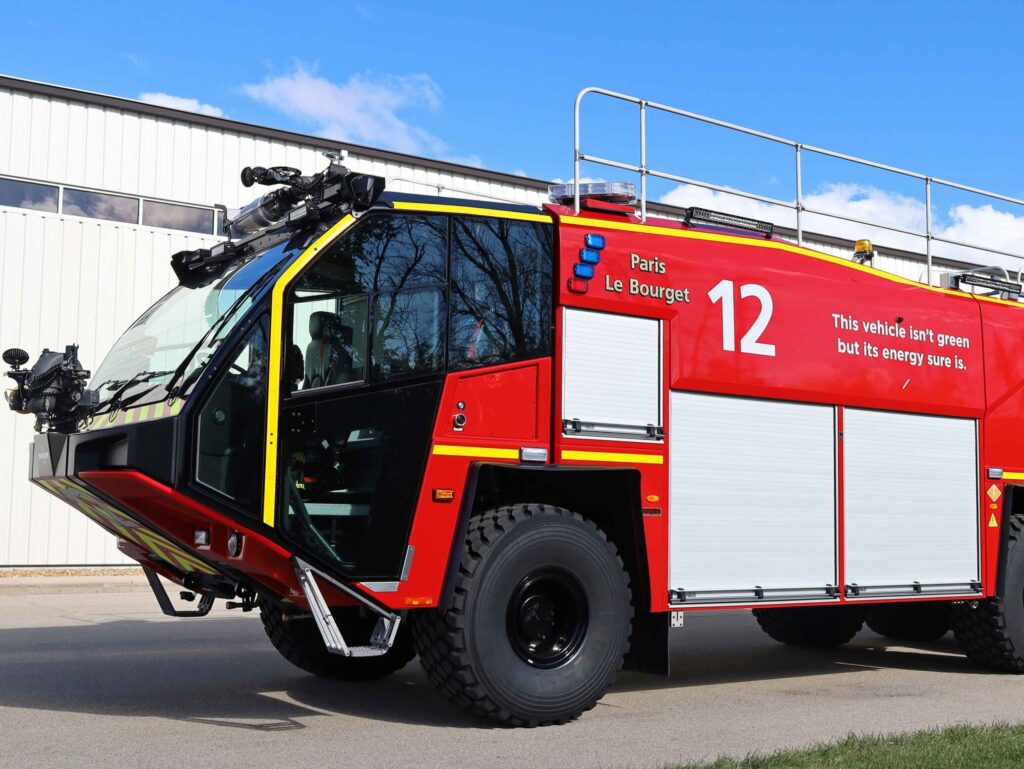
An airport in Paris has once again ordered a ARFF from Oshkosh Airport Products. Paris-Le Bourget Airport has placed an order for a fourth Oshkosh Striker Volterra. Strenghtening firefighting fleet The purchase of the 6×6 electric ARFF follows the initial purchase, pursuant to a public procurement procedure, of three other Strikers which were delivered at the end of last year. The airport north of the French capital is Europe’s largest executive and business airport. Its location and operational profile require ARFF vehicles capable of supporting a wide range of response scenarios across dense urban surroundings. The Striker Volterra fleet features a patented Oshkosh electric powertrain paired with an electro-mechanical infinitely variable transmission. Sustainable ARFF operations This configuration enables zero emissions operation during station entry, standby and low-speed movement. Marcus Laan, Manager of Business Development at Oshkosh Airport Products, said: “These vehicles support operational needs across the airfield while aligning with modern sustainability goals. “We look forward to continuing this collaboration as the airport strengthens its emergency response resources.” The vehicles are equipped with bus-style stack doors for improved compartment access, a camera-based mirror system for enhanced visibility and an extensive lighting package for optimized scene illumination. Three of the vehicles also feature a roof turret, while the fourth features a Snozzle High Reach Extendable Turret (HRET). Historic European Airport All four vehicles were configured to match one another, simplifying operator training and long-term fleet management. Paris-Le Bourget Airport is famous for being the landing site for Charles Lindbergh’s historic solo transatlantic crossing in 1927 in the Spirit of St. Louis. As well as supporting business flights, it also hosts air shows including the Paris Air Show.

Paris airport orders fourth Oshkosh ARFF Read More »

Scroll to Top