
What technological innovations and different types of fire alarms are currently prevalent in the industry and how do they protect people, buildings and assets?
Fire alarms are essential to home safety, their primary purpose is to detect fires and alert those in a building so they can evacuate to safety. There are a range of different fire alarms, from smoke detectors to interlinked alarm products, each suited for a different area. They work in different ways, each with varying benefits – but all have the same purpose to ensure fire safety.
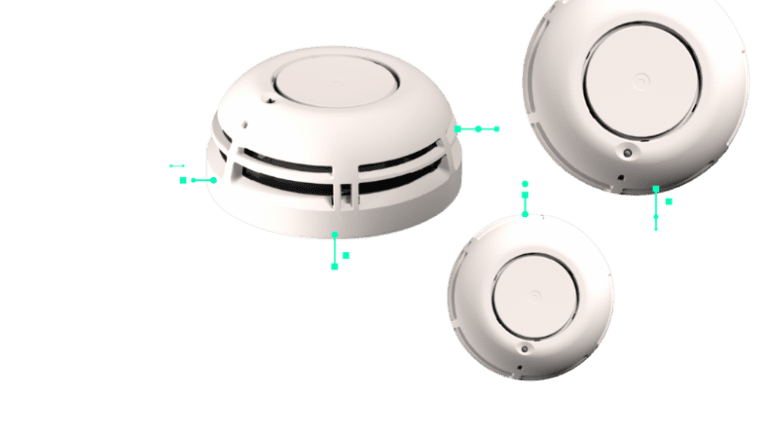
Fire alarms are devices that are proven to save lives and are one of the most major investments your business and company can make. A fire alarm also called as a smoke detector or a smoke alarm basically emits a signal, whether it is a horn, siren or buzzer, as an alert or warning that a fire has started in the premises. The earlier a fire is detected by the fire alarm, the quicker it will be for the firefighters to respond. This means that you can easily avoid major damage to the property as well as a casualty of people.
The choice of fire alarm system depends on the building structure, the purpose and use of the building and current legislation. In new or altered buildings the enforcement body is the local building control, and the relevant guidance is explained in section new or altered buildings. All existing buildings except domestic premises are subject to regulations. For example in the UK, The Regulatory Reform (Fire Safety) Order 2005 and the Responsible Person, as defined in the order, has to conduct a fire risk assessment. This FRA will decided the appropriate British standard necessary to provide a suitable and sufficient solution for the premises. The enforcement body is the Fire and Rescue Service and the Department of Communities and Local Government (DCLC) have published a number of guidance documents for premises subject to the RR(FS)O. This is particularly important since none of the legislation gives any detailed information on the type of system required but the guidance usually indicates appropriate British standards. The main standard for fire alarm systems is BS5839 pt1:2017.
Conventional fire alarms
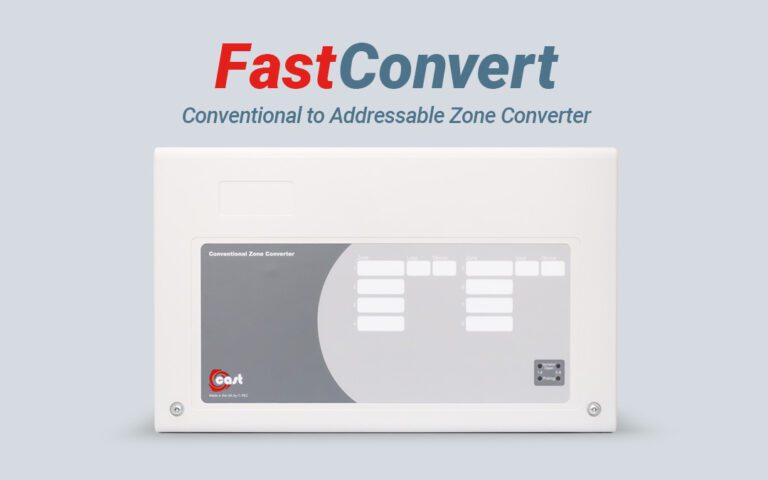
In a conventional fire alarm system, a number of call points and detectors are wired to the fire alarm control panel in zones. A zone is a circuit and typically one would wire a circuit per floor or fire compartment. The fire alarm control panel has a number of zone lamps. The reason for having zones is to give a rough idea as to where a fire has occurred. This is important for the fire brigade and of course for the building management. The accuracy of knowing where a fire has started is controlled by the number of zones a control panel has and the number of circuits that have been wired within the building. The control panel is wired to a minimum of two sounder circuits which could contain bells, electronic sounders or other audible devices. Each circuit has an end of line device which is used for monitoring purposes.
To read the full article see our latest issue: December/ January 2022 Single Issue – Fire Buyer International
Media contact
Rebecca Morpeth Spayne,
Editor, International Fire Buyer
Tel: +44 (0) 1622 823 922
Email: editor@firebuyer.com