Fogmaker
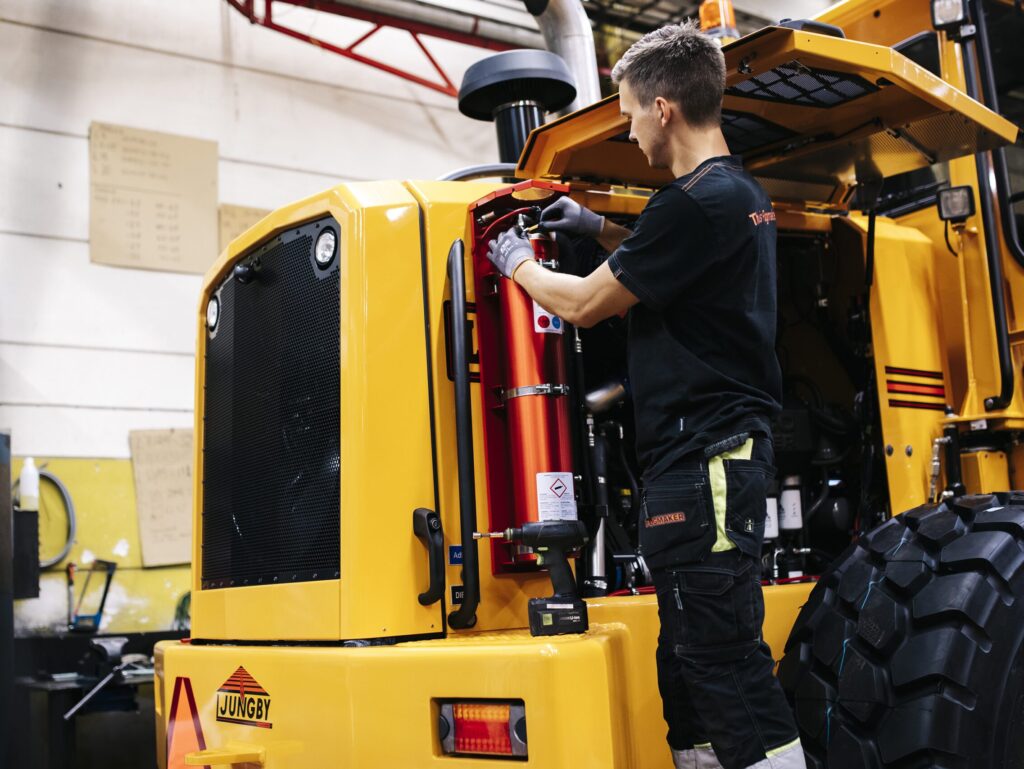
The Fogmaker fire suppression system is a globally recognised solution designed to deliver rapid, effective fire protection for enclosed engine compartments and high-risk machinery and vehicle environments. Operating on a proven principle of high-pressure water mist, the system tackles fires at their earliest stage by cooling hot surfaces, reducing oxygen levels and blanketing fuel sources to prevent reignition. Unlike powder- or gas-based alternatives, water mist penetrates deep into confined areas and spreads evenly, ensuring comprehensive suppression across the entire protected space. Fogmaker is a self-contained, always-ready system, which means it operates independently of external power supplies and remains on standby 24 hours a day. This resilience is particularly important in sectors where downtime and system failure are not acceptable, such as heavy industry, mining, forestry, construction, buses, coaches, and electric vehicles. Its simplicity of design combined with highly reliable detection ensures that activation is immediate and automatic when a fire event is detected. A defining feature of Fogmaker is its extended discharge time. Where many suppression systems release extinguishing agents in a short burst, Fogmaker delivers a sustained mist release. This prolonged action maintains surface cooling and reduces the risk of dangerous re-ignition, giving operators and passengers crucial extra time for safe evacuation and controlled shutdown of equipment. At the same time, the fine mist uses minimal water quantities, which reduces clean-up and avoids secondary damage. The system is backed by extensive third-party certifications, including FM Approval and R107 compliance, and incorporates an environmentally responsible extinguishing agent with no PFAS content. This combination of performance, safety, and sustainability has led to Fogmaker being installed in tens of thousands of machines and vehicles worldwide. With decades of field-proven reliability and ongoing innovation, Fogmaker has established itself as a trusted safeguard for critical assets, operations, and — most importantly — human life.