Manchester hosts a pivotal moment for fire suppression innovation as the International Water Mist Conference convenes global experts, fresh research, and critical industry debate.
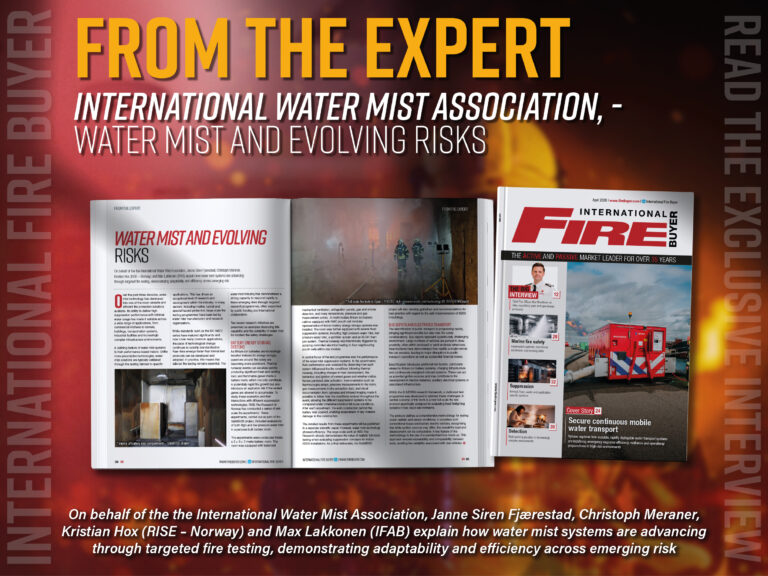
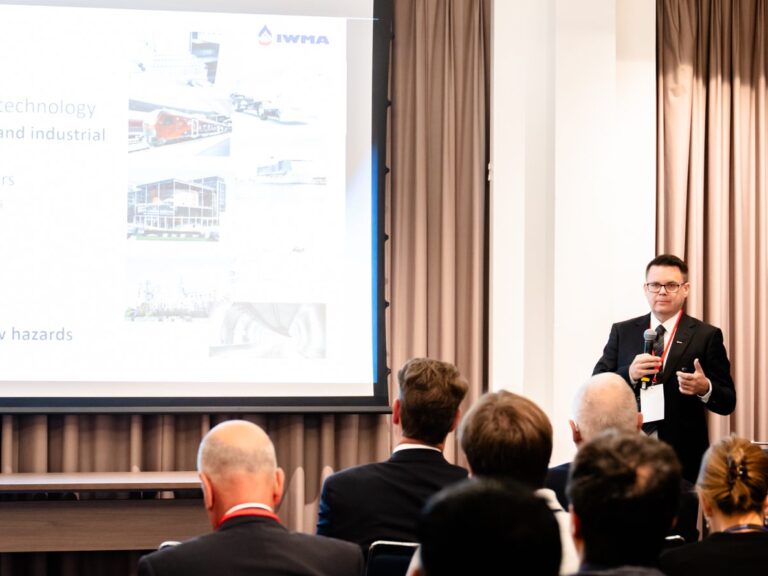
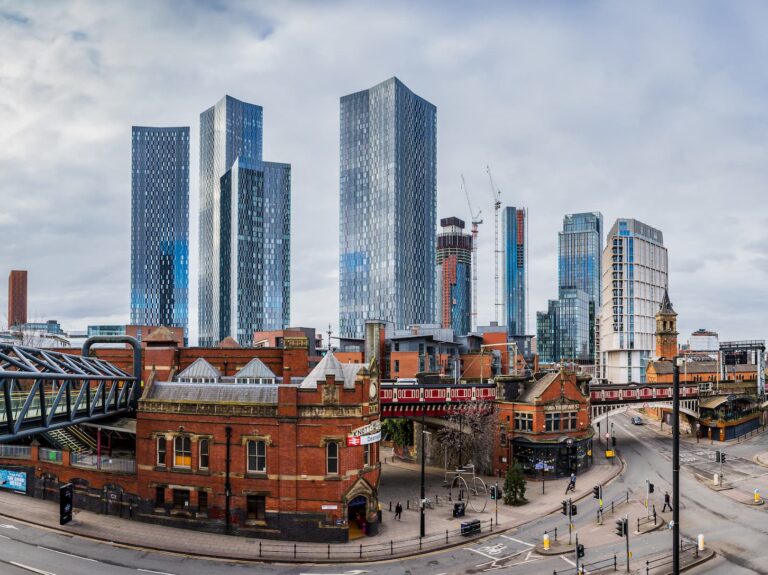
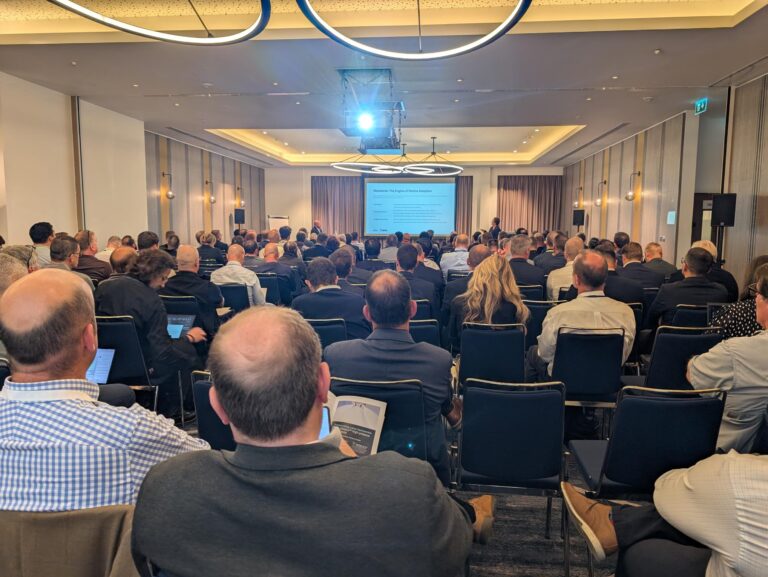
The 24th International Water Mist Conference (IWMC) will take place in Manchester, UK, on 24th and 25th September 2025, marking a critical opportunity for fire safety professionals, engineers, researchers, and policy makers to explore the state of play in water mist technology.
Organised by the International Water Mist Association (IWMA), the conference promises a forward-facing agenda across 24 presentations and a keynote panel on UK standardisation, with attendees from industry, academia, and regulatory sectors.
As the fire safety landscape shifts in response to decarbonisation, urban densification, and new building technologies, IWMC 2025 positions water mist systems at the intersection of performance, sustainability, and resilience. Across two days, delegates will gain insight into new applications, evolving standards, and the engineering realities of deploying mist systems in demanding scenarios.
Modern challenges
Key sessions this year highlight how water mist is responding to some of today’s most pressing built environment challenges. Among the standout case studies is the recently completed fire suppression retrofit in the Notre Dame Cathedral.
Following the devastating 2019 blaze, high-pressure water mist was selected by project leads as the optimal solution for balancing fire protection with architectural sensitivity. Antti Hurme, Senior Manager at Marioff, will detail the project’s technical hurdles, from preserving heritage features to adapting hydraulic designs within a centuries-old structure. Notably, Notre Dame is the first cathedral in France to be protected by this type of system.
Elsewhere, the vertical city comes into focus. As Managing Director of Fixed Firefighting Systems at Fogtec, Rüdiger Kopp will explore the role of water mist in high-rise buildings, where evacuation complexities and system constraints present major challenges.
Using Berlin’s Gasometer building at the EUREF Campus as a focal point, Kopp will unpack design considerations, VdS 3188 compliance, and real-world performance metrics achieved during rigorous fire testing.
His presentation reinforces the suitability of high-pressure mist for tall structures, citing reduced pump requirements, faster suppression, and minimal water damage.
Several IWMC 2025 sessions will also explore the tension between preservation and protection, particularly in buildings with heritage designation or mixed-use occupancy.
Fire engineers are increasingly tasked with reconciling modern suppression needs with historic architecture or multipurpose floorplans. Presentations in this area will examine hybrid system integration, nozzle placement strategies, and hydraulic considerations in restricted or sensitive environments.
Digital demands and energy transitions
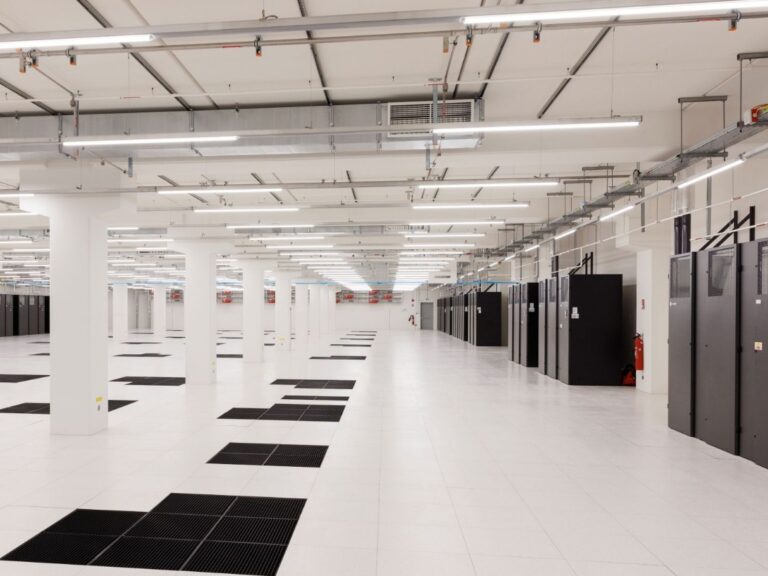
With artificial intelligence driving exponential data centre growth, new fire risks are emerging from high-density racks, immersion cooling, and lithium-ion battery units. Riccardo Cerati, Sales Director EMEA at VID Firekill, will argue that legacy sprinkler infrastructure is no longer fit for these rapidly evolving sites.
His session presents water mist as a flexible, effective alternative that can adapt to new layouts and thermal risks. Emphasising the pace of transformation, Cerati calls for design strategies that anticipate rather than react to these changes.