
Alan Brinson, Executive Director of the European Fire Sprinkler Network (EFSN), examines the economic, regulatory and cultural realities shaping suppression technologies
Alan Brinson entered the fire protection industry in the early 1990s and witnessed water mist technology from its earliest demonstrations through to modern standardisation efforts. His perspective is shaped by decades of involvement in European fire safety lobbying, regulatory reform and technical committees across sprinkler and mist systems. Experience in both sectors has made it clear that water mist and sprinklers are often incorrectly positioned as direct competitors. In reality, they serve overlapping but strategically different roles within the fire protection landscape.
If water mist uses less water and causes less damage, why hasn’t it overtaken sprinklers in mainstream building protection?
The logic appears straightforward: less water should mean less damage and more flexibility. Yet widespread replacement of sprinklers with water mist has not happened. The first barrier is economic scale. Sprinklers benefit from decades of mass production, with millions of heads installed annually. That scale drives costs down and procurement departments still see sprinkler systems as the default regulatory choice.
Mist systems tend to be manufactured in smaller volumes, limiting price competitiveness in broad area coverage applications such as commercial, residential and logistics buildings. Building owners do not buy fire protection to gain commercial advantage. It does not increase rental income or revenue, and in many cases, designers even try to hide the existence of sprinklers from photographs and marketing imagery. Fire protection is still treated primarily as a compliance cost. In that mindset, the cheapest compliant solution – usually sprinklers – wins the order.
Is the issue simply about cost, or does space and engineering integration also play a role?
Space efficiency is a major advantage for water mist, but only in scenarios where space has measurable economic value. In dense urban environments, losing four car parking spaces in a basement to a sprinkler tank represents a significant financial impact. In those conditions, a more compact mist system that reduces tank volume and pipe diameter can generate real commercial benefit. The same applies to high-rise buildings, where riser space and shaft allocation are already under pressure.
Mist can offer serious layout advantages, but developers only recognise that value when fire protection is integrated early into the design process. When fire systems are pushed to the end of the project timeline, the brief usually becomes simply to meet code at the lowest cost. Under that procurement logic, sprinklers remain dominant.
Does that make mist better suited to local application markets rather than full building protection?
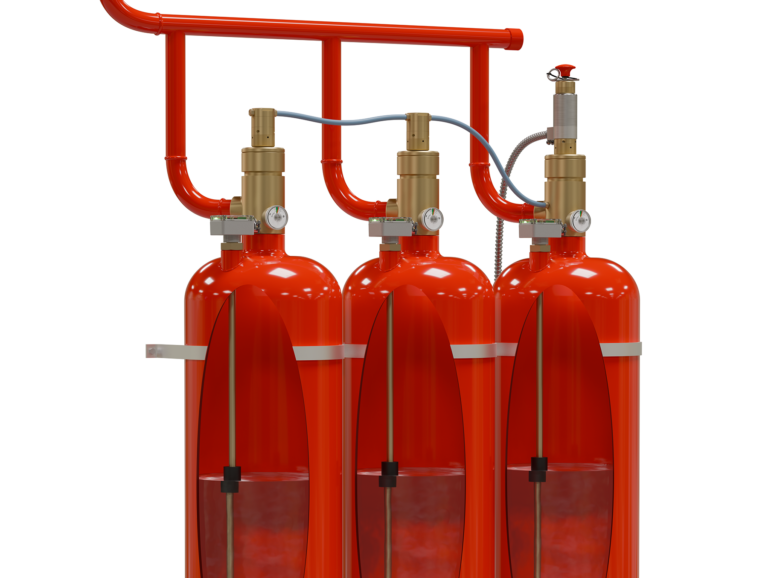
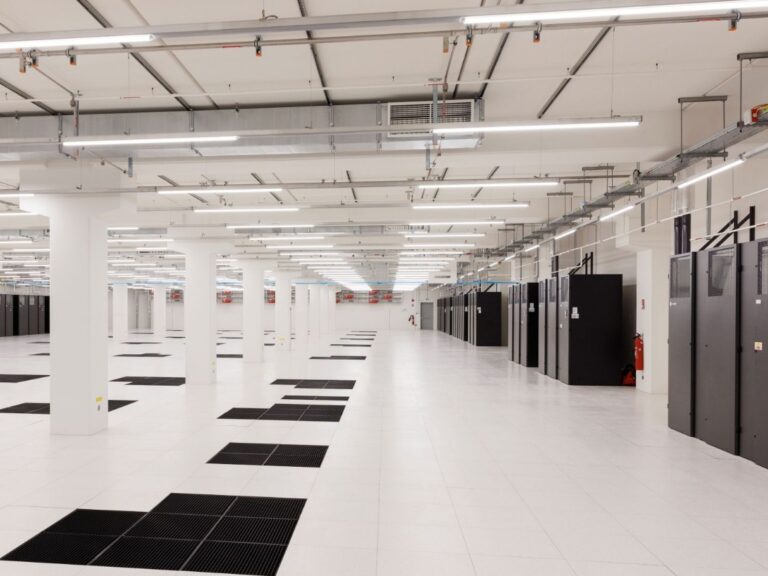
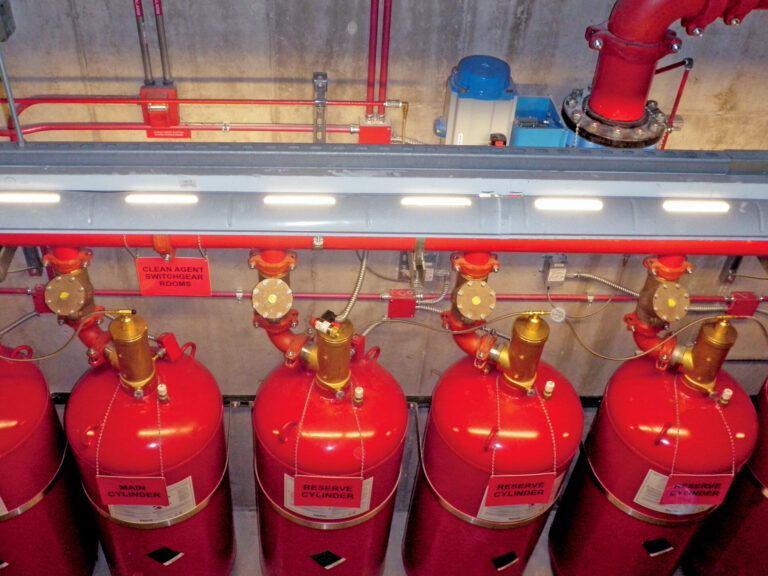
In many cases, yes. Mist is rarely competing with sprinklers in its strongest market segments. It more often replaces gas suppression, deluge or spray systems in high-value technical risks such as data rooms, switchgear, energy storage or machinery spaces. In those environments, the priority is business continuity and limiting disruption rather than meeting a regulatory minimum. Insurers tend to be more receptive to mist when the system is protecting high-value assets rather than fulfilling building code obligations.
In these sectors, the comparison is not mist versus sprinkler but mist versus fire-resistant glazing, complex compartmentation, advanced detection or sealed gas systems. When viewed from that perspective, mist becomes part of a performance-driven engineering solution instead of being assessed against mass-produced sprinkler heads designed for a completely different use case.