Staging Site!

Picture of Andy Spence headshot - Photo by Britannia Fire - Fire Buyer

Quick Fire: Andy Spence, Britannia Fire

What was your first role in the industry? My first position was with the fire safety product supplier, Thomas Glover as Sales Manager …in the last Millennium I hasten to add. What’s the most challenging professional incident you’ve had to deal with? Introducing our P50 composite fire extinguisher to the fire industry and gaining acceptance was a huge challenge, and continues to be so. Too many naysayers were determined to stifle innovation and resist change, even when the product was clearly better for the customer and the environment. It has taken a lot of determination over the last 15 years, but the success of the P50 has absolutely proved them wrong! What’s one item or piece of kit you wouldn’t be without? My phone – like everyone these days. What’s your favourite tech innovation of recent years? The P50 App which guides customers through registering and maintaining their fire extinguishers. What’s a common misconception about your job or sector? Many would be disappointed to learn that there are still unscrupulous individuals and companies operating in the sector putting profits before their customers. Whether it’s needlessly condemning fire extinguishers that are perfectly suitable, or using misinformation to profiteer from pending PFAS and PFOA legislation, I’ve seen some scandalous behaviour over the years, and it’s still going on today. This type of behaviour undermines everything the Fire industry is trying to achieve. Who’s someone in the industry you really admire? Sir Ken Knight, who through his various roles has brought integrity to the industry. He’s a genuine champion of innovation and is passionate about the advancement of safer standards for the general public. He has to be applauded. If you weren’t in the fire industry, what would you be doing? I’d be a banker. Or perhaps renting jet skis on a beach in Thailand! Coffee or tea on a long shift? Coffee and copious amounts of it. If your life had a motto, what would it be? If they say it will never take off – prove them wrong!

Quick Fire: Andy Spence, Britannia Fire Read More »
Forging Consistency: The Unification of Standards in PPE - Fire Buyer

Forging Consistency: The Unification of Standards in PPE

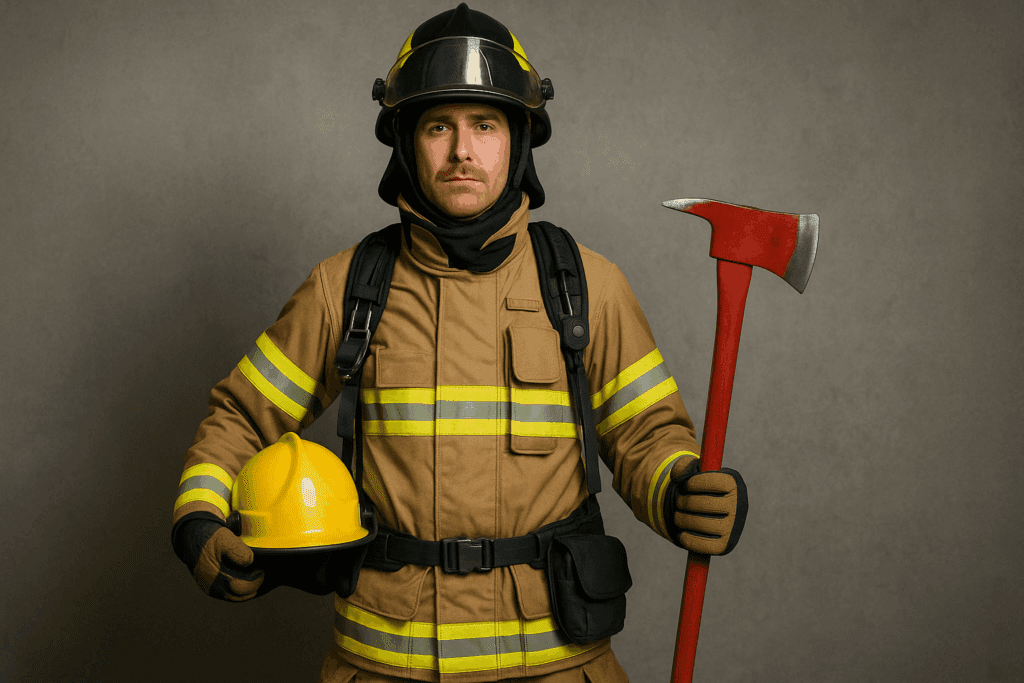
Rebecca Spayne, Managing Editor of Fire Buyer explores how NFPA 1970 is redefining firefighter PPE, driving modular innovation, material compliance, and inclusive ensemble design. The evolution of personal protective equipment (PPE) for firefighters is not just a story of technological advancement—it is a strategic response to increasingly complex and hazardous operating environments. As the profile of fire risks has shifted from traditional structural threats to include wildland-urban interface (WUI) fires, lithium-ion battery incidents, and prolonged exposure to toxic environments, the demand for performance-driven and standardised PPE has intensified. In recent years, a growing international consensus has emerged around the need for harmonisation of PPE standards. Yet, this effort is anything but straightforward. National and regional frameworks such as NFPA 1970 in North America, EN469 in Europe, and AS/NZS 4967 in Australasia differ in scope, testing methodology, and compliance thresholds. While these standards have each played a critical role in advancing firefighter safety, their divergence has presented significant challenges to manufacturers, procurement teams, and fire service leaders seeking both innovation and interoperability. “Fire safety is a shared responsibility,” said Olga Caledonia, Director of Global Business Development at the National Fire Protection Association (NFPA). “Each stakeholder—from the government to the private sector—must work together to ensure that standards are not only developed, but implemented and enforced.” The recent consolidation of five individual National Fire Protection Association (NFPA) standards into NFPA 1970 marks one of the most significant regulatory shifts in firefighter PPE in recent years. By integrating NFPA 1971 (turnout gear), 1975 (station/work uniforms), 1981 (SCBA), 1982 (PASS), and 1999 (emergency medical garments), the NFPA has moved decisively toward a system-level approach to PPE regulation—one where ensemble performance takes precedence over individual component certification. Doug Dafler, Director of Sales – Fire (US) and Lee Glanville Rothman, Business Development Manager, Global – Pacific Helmets at Lakeland explained: “NFPA 1970:2025 is not the beginning of standard consolidation, but rather a continuation of a trend initiated with NFPA 1971:1997, which merged turnout gear, helmets, gloves, and footwear into a single standard. The latest edition now integrates NFPA 1975 (Station Wear), NFPA 1981 (SCBA), and NFPA 1982 (PASS), marking a significant step toward unified PPE regulation for structural firefighting.” They continued: “NFPA 1970 aims to deliver consistency in testing methodologies and reinforce ensemble-level performance expectations. We view this as a holistic, approach, which aligns with how firefighters operate, where protective garments and equipment must function together, not in isolation.” However, the implications for manufacturers are complex, particularly regarding material compliance. “The introduction of ‘restricted substance testing’ to NFPA 1970 has been a considerable challenge for manufacturers, including both raw material suppliers and end-product manufacturers. Lakeland Fire + Safety is responding as time-efficiently as possible by remaining closely engaged with its suppliers, collaborating to understand and integrate new material innovations that address restricted substances testing and the ongoing shift to fluorine-free moisture barrier solutions. “The collaboration between Lakeland and our suppliers is complex, as both parties navigate the same compliance timelines to bring certified materials and finished products to market. Achieving synchronisation across the supply chain is critical to ensuring readiness without compromising product integrity.”

Forging Consistency: The Unification of Standards in PPE Read More »

Architectural Institutes Form Alliance on Fire Safety Standards - Fire Buyer

Architectural Institutes Form Alliance on Fire Safety Standards

The leading architectural institutes from across the UK and the Republic of Ireland have announced a new cross-jurisdictional alliance to strengthen fire and life safety in building design. Formed in response to the Grenfell Tower Inquiry Phase 2 report, the alliance—named The Belfast Group—includes the Royal Institute of British Architects (RIBA), the Royal Society of Ulster Architects (RSUA), the Royal Incorporation of Architects in Scotland (RIAS), the Royal Society of Architects in Wales (RSAW), and the Royal Institute of the Architects of Ireland (RIAI). The Belfast Group’s mission is to harmonise fire safety design guidance across the five jurisdictions and ensure that architects, regardless of location, are equipped with the same high standards and core competencies in fire and life safety design. The initiative will not only target professional standards for architects but also aims to provide standardised fire safety guidance for other construction professionals. By improving access to key regulations, technical documents, and Best Practice frameworks, the group hopes to promote better-informed decisions in both procurement and project resourcing. In a joint statement, the five institute presidents—Muyiwa Oki (RIBA), John Lavery (RSUA), Karen Anderson (RIAS), Dan Benham (RSAW), and Sean Mahon (RIAI)—emphasised that the move reflects a shared responsibility to elevate safety standards industry-wide. “The Grenfell Tower Inquiry Phase 2 report makes clear that more is required to ensure our buildings are as safe as possible,” the statement read. “While each jurisdiction has its own regulatory framework, there are core competencies when it comes to designing for life safety that transcend political boundaries and project typologies.” The Belfast Group will focus on sharing knowledge, aligning training standards, and advising governments to ensure that architects and clients alike prioritise safety throughout the design and construction process.

Architectural Institutes Form Alliance on Fire Safety Standards Read More »

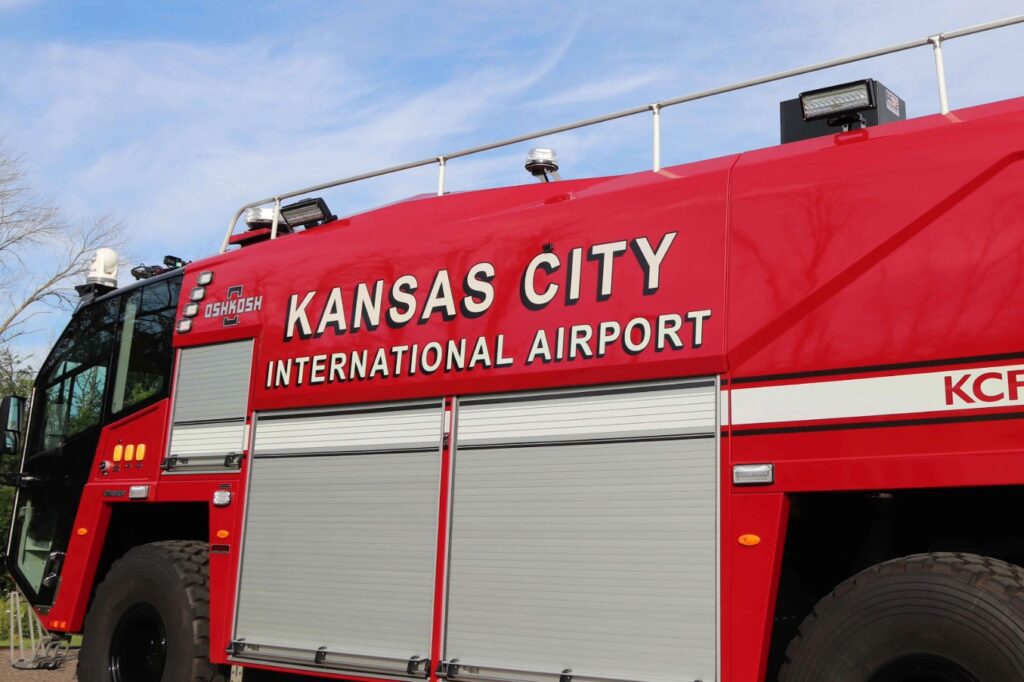
Picture of Oshkosh Striker Units - Photo by Oshkosh Airport Products - Fire Buyer

Kansas City Boosts Firefighting Fleet with Oshkosh Striker Units

Oshkosh Airport Products has announced the delivery of three advanced Striker Aircraft Rescue and Fire Fighting (ARFF) vehicles to Kansas City International Airport (MCI) in Kansas City, Missouri. This addition to the airport’s fleet demonstrates a major commitment to safety and ensuring top-tier emergency response performance. The new vehicles—two Striker 6×6 ARFF vehicles with Snozzle High Reach Extendable Turrets (HRETs) and one Striker 6×6 ARFF vehicle with a roof turret—are customised with state-of-the-art systems to support the airport’s busy operations and long-term infrastructure goals. “Kansas City International is investing in world-class protection and response capability for its travelers and airfield personnel,” said Brian Snodgrass, Regional Sales Manager at Oshkosh Airport Products. “These new Striker units bring both innovation and rugged reliability to their frontline defense against airfield emergencies.” Each vehicle is powered by a Scania DC16/V8, 670 HP Tier 4 Final engine and equipped with TAK-4 Independent Suspension, providing outstanding off-road maneuverability and operational control. Advanced onboard features include exterior water/foam level lights, 360-degree camera systems, in-cab EMS storage cabinets, digital video recorders, and Oshkosh’s MADAS Data Logger System. A winterisation system helps promote reliable performance in extreme temperatures. “These Striker ARFF vehicles are purpose-built to perform in demanding conditions and provide immediate, effective emergency response,” added Snodgrass. “Kansas City International prioritised reliability, innovation, and firefighter safety throughout the procurement process—and we are proud to deliver on every front.” Kansas City International Airport is located 15 miles northwest of downtown Kansas City in Platte County, Missouri and covers over 10,000 acres. The new ARFF units will be fully integrated into Kansas City International Airport’s emergency response protocols with support from Oshkosh Airport Products’ technical and training teams.

Kansas City Boosts Firefighting Fleet with Oshkosh Striker Units Read More »

IFE logo - Fire Buyer

James Lane Named International President of IFE

The Institution of Fire Engineers (IFE) has announced the appointment of James Lane CEng FIFireE as its international president for the 2025–2026 term. Lane, director of fire engineering at specialist consultancy Wintech, brings over 30 years of experience in the fire safety sector to the role. Lane began his career in 1990 and gained significant experience at Arup Fire, where he contributed to major projects such as the Sage entertainment venue in Gateshead. His subsequent roles included senior fire engineering positions at Tenos, SAFE Fire Consultants (now Ramboll Fire), Hilson Moran, and BB7. He joined Wintech in 2023, leading the consultancy’s fire engineering division. In addition to his professional roles, Lane has played a key part in developing several British Standards, including BS 9999, BS 9991, and BS 7974. He also contributed to the government-led review of Approved Document B, part of the Building Regulations for fire safety. A long-standing member of the IFE, Lane has served on its Board of Trustees for six years and on the Registrants Group, which oversees Chartered Engineer (CEng) applications. Speaking on his appointment, Lane said: “It’s a true privilege to serve as the international president of the IFE. I extend my sincere thanks to my predecessor, Trent Fearnley, whose efforts have strengthened our global ties. I aim to build on this strong foundation and continue driving the IFE forward.” Lane will be supported during his term by Mark Reilly CMIFireE, recently appointed international president elect. Reilly brings extensive leadership experience from the Australian Branch and the International General Assembly and is a past recipient of the Australian Fire Service Medal. In his inaugural address, Lane stressed the importance of integrity, transparency, and adherence to best practice in the fire engineering profession, affirming his commitment to advancing the IFE’s global mission.

James Lane Named International President of IFE Read More »

U.S. Firefighter Fatalities Drop to Historic Low - Fire Buyer

U.S. Firefighter Fatalities Drop to Historic Low

The National Fire Protection Association (NFPA) has reported a significant reduction in firefighter fatalities for 2024, with 62 on-duty deaths recorded—marking a 31% decrease from the 90 fatalities in 2023. This figure ties for the fourth lowest annual total since the study began in 1977. Of the 62 deaths, 11 occurred within 24 hours of duty due to medical conditions, while 51 fatalities happened during active duty. Volunteer firefighters accounted for 19 deaths, and 26 were career personnel. The remainder included federal and state forestry workers, contractors, and an industrial firefighter. The highest number of fatalities occurred among firefighters aged 40–49, with 20 deaths. Eleven firefighters aged 70 and older also died in the line of duty. Overexertion and strain remained the leading cause of death, responsible for 65% of fatalities—primarily due to fatal heart attacks. Traumatic injuries made up 32%, with other causes including heat stroke, electrocution, gunshot wounds, and drowning. Fatal incidents most commonly occurred during fire operations (32%), followed by training and non-fire incidents (both 18%). Station activities accounted for 16%, and the remainder occurred while travelling or performing inspections, medical responses, or other duties. While NFPA analysts Richard Campbell and Jay Petrillo noted the progress made through advancements in equipment, training, and safety protocols, they emphasised the ongoing challenge posed by the diverse risks firefighters face. Cardiac events continue to be a critical concern, underlining the need for sustained efforts in health monitoring and prevention. The report was supported by agencies including the CDC, U.S. Fire Administration, and Bureau of Indian Affairs.

U.S. Firefighter Fatalities Drop to Historic Low Read More »

FireProtect 2 Wins Technology Innovation of the Year - Fire Buyer

FireProtect 2 Wins Technology Innovation of the Year

Ajax Systems’ FireProtect 2 wireless detectors have been awarded Technology Innovation of the Year at the 2025 PSI Premier Awards, a respected recognition within the UK’s security sector. The awards, organised by Professional Security Installer (PSI) Magazine, are notable for being determined by votes from industry professionals, including installers and integrators. This gives particular weight to the win, as it reflects endorsement from those using the technology in the field. FireProtect 2 combines heat, smoke, and carbon monoxide detection in a next-generation wireless device tailored for residential use. Key features include a smoke chamber that requires no regular cleaning, dual-spectrum sensors that differentiate smoke from steam, and rapid-response thermistors optimised for synthetic materials. The system also integrates advanced software designed to minimise false alarms. Aaron Scott, UK Country Manager at Ajax Systems, welcomed the award as a sign of strong market support: “It is especially valuable for us to receive such high praise from specialists who work with our products daily. This award affirms our mission to deliver intelligent, high-quality fire safety solutions that empower professionals and raise the bar in the industry.” This recognition adds to Ajax Systems’ growing list of accolades, which already includes the Red Dot Award, ESX Innovation Award, and Security & Fire Excellence Awards. FireProtect 2’s ease of installation, modern compliance, and robust performance mark it as a notable advancement in home fire protection.

FireProtect 2 Wins Technology Innovation of the Year Read More »

FireAngel Achieves ISO 14001 Environmental Accreditation - Fire Buyer

FireAngel Achieves ISO 14001 Environmental Accreditation

FireAngel, a manufacturer of smoke, heat and carbon monoxide safety solutions, has achieved ISO 14001 certification from BSI, marking a key milestone in its commitment to environmental responsibility and sustainable business practices. The accreditation recognises the company’s implementation of a formal Environmental Management System (EMS), designed to reduce its environmental impact and support long-term sustainability goals. The ISO 14001 standard is internationally recognised and sets out the criteria for an effective EMS. It helps organisations improve their environmental performance through more efficient use of resources, waste reduction, and adherence to environmental regulations. Ross Bates, Quality Compliance Manager at FireAngel, said the accreditation represents a significant development for the company. “Achieving ISO 14001 accreditation with BSI is a proud moment for FireAngel and a significant step forward in championing a more sustainable future within the business,” he said. “FireAngel is just at the beginning of its Environmental Management System journey, and we will be continuously striving to reduce our carbon footprint and deliver meaningful change through a variety of initiatives to help protect the environment.” This latest certification adds to FireAngel’s existing ISO 9001 accreditation, which the company has maintained since 2004. The ISO 9001 standard ensures robust quality management systems are in place, focusing on consistent product quality and customer satisfaction across all operations. The dual certifications signal FireAngel’s integrated approach to quality and sustainability, reinforcing its commitment to high operational standards while addressing the environmental responsibilities of a modern manufacturing business.

FireAngel Achieves ISO 14001 Environmental Accreditation Read More »

Lithium-ion Batteries - Fire Buyer

UL Solutions Highlights Risks of Uncertified Lithium-ion Batteries

UL Solutions has issued a renewed safety warning over lithium-ion batteries used in personal electronic devices, cautioning that uncertified models may present a significant fire hazard. The organisation reported that some lithium-ion batteries found in mobile phones, tablets and laptops lack independent safety certification, increasing the risk of thermal runaway—a failure mode that can lead to smoke, fire or even explosion. Incidents involving uncertified batteries have been recorded in homes, vehicles and on commercial flights. “When consumers shop for devices that use lithium-ion batteries, it is critically important that they understand the safety hazards associated with faulty, malfunctioning or uncertified products,” said Sherry He, vice president and general manager of Consumer, Medical and Information Technologies at UL Solutions. “Consumers should always look for the UL Mark when buying batteries or devices.” A number of recent incidents have highlighted the issue. In May, a Southwest Airlines flight was forced to divert when a passenger’s battery charger emitted smoke. A day earlier, the airline had introduced a policy requiring portable battery packs to be visible during flights. Other reported cases include a phone fire in a Massachusetts home and a portable charger believed to be the cause of a fire that destroyed a South Korean aircraft. UL Solutions emphasised that third-party certification helps confirm that battery products meet established safety and performance standards. The organisation tests batteries across a range of chemistries and formats, including secondary and primary cells, and evaluates containment products for aviation use under its UL 5800 Standard. The company also pointed to developments in e-bike safety. Following the introduction of Local Law 39 in New York City—requiring certification to UL standards for e-mobility devices—early data suggests a reduction in fire-related casualties. UL Solutions has called for broader adoption of similar policies to help mitigate battery-related incidents.

UL Solutions Highlights Risks of Uncertified Lithium-ion Batteries Read More »

Picture of Cardiff Bay - Photo by Hotchiki Europe - Fire Buyer

Hochiki Europe Delivers Future‑Proof Fire Detection Solution in Cardiff Bay

Hochiki Europe has announced the successful installation of its ESP Addressable fire detection system as part of the ambitious conversion of the former Scott Harbour office building in Cardiff Bay. The 90,000 sq. ft, five‑storey former office complex has been transformed into 78 quality homes for the social housing market, alongside retail and commercial units—a key initiative led by Rightacres Property Company Limited. The mixed-use development required a fire safety solution capable of integrating residential, commercial and retail areas, each with different operational and aesthetic requirements. Hochiki Europe’s ESP Addressable range, installed by P.E.S. Fire and Security and specified by Huvo, was selected for its flexibility, scalability and open-protocol design. To accommodate evolving internal layouts and future commercial tenants, the system was designed to allow reconfiguration of alarm zones and sounder activation without rewiring. Critical safety features included specialised heat detectors for apartment entrances to safeguard main corridor escape routes, with direct operation of Automatic Opening Vents (AOVs). The ESP solution was integrated with Building Management Systems, sprinklers, pumps, access control, and solar PV, delivering a unified and coordinated fire strategy. Devices were selected to blend discreetly into the newly refurbished interiors, preserving the design intent of the high-profile conversion. Commenting on the project, P.E.S.’ Managing Director, Martin Truscott, said: “Hochiki’s ESP range made installation remarkably easy, especially when faced with the continual changes to the layout. This flexibility allowed us to adapt to the projects evolving requirements, without needing a complete redesign of the overall system wiring.” Designed to minimise disruption and deliver consistent performance in a busy environment, the system also reduces the incidence of false alarms, essential in a mixed‑use development with varied occupancy and use. By enabling the reuse of the existing structure, the project aligns with environmental, social and governance principles, maximising resource efficiency while delivering a safe and secure affordable housing project which enhances the fabric of Cardiff Bay. The Scott Harbour project demonstrates the adaptability of Hochiki Europe’s ESP Addressable range and overtime will also demonstrate its reliability. Through close collaboration, Hochiki provided a robust, flexible, and truly future-proof fire detection solution.

Hochiki Europe Delivers Future‑Proof Fire Detection Solution in Cardiff Bay Read More »

Scroll to Top